One of the most heavily marketed ingredients in testosterone supplements (a compound found in the majority of T-booster products on store shelves) has failed in every rigorous human clinical trial conducted on resistance-trained men.
It does work in rats. Researchers published promising early data from animal studies, the supplement industry moved quickly, and D-Aspartic Acid became a staple ingredient in products costing $50 to $80 a bottle. The human evidence arrived later. It has now been tested in multiple well-designed trials, and the result is consistent: no change in testosterone, no change in muscle mass, no change in strength.
The gap between how heavily a supplement is marketed and how thoroughly it has been tested is a pattern, not an accident. A 2019 review of 50 popular testosterone-boosting supplement products, published in the World Journal of Men’s Health by researchers at the Keck School of Medicine of USC, found that the majority of ingredients, including several appearing in more than 80% of commercial T-boosters, were supported by limited or no convincing human evidence.
The supplement industry had moved faster than the science. This article applies one filter to 10 popular testosterone supplements: what do the human trials actually show? Some have strong, replicated evidence in specific populations. Some work only under a condition most men haven’t tested for. Two fail completely. Knowing which is which is worth considerably more than the supplements themselves.
You have probably already noticed the shift before you named it. The workout that used to feel like maintenance now takes more out of you. The afternoon that used to coast now runs out. Those are real signals, and they are worth understanding clearly before spending anything on a fix.
Should You Test Your Testosterone First?
Testing before supplementing is not an inconvenient hurdle. It is the only way to know which category of supplement, if any, actually applies to you. Men in the “Conditionals” category below (zinc, vitamin D, magnesium, DHEA, boron) see strong results when deficient and zero results when they are not. Without a baseline, supplementing is guesswork.
A complete hormone panel typically includes total testosterone, free testosterone, SHBG (sex hormone-binding globulin), and vitamin D. Zinc and magnesium status can also be assessed. For timing: test between 7 and 10 AM, when testosterone peaks. Avoid testing after a night of poor sleep or a demanding training session (both temporarily suppress levels). Direct-to-consumer labs (Quest, LabCorp) offer testosterone testing for $50 to $150 without a physician referral.
Normal ranges vary by age and laboratory, but total testosterone below 300 ng/dL typically warrants medical evaluation. Free testosterone below 50 pg/mL in younger men or below 35 pg/mL in men over 45 is worth discussing with a physician.
Low Testosterone Symptoms Checklist
Check the symptoms you have experienced regularly over the past 3 months. Your score helps identify whether testing and supplementation are worth considering.
Quick Reference: 10 Testosterone Supplements Ranked by Evidence
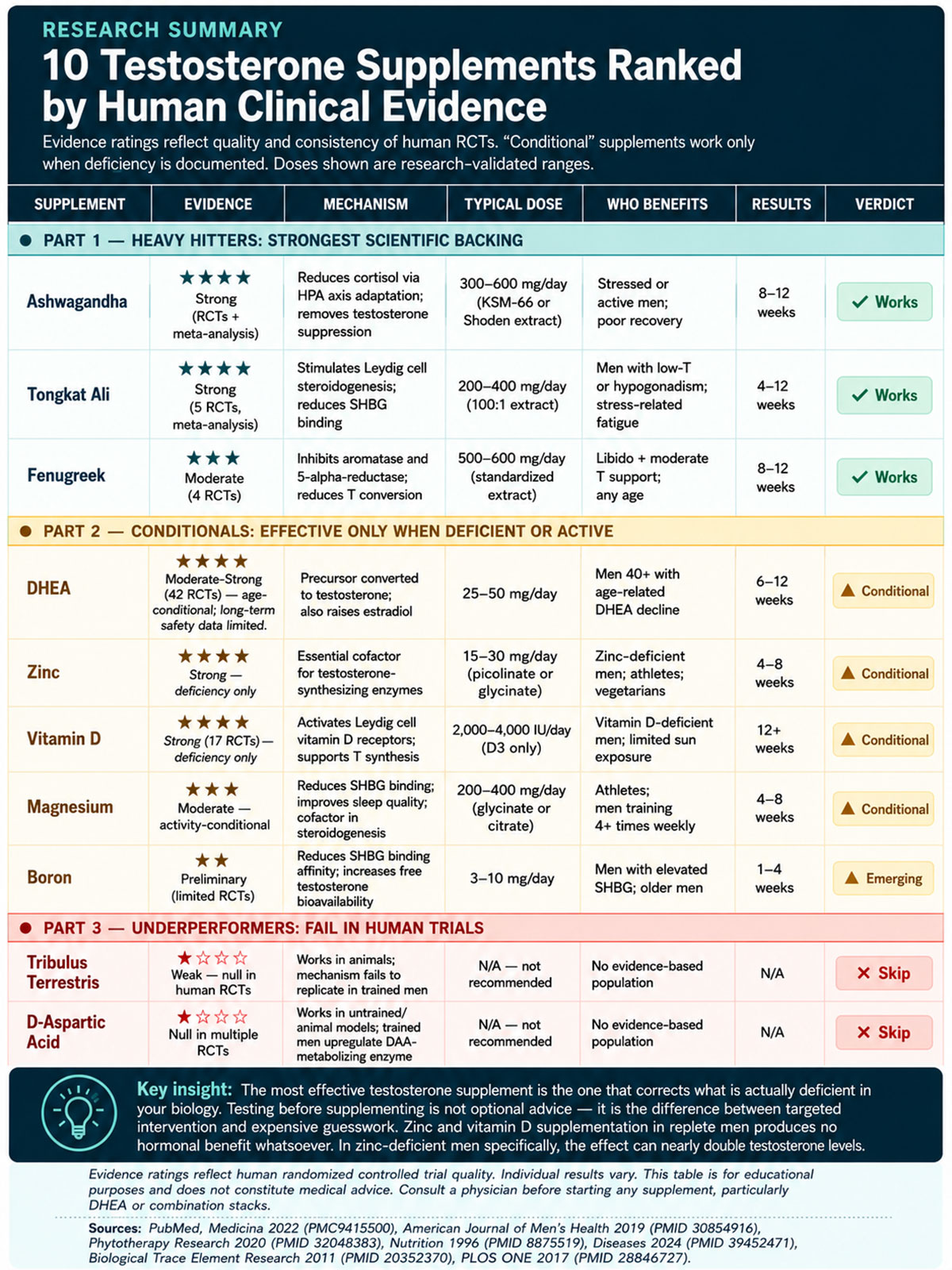
Part 1: The Heavy Hitters
These three supplements have the strongest and most consistent evidence in human clinical trials. None of them will replicate what TRT does. The testosterone increases are modest, measured in percentages rather than dramatic transformations. But for the right man, the effect is real and repeatable.
1. Ashwagandha: The Stress-Testosterone Connection
Cortisol and testosterone operate on a biological seesaw. When cortisol stays chronically elevated (as it does in men under persistent work pressure, sleep debt, or intense training without adequate recovery), the body suppresses testosterone production.
Ashwagandha is an adaptogenic herb that reduces activity in the hypothalamic-pituitary-adrenal axis, which governs the cortisol stress response. Lower cortisol means less suppression. Testosterone follows.
Two independent trials tell the story clearly. A 2019 study in the American Journal of Men’s Health tracked 57 overweight men aged 40 to 70 over eight weeks of ashwagandha supplementation. The ashwagandha group showed a 14.7% greater increase in testosterone compared to the placebo group, alongside an 18% greater increase in DHEA-S, a precursor hormone.
A separate 2015 trial in the Journal of the International Society of Sports Nutrition enrolled 57 resistance-trained men aged 18 to 50 and found a far larger absolute gain, 96.2 ng/dL in the ashwagandha group versus 18 ng/dL in the placebo group. A 2022 meta-analysis in Health Science Reports, pooling 12 studies and 615 participants, confirmed a statistically significant effect across the pooled data.
The candidate who benefits most is not the elite athlete at peak condition. It is the man who trains consistently but carries significant life stress into the gym, dealing with work pressure, disrupted sleep, and recovery that never quite catches up. Ashwagandha’s mechanism is indirect. Rather than stimulating testosterone production directly, it removes what is blocking it.
Eight weeks is the minimum timeframe for a meaningful assessment. Give it twelve before drawing a conclusion.
The research-backed dose is 300 to 600 mg of a standardized extract daily. Look for KSM-66 (root extract standardized to at least 5% withanolides) or Shoden (standardized to 35% withanolide glycosides, used in the AJMH trial).
Take with food to reduce the chance of stomach upset. A cycling approach of eight to twelve weeks on and two to four weeks off is reasonable, though long-term safety data for continuous use is limited. Ashwagandha can increase thyroid hormone levels. Men on thyroid medication should discuss this with their physician before starting.
2. Tongkat Ali: Targeted Support for Low-T Men
Most testosterone supplements make the same promise to every man regardless of baseline levels. Tongkat Ali is different in one specific way: the human evidence shows clearly that the men who start lower gain more, and the effect in men with normal testosterone is modest at best.
A 2022 systematic review and meta-analysis published in Medicina pooled data from five randomized controlled trials involving 232 men. The increase in total testosterone across the pooled studies was statistically significant (standardized mean difference of 1.352, p = 0.001).
In the hypogonadal subgroup (men with baseline testosterone below 300 ng/dL), the improvement was both statistically and clinically meaningful. In men with normal baseline levels, the trend was positive but fell short of statistical significance. Tongkat Ali appears to restore testosterone that has declined rather than push levels beyond a natural ceiling.
The active compounds are quassinoids, particularly eurycomanone, which stimulate Leydig cells in the testes to produce more testosterone. The herb also appears to reduce SHBG binding affinity, which frees a greater proportion of circulating testosterone for tissue use. This SHBG effect may partially explain why some men notice improvements in energy and strength even before total testosterone levels change substantially.
Standardized extracts matter here. Look for a product specifying a 100:1 or 200:1 concentration ratio, or a standardized eurycomanone content. The studied dose is 200 to 400 mg daily, taken in the morning. Tongkat Ali may lower blood glucose levels, which is worth monitoring in men managing diabetes or taking blood sugar medications.
3. Fenugreek: The Libido-Testosterone Pairing
Fenugreek seeds contain a class of compounds called furostanolic saponins (specifically protodioscin) that appear to block two enzymes (aromatase and 5-alpha-reductase) that convert testosterone into other hormones. By inhibiting these conversion pathways, fenugreek may allow more testosterone to remain as testosterone.
A 2020 meta-analysis in Phytotherapy Research found a significant effect on total serum testosterone across the four randomized controlled trials that met the inclusion criteria. Beyond the hormonal data, multiple trials have reported consistent improvements in libido and sexual function scores alongside the testosterone changes, a dual benefit that distinguishes fenugreek from supplements that affect only the hormonal measure.
The evidence base is moderate: only four trials met meta-analysis inclusion criteria, and effect sizes varied across studies, making strong dosage recommendations difficult to establish with precision.
What is clear is that standardization matters. Whole fenugreek seed powder does not reliably deliver the active saponin concentration used in clinical trials. A standardized extract specifying furostanolic saponin content is necessary for meaningful results.
On dose: 500 to 600 mg of a standardized extract daily, taken with the largest meal of the day. Fenugreek can affect blood sugar management. Men with diabetes should monitor glucose levels when starting supplementation. One predictable and harmless side effect: a maple syrup-like odor in sweat and urine.
Part 2: The Conditionals
The following five supplements share a property that most supplement marketing never communicates clearly: they work when you are deficient, and they do not work when you are not. That is a specific, well-characterized effect: strong results for the right person, nothing for everyone else.
There is also a second mechanism worth understanding here, separate from testosterone synthesis itself. SHBG (sex hormone-binding globulin) is a protein that binds to testosterone in the bloodstream, making it unavailable to tissues. Total testosterone measures what is circulating. Free testosterone measures what is actually usable.
Several of the following supplements improve testosterone by reducing SHBG binding, which increases free testosterone even when total levels stay flat. In older men, where SHBG tends to rise, this distinction is clinically meaningful.
4. DHEA: The Age-Related Hormone Precursor
DHEA (dehydroepiandrosterone) is a hormone produced by the adrenal glands that serves as a precursor to both testosterone and estrogen. The body converts it into both. DHEA production peaks in the mid-twenties and declines roughly 2% per year thereafter. A 55-year-old man typically has about half the DHEA of his 25-year-old self.
A 2020 meta-analysis in the journal Steroids pooled 42 randomized controlled trials and found that oral DHEA supplementation produced a statistically significant increase in testosterone across both sexes (weighted mean difference of 28.02 ng/dL). The increase in women was larger than in men, and younger adults saw more pronounced effects than older ones. Among men, the effect was most consistent in those with documented age-related DHEA decline.
The important caveat: DHEA converts to both testosterone and estradiol (estrogen). Supplementation raises both. In most men, this is manageable. In men already predisposed to estrogen sensitivity or with prostate concerns, the co-elevation of estradiol warrants a conversation with a physician before starting.
Regulatory note: DHEA is available over-the-counter in the United States but is prescription-only in Canada, the UK, and Australia. International readers should verify local status before purchasing.
Start at 25 mg daily rather than the commonly marketed 50 mg. Higher doses produce a larger estradiol increase without a proportionally larger testosterone benefit. Take in the morning to align with the body’s natural DHEA production rhythm. Reassess with blood work after 12 weeks, checking both testosterone and estradiol. Long-term safety data beyond 12 weeks is limited.
5. Zinc: The Deficiency Effect Is Dramatic
Zinc is a cofactor for the enzymes involved in testosterone synthesis. The research on what happens when you take it away is striking. A landmark 1996 study in Nutrition by Ananda Prasad and colleagues at Wayne State University restricted dietary zinc in four healthy young men for 20 weeks. Their testosterone fell from a mean of 39.9 nmol/L to 10.6 nmol/L, a 73% reduction from zinc restriction alone.
A separate cohort of nine zinc-deficient elderly men received supplementation for six months. Their testosterone increased from 8.3 nmol/L to 16.0 nmol/L. A 2023 systematic review in the Journal of Trace Elements in Medicine and Biology, examining 38 studies, confirmed the pattern: deficiency reliably suppresses testosterone, and supplementation in deficient men reliably restores it. In zinc-replete men, the same supplementation produces no hormonal change at all.
Who is most likely to be deficient? Men who train intensely lose zinc through sweat. Vegetarians absorb less zinc because plant-based zinc is bound to phytates that reduce absorption. Men over 60 often have reduced dietary intake. Frequent illness, slow wound healing, and reduced taste or smell sensitivity are clinical signs of deficiency worth noting before assuming all is fine.
Zinc is essential for testosterone production, but more is not better. Once the tank is full, adding more just spills over.
15 to 30 mg daily is the range. Do not exceed 40 mg regularly, as high doses impair copper absorption, which can cause secondary problems. Zinc picolinate and zinc glycinate absorb more efficiently than zinc oxide. Take with food to prevent nausea. If supplementing long-term, include 1 to 2 mg of copper daily to offset zinc’s competition for absorption sites.
6. Vitamin D: The Sunshine Hormone’s Role in Leydig Cells
Vitamin D receptors are present in Leydig cells, the primary sites of testosterone production in the testes. That anatomical detail prompted researchers to investigate whether vitamin D status influences testosterone output. It does. Conditionally.
A 2024 meta-analysis published in Diseases, covering 17 randomized controlled trials, found that vitamin D supplementation significantly increased total testosterone (weighted mean difference of 0.38 nmol/L). The high heterogeneity across studies, 67%, reflects the conditional nature of the effect.
An earlier rigorous trial, the Pilz et al. (2011) study published in Hormone and Metabolic Research, found a more pronounced effect: men supplementing with 3,332 IU daily for one year saw testosterone increase approximately 25% compared to placebo, but these participants started with documented deficiency below 20 ng/mL.
The pattern aligns with other conditionals: the benefit arrives when the deficiency is corrected. Men with adequate vitamin D levels at baseline show minimal hormonal response to supplementation. Men with low levels (common in northern latitudes, desk-based occupations, and winter months) may see meaningful gains.
Form matters more than dose: 2,000 to 4,000 IU of vitamin D3 (cholecalciferol, not D2) daily for maintenance. Take with a fat-containing meal. Vitamin D is fat-soluble and absorbs poorly without dietary fat. Men with confirmed severe deficiency may require a higher corrective dose initially. Retest blood vitamin D levels after 12 weeks to confirm you have reached the 40 to 60 ng/mL optimal range.
7. Magnesium: The Athlete’s Conditional
Magnesium’s relationship with testosterone runs through a different mechanism than zinc or vitamin D. Rather than directly influencing testosterone synthesis, magnesium appears to reduce SHBG’s binding affinity for testosterone, leaving more of the circulating testosterone free and biologically active. It also supports sleep quality, and testosterone production peaks during deep sleep stages.
Intensive exercise depletes magnesium through sweat and elevated metabolic demands. A 2011 study in Biological Trace Element Research by Vedat Cinar and colleagues compared sedentary men and taekwondo athletes, both supplemented with magnesium at 10 mg per kilogram of body weight daily for four weeks.
Both groups showed testosterone increases, with the athletes showing larger gains. The 10 mg/kg dose used in the trial is substantially higher than what most commercial supplements provide, a gap worth keeping in mind when interpreting the results.
For men who train four or more times weekly, magnesium is probably the most undersupported nutrient in their intake. For sedentary men with no particular magnesium depletion, the effect is real but modest.
Of the forms commercially available, magnesium glycinate and citrate absorb reliably. Magnesium oxide is widely available but absorbs poorly and frequently causes digestive upset. 200 to 400 mg daily, taken in the evening, is the studied range.
Magnesium glycinate taken 30 to 60 minutes before bed consistently shows sleep quality improvements in the research, which compounds the testosterone benefit. Athletes with high training volume may benefit from doses toward the upper end of that range.
8. Boron: Free Testosterone via SHBG Reduction
Boron is a trace mineral rarely discussed in testosterone research, but the mechanism behind it is worth understanding: it appears to reduce SHBG levels, which increases the fraction of testosterone that is free and biologically active. This is distinct from supplements that increase testosterone production. Boron improves testosterone availability.
A 2011 study by Mohammad Naghii and colleagues in the Journal of Trace Elements in Medicine and Biology found that men supplementing with 10 mg of boron daily for one week showed a 28.2% increase in free testosterone alongside a 39% reduction in estradiol.
A review in Integrative Medicine: A Clinician’s Journal noted consistent findings across observational and interventional research. The evidence base is preliminary. There are not enough large, long-duration RCTs to place boron alongside the stronger supplements above. But for men with high SHBG (common in older men and those taking certain medications), the SHBG-reduction mechanism is directly relevant, and the safety profile is favorable at dietary doses of 3 to 10 mg daily.
Dietary boron from nuts, raisins, prunes, and avocado contributes meaningfully. Men who eat these foods regularly may already be in the beneficial range. Supplemental boron is inexpensive. This is one supplement where starting with food sources first makes sense before adding a capsule.
Part 3: The Underperformers
These two supplements share something more specific than “weak evidence.” They share the same story. Both showed promising results in animal models. Both were marketed to humans on the basis of that pre-clinical data. Both have now failed in multiple well-designed human trials in exactly the population that would most plausibly benefit.
9. Tribulus Terrestris: The Animal Study Problem
Tribulus terrestris appears in roughly half of all commercial testosterone booster products. The marketing case is built on animal studies showing meaningful hormonal changes. The human evidence is not built on much of anything.
Multiple randomized controlled trials and systematic reviews have found that Tribulus does not significantly increase testosterone in men. Some studies have reported modest libido improvements, which may reflect a non-testosterone pathway, possibly serotonin or dopamine modulation, but the testosterone claim, which is the primary reason most men buy it, does not hold up when tested properly. The 2019 review of testosterone-boosting supplements published in the journal BJU International specifically named Tribulus among the ingredients with insufficient human evidence.
To be fair to the research: libido and testosterone are not the same thing, and a supplement that genuinely improves the former while not affecting the latter still does something real. But it does not do what most people are paying for.
10. D-Aspartic Acid: Two Trials, One Answer
D-Aspartic Acid is an amino acid that acts as a signaling molecule in the hypothalamus and pituitary gland. In untrained men and animal models, it reliably stimulates luteinizing hormone release, which in turn prompts testosterone production. Products reached shelves before the human trials did. The problem arrived when researchers tested it in the population most likely to actually buy it.
In resistance-trained men, the body appears to upregulate D-aspartate oxidase, an enzyme that metabolizes DAA, when supplementation is introduced. D-aspartate oxidase clears the signal before it can consistently stimulate testosterone production.
A 2015 JISSN study by Melville and colleagues found no testosterone change at 3 g/day over two weeks in trained men, and an actual reduction at 6 g/day. A follow-up 2017 trial in PLOS ONE by the same group extended the protocol to 12 weeks at 6 g/day. No change in testosterone. The reduction observed at two weeks appeared to resolve, but there was no positive effect either.
D-Aspartic Acid is a perfect demonstration of why animal or untrained population data cannot be directly applied to the men most likely to purchase a supplement. Save the money.
These well-known supplements align with the evidence discussed in this guide and come from established brands
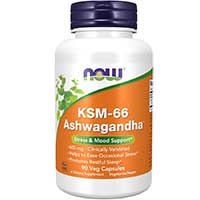
NOW Foods KSM-66u00ae Ashwagandha
The article identifies standardized KSM-66u00ae as one of the strongest options for men dealing with stress while supporting healthy testosterone production over time.
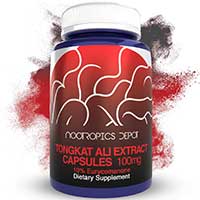
Nootropics Depot Tongkat Ali Extract
Tongkat Ali is ranked among the better-supported herbal options in the article, particularly for men with confirmed low testosterone who have already addressed lifestyle fundamentals.
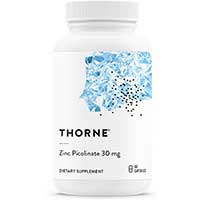
Thorne Zinc Picolinate 30 mg
The article recommends zinc only when deficiency is present or suspected, making a well-absorbed zinc picolinate supplement a logical choice.
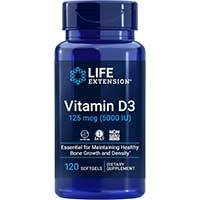
Life Extension Vitamin D3 5000 IU
Vitamin D is highlighted as an important nutrient to correct when blood work shows deficiency, and this product matches the article's emphasis on quality supplementation.
These are Amazon Associate affiliate links, which help support this site at no extra cost to you.
The Foundation: What Supplements Cannot Do Alone
The honest limit on what supplements can do is modest. The best of them produce testosterone increases measured in the low double-digit percentages. These are not optional lifestyle additions to a supplement stack. They are the primary determinants of hormonal health, and supplements operate within whatever floor these behaviors have established.
Sleep
The majority of daily testosterone production occurs during sleep, particularly during REM cycles. Men sleeping fewer than six hours per night show testosterone levels equivalent to those of men ten to fifteen years older, according to research published in the Journal of the American Medical Association.
One week of restricted sleep to five hours reduces testosterone by 10 to 15%. That finding puts sleep ahead of every supplement in this article by a meaningful margin. Not as one factor among several. The primary one.
Seven to nine hours is the target. Consistent sleep and wake times matter as much as total duration. The body’s hormonal release patterns are tied to circadian rhythm, not just sleep volume.
A bedroom temperature between 65 and 68 degrees Fahrenheit (18 to 20 degrees Celsius) supports better sleep quality in most people. Magnesium glycinate taken 30 to 60 minutes before bed addresses both sleep quality and testosterone through the same mechanism, at a cost of roughly $15 a month.
Chronic stress suppresses testosterone at the hypothalamic level through the same cortisol pathway that ashwagandha addresses. The supplement works on the mechanism. Recovery time built deliberately into the week addresses the cause. Both matter. The supplement cannot substitute for the behavior.
Training and Body Composition
Heavy compound lifts (squats, deadlifts, bench press, rows) trigger acute testosterone spikes and signal long-term hormonal adaptation. The body responds to significant mechanical load by maintaining higher baseline hormone levels to support recovery. Two to four sessions weekly, each kept to 45 to 60 minutes, is the training dose the research supports. Beyond 90 minutes, cortisol increases offset the testosterone benefit.
Body fat is a hormonal variable. Adipose tissue contains aromatase, the enzyme that converts testosterone to estrogen. Men above 25% body fat produce more estrogen relative to testosterone than men in the 12 to 18% range. Losing 10% of body weight can increase testosterone by 50 to 100 ng/dL in overweight men, an effect larger than any supplement in this article produces.
Gradual fat loss at 0.5 to 1% of body weight per week, combined with resistance training to preserve muscle, is the approach the research supports. Caloric restriction below 1,500 daily calories signals metabolic stress and suppresses testosterone production, which is why crash dieting reliably fails on both counts.
Nutrition and Recovery
Testosterone is synthesized from cholesterol, which means very low-fat diets (below 20% of total calories from fat) undercut production at the substrate level. Adequate dietary fat from olive oil, fatty fish, eggs, and avocado supports the hormonal synthesis chain. Protein at 0.7 to 1 gram per pound of body weight daily supports muscle tissue and training performance.
Zinc-rich foods (oysters most prominently, followed by red meat and pumpkin seeds) and magnesium-rich foods such as dark leafy greens and nuts address the conditional nutrient deficiencies before supplementation becomes necessary.
Sample Daily Protocols
Protocol 1: The Stressed Professional
For the stressed professional, a high-demand work environment, moderate exercise, chronic fatigue, and low motivation are the primary complaints. Ashwagandha addresses the cortisol mechanism directly. Magnesium glycinate at night supports both sleep quality and recovery.
Three resistance training sessions weekly, 45 to 60 minutes, is enough stimulus without adding to the cortisol load. The single highest-impact change for this profile is often sleep. Getting from six hours to eight does more for testosterone than any supplement on this list.
Protocol 2: The Low-T Athlete
For the low-T athlete: blood work shows total testosterone in the low-normal range (below 400 ng/dL), regular training, recovery not keeping up. Tongkat Ali directly targets the restoration mechanism in hypogonadal or low-normal men.
Zinc and magnesium replace what intense training depletes through sweat. Athletes typically need eight to nine hours of sleep. That is not optional in this profile. It is where most of the testosterone is actually made.
Protocol 3: Deficiency Correction
For blood work showing documented deficiencies in vitamin D, zinc, or magnesium, alongside low-normal testosterone. This is the profile where the evidence is most predictable, and the cost of supplementation is lowest.
Correct the deficiencies first. The supplement stack is the three deficient nutrients at corrective doses: zinc at 15 to 30 mg daily, vitamin D3 at 2,000 to 4,000 IU, and magnesium glycinate at 300 to 400 mg nightly. Combine with resistance training three times weekly and sun exposure where possible.
Retest after twelve weeks. In many men, correcting multiple simultaneous deficiencies produces a testosterone response larger than any individual supplement would suggest, because the effects are additive rather than overlapping.
Each nutrient addresses a different point in the hormonal synthesis chain. The combined correction frequently moves low-normal testosterone into a normal range without a single herbal supplement involved. If levels remain low after deficiency correction, that is the point at which Tongkat Ali or ashwagandha becomes a logical second step.
When Supplements Are Not Enough
Certain symptoms suggest a hormonal issue that supplements cannot address. If multiple of the following are present, see an endocrinologist rather than extending the supplementation experiment:
Total testosterone consistently below 300 ng/dL on blood tests taken in the morning. Loss of body or facial hair that was previously normal. Development of breast tissue (gynecomastia). Testicular changes in size or texture.
Erectile dysfunction that does not respond to lifestyle changes after three months of consistent effort. Extreme fatigue despite eight or more hours of sleep. Rapid, unexplained fat accumulation around the midsection despite controlled nutrition.
These symptoms can indicate hypogonadism, pituitary dysfunction, or thyroid disorders. TRT may be appropriate for men with clinically confirmed low testosterone and persistent symptoms. That is a decision made with a physician and based on blood work, not on a supplement response test.
One emerging area worth noting: GLP-1 receptor agonists (semaglutide, tirzepatide) are producing dramatic fat loss in many men, and fat loss directly reduces aromatase activity, which increases testosterone.
Men who have lost significant body weight on GLP-1 drugs frequently report improvements in testosterone levels as a secondary effect. The mechanism is the same aromatase pathway described in the body composition section above. The drug itself has no direct hormonal effect.
The Real Changes
The men with the healthiest testosterone levels in the research are not those taking the most supplements. They are sleeping adequately, training with heavy compound movements, carrying a body fat percentage that keeps aromatase activity low, and managing stress with something more durable than a pill. Supplements are adjustments made on top of a foundation that is already working.
That said, for a man who has built the foundation and whose blood work shows a specific deficiency or low-normal testosterone, the evidence above identifies real options. Ashwagandha and tongkat ali have the strongest evidence base for direct hormonal support. Zinc, vitamin D, and magnesium correct deficiencies that are far more common than most men realize. DHEA and boron offer meaningful options for older men whose hormonal picture has shifted with age. The two underperformers, D-Aspartic Acid and Tribulus Terrestris, can be removed from consideration entirely.
The supplement that does the most for testosterone, in most men, is the one that corrects what is actually deficient. That requires testing. Everything after that is a much cleaner decision.
FAQs
Can I take multiple supplements together?
Yes, with a strategic limit. Start with one supplement for eight to twelve weeks and track energy, strength, and mood before adding a second. This approach tells you what is actually working. Effective combinations include ashwagandha with magnesium (stress and sleep), or tongkat ali with zinc for men with low T who also train intensely. Stacking more than three supplements simultaneously creates confusion about attribution and increases expense without proportionally increasing benefit.
How long before I notice results?
The honest answer is longer than most marketing suggests. Ashwagandha studies run eight to twelve weeks before measuring outcomes. Tongkat Ali effects in the hypogonadal trials became measurable at four weeks but continued improving through twelve. Zinc and magnesium deficiency correction can show hormonal changes within four to eight weeks. Vitamin D correction takes twelve weeks or longer to move blood levels meaningfully. Energy and mood changes are often noticed before testosterone blood work shows movement. Those subjective improvements are real data.
What about testosterone replacement therapy instead?
TRT is medical testosterone, prescribed, pharmaceutical-grade, and administered by injection, gel, patch, or oral capsule. It reliably moves testosterone to therapeutic levels. The tradeoffs include testicular atrophy (the testes reduce production when external testosterone is supplied), reduced fertility, potential cardiovascular effects with long-term use, and lifetime dependency if started.
The established protocol is to exhaust lifestyle and supplementation options first for men with low-normal testosterone and mild symptoms, reserving TRT for men with confirmed clinical hypogonadism (below 300 ng/dL on multiple tests) and significant quality-of-life impact. That conversation belongs with an endocrinologist, not a supplement retailer.
Do these supplements work for building muscle?
The testosterone increases produced by the supplements above, typically 10 to 20% in the right population, are not large enough to produce the muscle-building effects that pharmacological testosterone does. They may provide a modest edge in recovery, strength progression, and training adaptation over time, particularly for men whose testosterone was suppressed by deficiency or chronic stress. Ninety percent of muscle-building outcomes come from training consistency, progressive overload, adequate protein, and recovery. Supplements operate at the margin of that foundation.
At what age should men start paying attention to testosterone?
Testosterone declines roughly 1% per year after age 30 in most men, a slow and gradual change that rarely produces symptoms before the mid-to-late thirties in men without other contributing factors. Men over 40 are reasonable candidates for baseline testing even without symptoms, simply to establish a reference point for future comparison.
Men who notice symptoms in their twenties should get tested, but may find the answer less satisfying than the supplement marketing implied. Age-related testosterone decline is unlikely to be the cause at 25. The more probable explanations are sleep, stress, training recovery, and nutritional gaps. Testing still makes sense. The results often do not confirm what most people were hoping they would.