After 45, your arms change. It’s biology, not laziness. But the good news is that you can do something about it. And you don’t need a gym membership or fancy equipment to start seeing results.
Why Arms Change After 45: The Science Behind the Sag
The Muscle Loss Factor
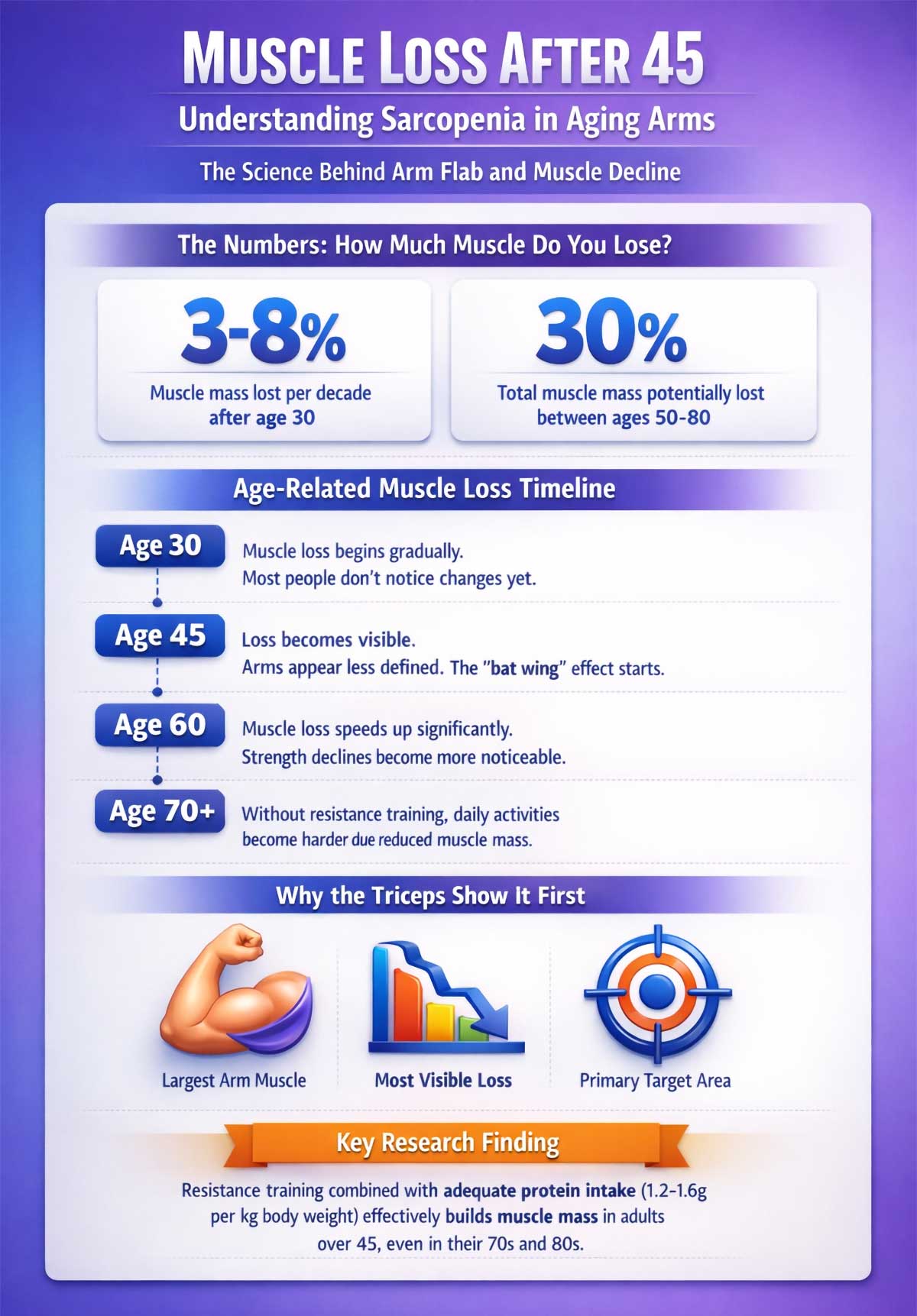
Your body starts losing muscle around age 30. By 45, that process speeds up. Scientists call it sarcopenia. It sounds complicated, but it just means your muscles get smaller over time.
Here’s what happens: you lose 3-8% of your muscle mass each decade. After 60, that number jumps even higher. The triceps — that’s the back of your upper arm — shows this loss first. Why? Because it’s the biggest muscle in your arm.
When your triceps shrink, your arms look deflated. The skin that used to stretch over firm muscle now hangs looser. That’s the “bat wing” effect so many people complain about.
It’s Not Just Fat
Many people think sagging arms are all about extra fat. That’s only part of the story. Three things create that saggy look:
Lost muscle. Your triceps get smaller, leaving less structure under the skin.
Body fat. Even if your weight stays the same, fat often shifts to different spots as you age.
Skin changes. Your skin loses some bounce. It doesn’t snap back quite like it used to.
You can’t “spot reduce” fat from just your arms. That’s a myth. But you can build the muscle that creates a firmer base. When you strengthen your triceps, you fill out that space. Your arms look and feel more toned.
Why This Matters Now
The best time to start was 10 years ago. The second best time? Today. Muscle responds to training at any age. Studies show that even people in their 70s and 80s can build strength and muscle mass.
You’re not fighting a losing battle. You’re working with your body’s natural ability to adapt and grow stronger.
What About Loose Skin?
If you’ve lost a lot of weight or your skin has lost a lot of elasticity, exercise alone may not get rid of all loose skin on your arms. Building muscle underneath will improve how things look, but some looseness may remain. That’s normal, especially after major weight loss or with age.
Focus on what you can control: getting stronger, building muscle, and improving your overall body makeup. For some people, those changes are big. For others, they’re smaller. Both outcomes are valuable.
Before You Start
If you have shoulder, elbow, or wrist pain, high blood pressure, weak bones, or any medical condition, check with your doctor before starting these exercises. If you feel sharp pain (different from muscle fatigue) during any movement, stop and talk to a professional.
The 5-Move Arm-Strengthening Circuit
These moves target your triceps from different angles. Each one builds strength without needing weights, machines, or a gym. You can do all five in your living room in about 10 minutes.
1: Chair Dips — Your Foundation Builder
What it works: Triceps, front shoulders, and chest.
Why it works: This move puts serious load on your triceps. Your own body weight creates the resistance. Research shows that resistance training builds muscle mass in older adults when paired with enough protein.
How to do it:
Sit on the edge of a sturdy chair. Place your hands next to your hips, fingers pointing forward. Slide your bottom off the chair. Keep your back close to the seat.
Bend your elbows to lower yourself. Stop when your upper arms are about parallel to the floor. Push back up. That’s one rep.
Start with bent knees and feet close to the chair if you’re new to this exercise. As you get stronger, extend your legs farther out.
Do 5-8 reps to start. Work up to 12-15 as you get stronger.
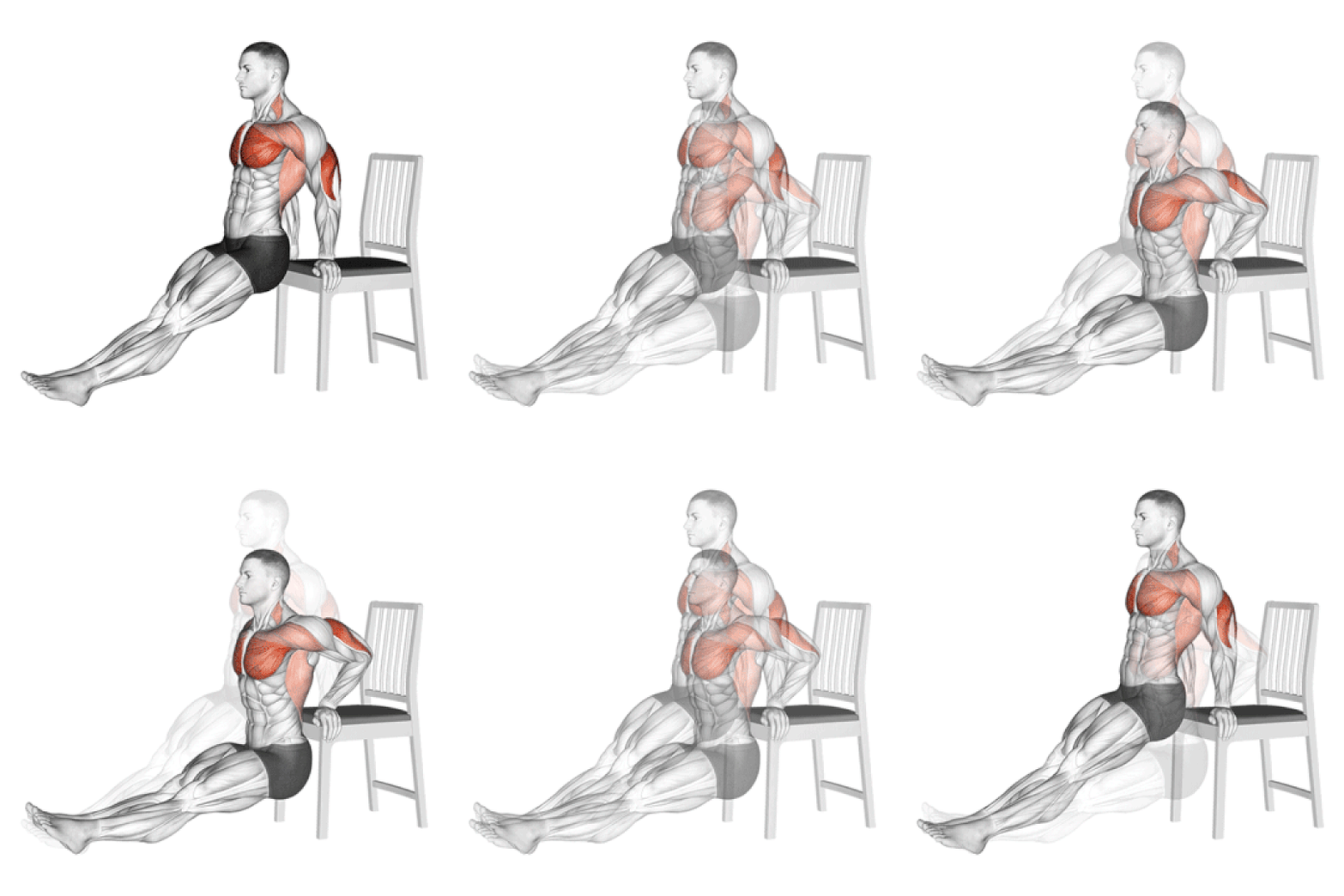
Safety tip: Keep your back near the chair. Don’t drift forward. This protects your shoulders.
2: Close-Grip Wall Push-Ups — The Joint-Friendly Option
What it works: Triceps, chest, and front shoulders.
Why it works: When you put your hands close together, your triceps do more work. Using a wall instead of the floor cuts the load. This makes it doable for most fitness levels while still building strength.
How to do it:
Stand an arm’s length from a wall. Place your hands on the wall about 6-8 inches apart (closer than shoulder-width). Step back a bit so you’re leaning in.
Bend your elbows and lower your chest toward the wall. Keep your elbows close to your sides. Push back to start. That’s one rep.
Do 10-15 reps. Too easy? Step farther back. Too hard? Step closer.
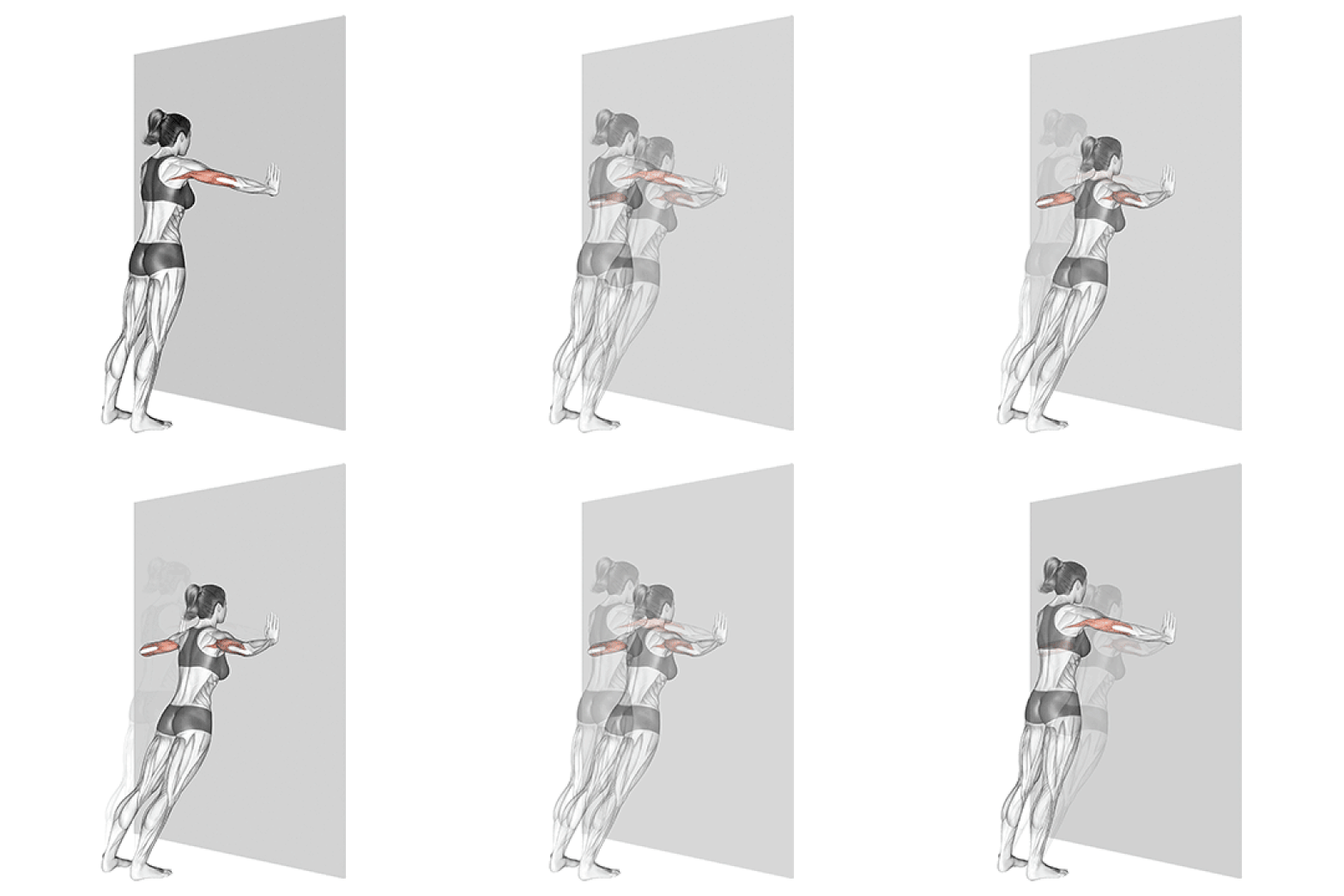
The key: Control the movement. Don’t rush. You want your muscles under tension for 2-3 seconds on the way down.
3: Overhead Towel Extension — Targeting the Back of Your Arm
What it works: The long head of your triceps — the part that creates the most visible shape on the back of your arm.
Why it works: Lifting your arms overhead puts this muscle in a stretched position. That stretch creates extra growth stimulus. When you build this part of your triceps, you fill out the area where sagging shows most.
How to do it:
Grab a hand towel. Hold one end in each hand. Raise your arms straight overhead. Keep your elbows close to your ears.
Bend your elbows to lower the towel behind your head. Feel the stretch in the back of your arms. Straighten your elbows to raise the towel back up. That’s one rep.
Start with 10 reps. The towel adds just a bit of resistance and keeps your hands stable.
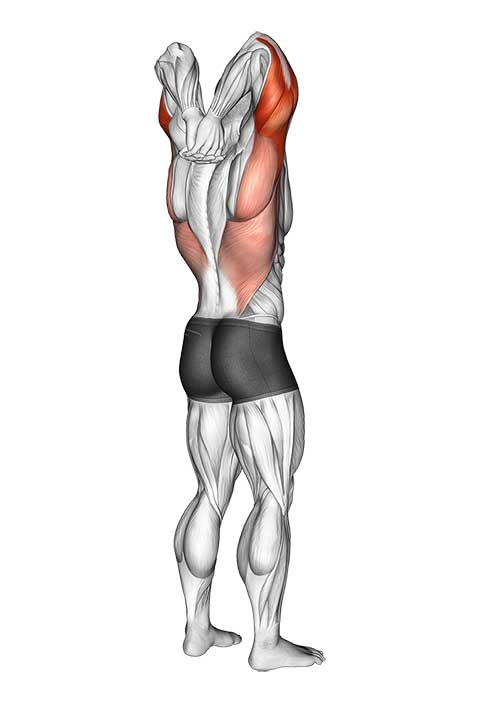
Form check: Don’t let your elbows flare out to the sides. Keep them pointing forward. If you have shoulder issues, skip this one or keep the movement range smaller.
Move 4: Slow Arm Circles — Time Under Tension
What it works: All three parts of your shoulders, triceps as stabilizers, and your upper back.
Why it works: This isn’t about speed. It’s about keeping your muscles working for a longer time. That builds endurance. It also improves how your brain controls these muscles. Better control means better tone.
How to do it:
Stand with your arms out to the sides at shoulder height. Your palms can face down or forward — try both to see which feels better.
Make small circles forward. Count to 10. Then make small circles backward for another 10 counts.
The trick? Move slowly. Really slowly. Each circle should take 3-4 seconds. Your arms should start to burn a bit. That’s good.
Work up to 20 seconds in each direction.
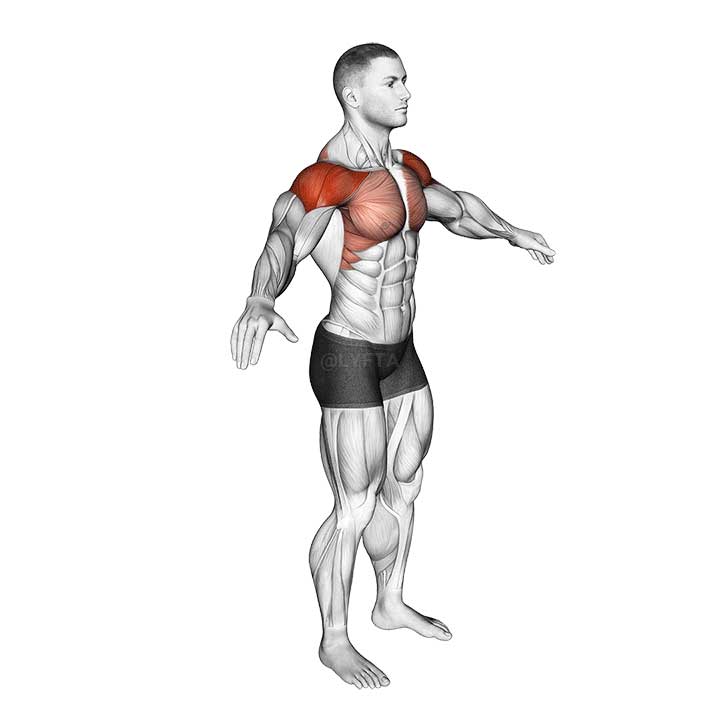
What you’ll feel: Your shoulders and the back of your arms will fatigue. That burn means your muscles are working.
Move 5: Isometric Wall Press — The Joint-Safe Finisher
What it works: Triceps and core stability.
Why it works: Holding still sounds easy. It’s not. Static holds build strength without moving your joints back and forth. This makes them perfect if you have wrist or elbow sensitivity. Research confirms that isometric training increases muscle strength and improves how your nerves activate your muscles.
How to do it:
Face a wall. Place your palms flat against it at shoulder height, elbows bent. Push hard into the wall like you’re trying to push it away. Your arms won’t move, but your triceps will work.
Hold for 10-20 seconds. Breathe normally throughout — don’t hold your breath. Rest. Repeat 2-3 times.
Mental cue: Push as hard as you can. You should feel your triceps tighten and shake a bit.
How to Get Results: The After-45 Protocol
Doing the moves is step one. Making them work requires a few more pieces.
Eat Enough Protein
Your muscles need protein to repair and grow. After 45, you need more than you might think. The standard advice — about 0.8 grams per kilogram of body weight — isn’t enough when you’re trying to build muscle.
Aim for 1.2-1.6 grams per kilogram instead. For a 150-pound person (68 kg), that’s about 82-109 grams of protein per day.
If these five exercises are your only resistance training, aim for the middle of this range. If you’re doing other strength work too, target the higher end.
Spread it out. Your body uses protein better when you eat some at each meal. Think eggs at breakfast, chicken or beans at lunch, and fish or tofu at dinner.
Rest Between Sessions
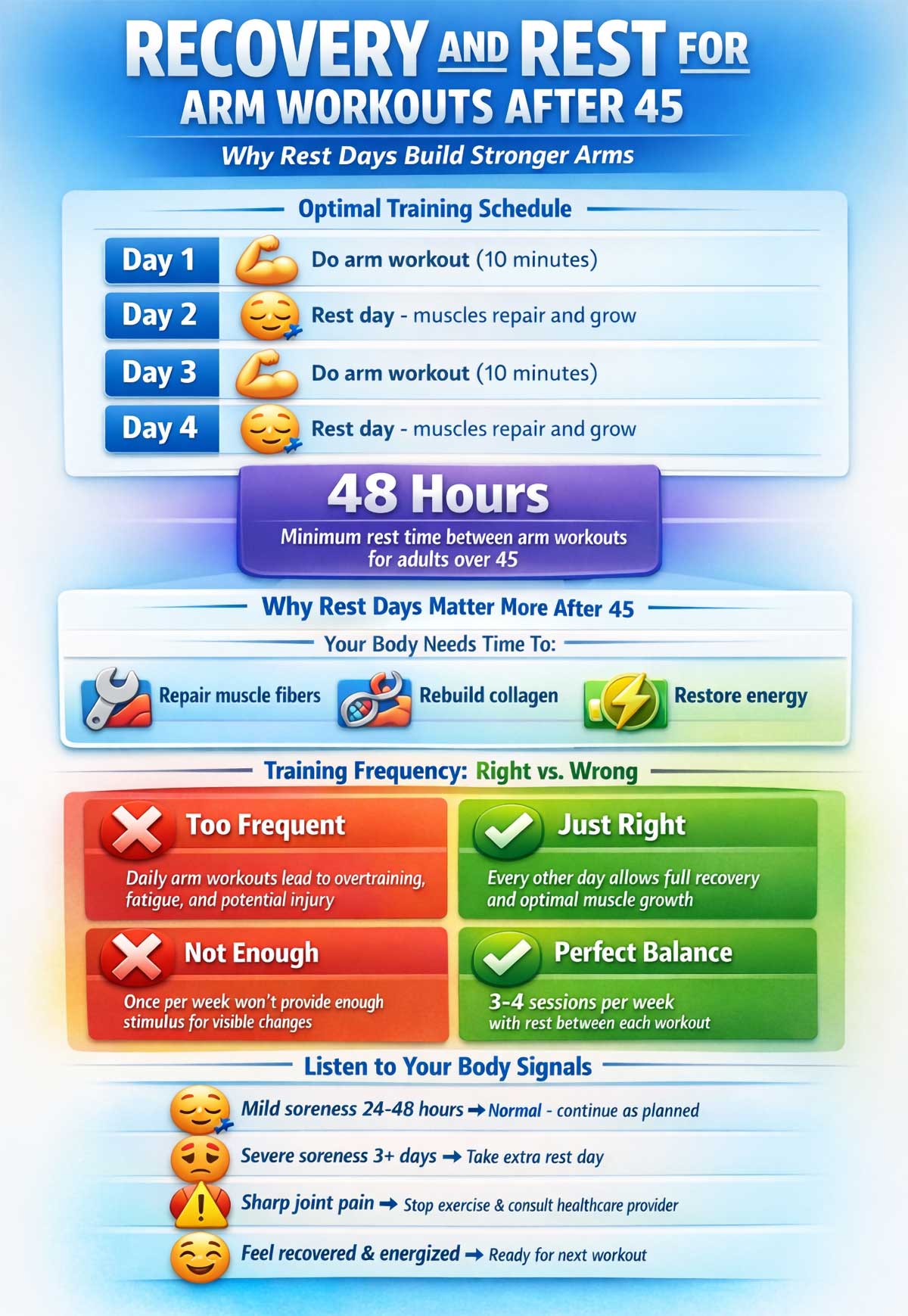
You don’t build muscle during your workout. You build it during rest. After 45, your body needs a bit more time to repair.
Do this routine every other day as a starting point. That gives you 48 hours between sessions. Your muscles and connective tissues need that time. Your collagen — the protein that keeps tendons strong — needs time to rebuild too.
If you’re very sore for more than 48 hours, take an extra rest day. As you adapt, you may find you can train more often. Listen to your body — ongoing soreness or joint pain means you need more recovery time.
If your arms feel sore, that’s normal. If they feel sharp pain, that’s different. Rest longer if needed.
Stay Hydrated
Staying well-hydrated supports overall health and may help skin maintain some of its bounce. Aim for 8 glasses a day as a baseline, adjusting for how active you are and the weather.
While proper hydration won’t reverse skin aging, being dry all the time can make skin look more wrinkled and less plump.
Be Patient and Consistent
You won’t see major changes in a week. That’s OK. Muscle takes time to grow, especially as we get older.
Give it 4-6 weeks of steady work. That’s when most people start noticing their arms feel firmer. By 12 weeks of steady training with increasing challenge, many people notice visual changes — though the timeline varies based on your starting point, nutrition, and overall activity level.
Make It Harder Over Time
True progress means the last 2-3 reps should feel challenging. If you can easily do 15 reps, it’s time to make the exercise harder.
Try these options:
Move to a lower surface for dips. Step farther from the wall for push-ups. Add very light hand weights for extensions. Do two full rounds of the circuit instead of one.
What to Expect
Let’s be real. These moves will make your arms stronger. They’ll help build muscle that fills out your arms. But they won’t magically erase all signs of aging or remove every bit of jiggle.
What they will do:
Build functional strength. You’ll find it easier to lift groceries, push yourself up from the floor, or carry your grandkids.
Improve muscle tone. Your arms will look more defined. They’ll feel firmer when you touch them.
Boost your confidence. There’s something powerful about getting stronger. It changes how you feel in your own skin.
If you want to reduce the fat on your arms, you’ll need to work on overall fat loss. That means eating in a slight calorie deficit and staying active. These arm moves will help, but they work best as part of a bigger picture.
Your 10-Minute Every-Other-Day Commitment
Here’s your simple plan. Do all 5 moves in order:
Chair Dips: 8-12 reps Wall Push-Ups: 10-15 reps Towel Extensions: 10-12 reps Slow Arm Circles: 20 seconds forward, 20 seconds back Wall Press: Hold for 15-20 seconds, repeat twice
Rest 30-60 seconds between moves. The whole thing takes about 10 minutes. Do it every other day.
As you get stronger, add more reps. Or do two full rounds of the circuit. Or hold positions longer. Keep challenging yourself.
Conclusion
You don’t need special equipment. You don’t need a lot of time. You just need to start.
Your arms can get stronger. They can look better. But only if you take that first step.
Pick one move from this list. Do it right now. Just one. See how it feels. Then come back in two days and try the whole circuit.
Small steps add up. Ten minutes every other day adds up. Being steady beats being perfect every single time.