Somewhere around thirty, muscle loss slowly begins, and nobody feels it happen. By fifty, it has a clinical name: sarcopenia. The fix turns out to require far less time than most people assume.
Twelve minutes, three days a week, done with nothing more than a chair and a wall, is enough to move the needle on strength that most people write off as gone for good. That claim rests on a small but growing body of research into how older adults respond to short, structured resistance work, and the results complicate a lot of standard fitness advice built around long gym sessions.
What Muscle Loss After 50 Actually Looks Like
The medical term is sarcopenia: the gradual loss of skeletal muscle mass, strength, and function that comes with age. It typically starts in a person’s thirties and accelerates from there.
Climbing a flight of stairs, carrying a full laundry basket, rising from a low chair. These get harder for a specific, measurable reason. A widely cited review of muscle aging research found that adults lose roughly 3 to 8 percent of muscle mass per decade after 30, with the rate climbing higher after 60.
Harvard Health Publishing puts the scale in lifetime terms: the average man loses about 30 percent of his muscle mass over a lifetime. Women face a comparable trajectory, often steeper after menopause, when hormonal shifts hasten the decline.
How Fast It Adds Up
Broken down by decade, the pattern is stark.
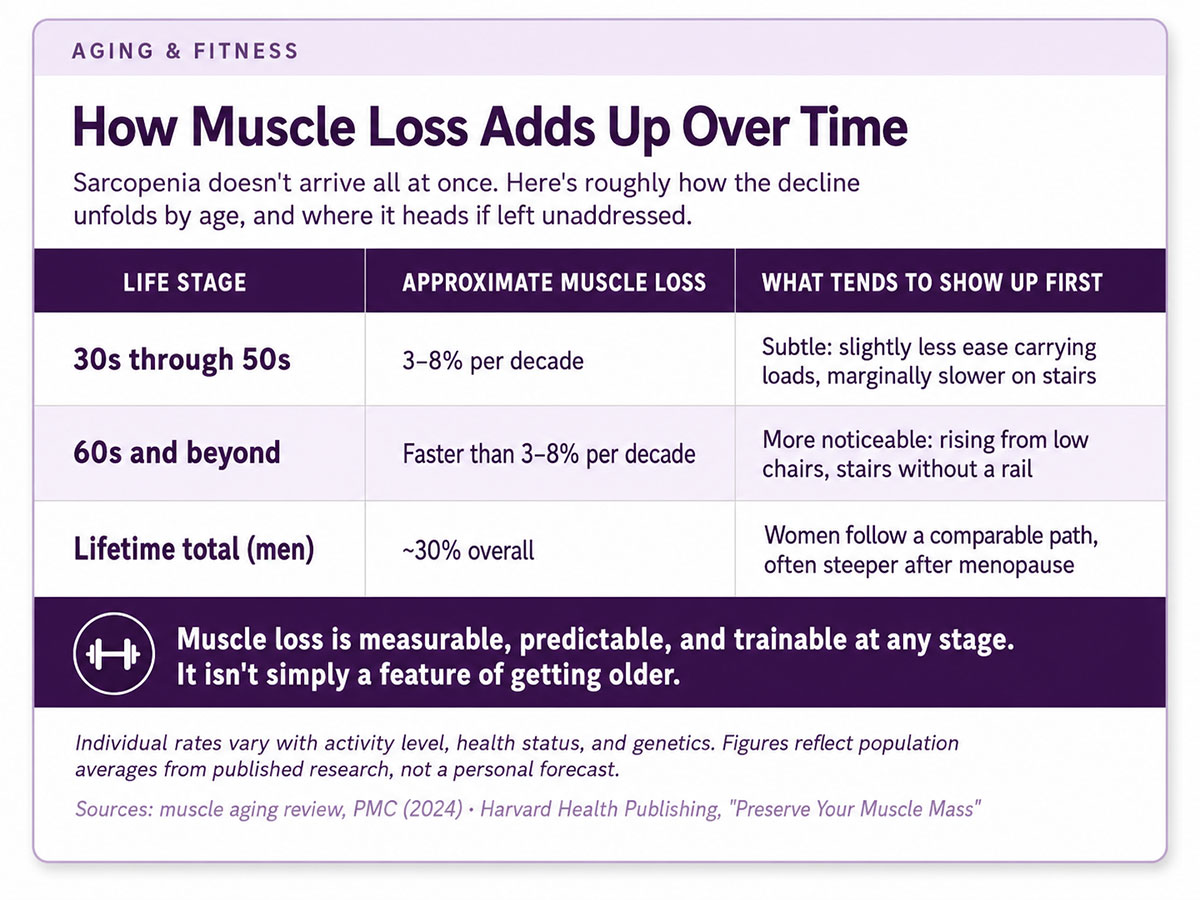
That climb rarely feels linear from the inside. It accelerates hardest exactly when most people have stopped doing anything to counter it, which is part of why sarcopenia so often gets mistaken for an inevitable feature of aging rather than a trainable one.
Why Long Gym Sessions Aren’t the Only Answer
Recovery slows with age. Joints need more protection. Hormones respond better to short bursts of real effort than to long stretches of moderate activity.
Think of the muscle-building system like a car engine. A hard, quick sprint gets it running efficiently. A long, slow drive mostly just wears down the parts without much benefit to show for it.
Why Short, Structured Sessions Work
Twelve-minute sessions work because of intensity, not duration. That’s the effective mechanism, and it runs against a lot of assumptions about what a real workout requires.
Progressive overload, the process of pushing a muscle hard enough that it adapts by building more protein, happens faster during short, difficult efforts than during long, easy ones.
Muscles don’t track a clock. They track effort. A tough 45-second squat challenges the body more than ten easy minutes of gentle movement.
After 50, the natural production of the hormones that build muscle and burn fat declines. Brief, intense effort counters that dip more effectively than gentle, sustained activity does. Growth hormone and testosterone both rise during short, hard workouts, which helps explain why intensity keeps producing results even as duration shrinks.
Manne Godhe, a researcher at the Swedish School of Sport and Health Sciences who has spent years building field-based fitness tests for older adults, led a study published in Geriatrics in 2025. His team tracked 265 adults, most in their seventies, through an eight-week program of twice-weekly sessions combining aerobic and strength work.
The gains were real. Trunk strength and lower-body endurance both improved meaningfully within eight weeks, and some of those gains persisted nine months later without any further structured training.
One result didn’t fit the tidy narrative. Balance scores didn’t move at all, in either direction, across the full study. That’s worth consideration.
Strength and balance often get bundled together in fitness messaging, as if the same twelve minutes automatically resolve both. Godhe’s data suggests otherwise.
This kind of routine builds strength reliably. Balance appears to need its own, separate work, which is why the modifications below treat the two as different goals.
For years, the assumption was that three sessions a week beat two. A 2012 comparison of resistance training frequency in older adults found closely matched strength gains between twice-weekly and three-times-weekly groups. That result undercut the old assumption on its own.
A 2024 trial published in Scientific Reports pushed the finding further: even once-weekly eccentric training produced strength gains similar to training twice a week over twelve weeks.
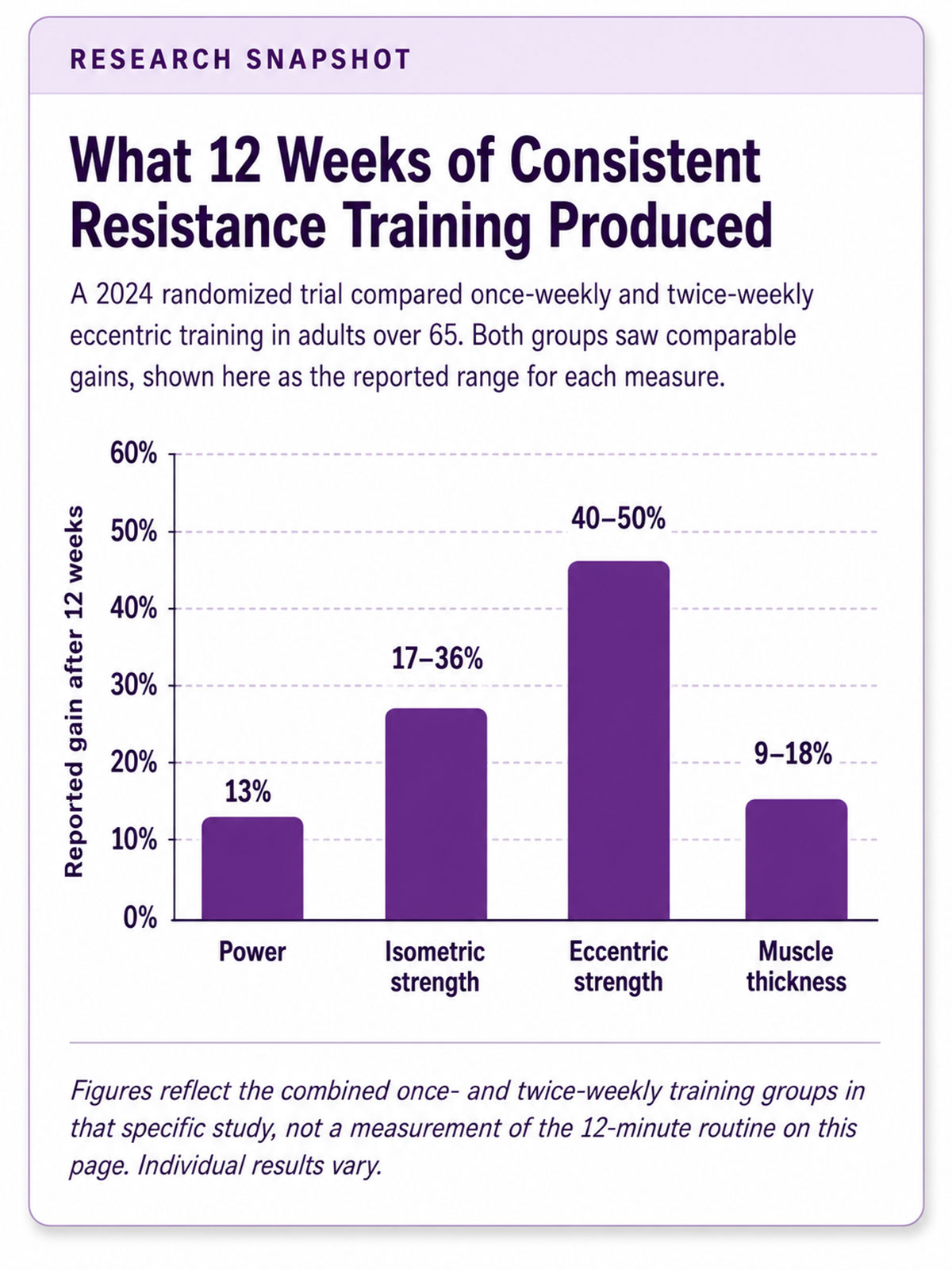
By this point, a pattern is hard to miss. A 2024 systematic review in the Journal of Clinical Medicine looked specifically at high-intensity interval approaches in older adults with sarcopenia and found them to outperform steadier, moderate-effort training for rebuilding muscle function. The routine below isn’t classic HIIT, but it borrows the same underlying principle: short, hard effort beats long, easy effort for this specific population.
Resistance exercise, with or without added nutrition support, ranks among the most effective interventions for improving quality of life in adults with sarcopenia, according to a 2023 network meta-analysis in the Journal of Cachexia, Sarcopenia and Muscle that pooled 42 randomized trials. The evidence held at a high or moderate certainty level, a stronger standard than most single-study claims can meet.
The benefits extend past the muscle itself. A 2021 review of large cohort studies in the Journal of Internal Medicine linked regular muscle-strengthening activity to meaningfully lower rates of cardiovascular disease, type 2 diabetes, and cancer mortality.
Bone benefits follow a related but separate mechanism: the mechanical stress of resistance work signals bone to stay dense, and that’s part of the reasoning behind the Mayo Clinic listing strength training among the more reliable defenses against osteoporosis.
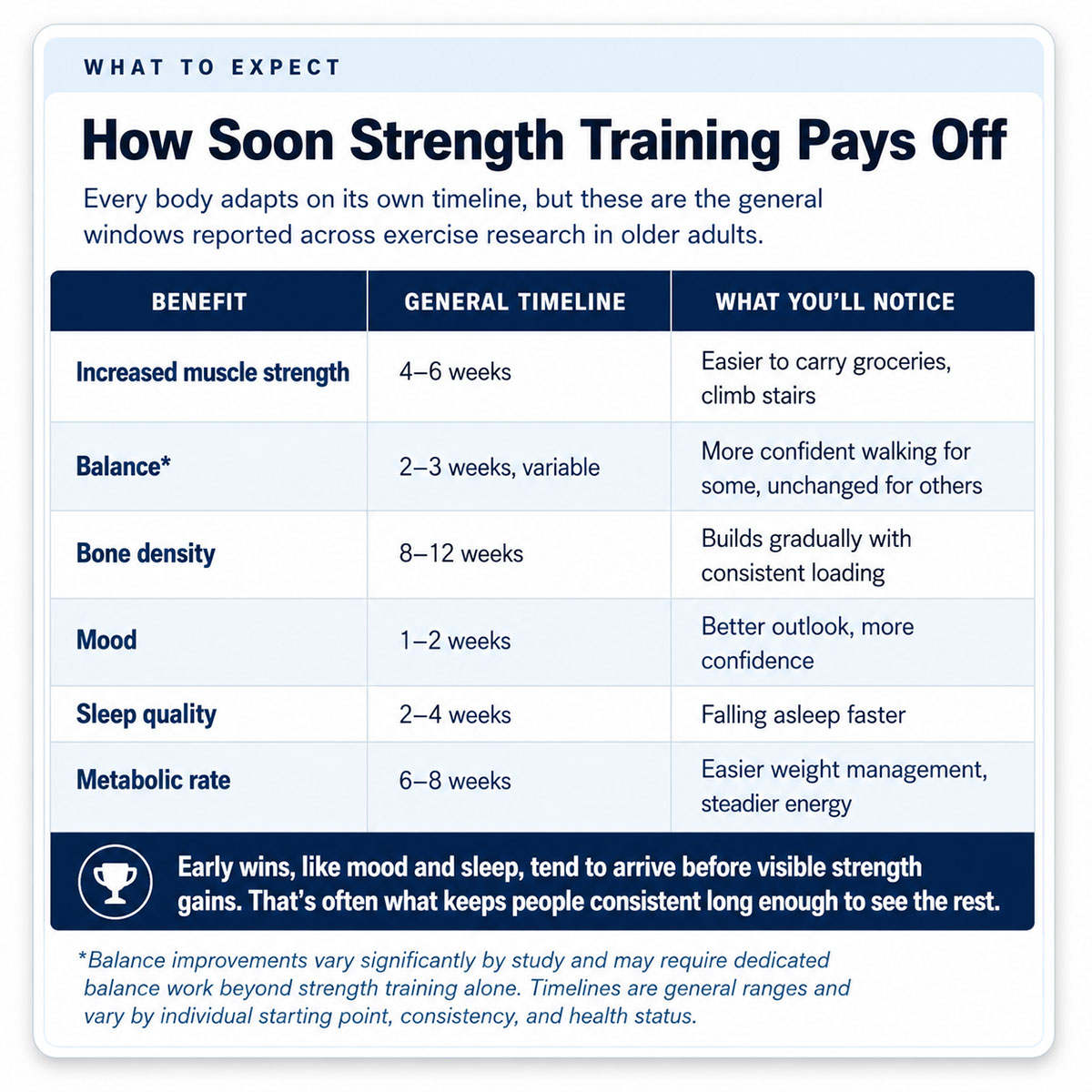
None of that tells a fifty-something reader what to actually do on a Tuesday morning, though. It does set reasonable expectations for how fast to expect results, which vary more by outcome than most people assume.
The 12-Minute Routine, Step by Step
How to Perform the Routine
The structure is simple. Six exercises, two rounds.
Each exercise runs 45 seconds, followed by 15 seconds of rest, which adds up to one 6-minute round. Rest for a full minute, then repeat for round two.
Total time: 12 minutes.
No fee, no driving, no waiting for a machine to free up.
What you need: a sturdy chair, a wall, body weight, and 12 minutes.
When to do it: three times a week on non-consecutive days works well, Monday, Wednesday, and Friday being the obvious pattern. Muscles need rest days to rebuild, so the days off matter as much as the workout itself.
Beginners, including those starting in their seventies or eighties, often do best with a shortened eight or ten-minute version at first. Three or four of the six moves are a reasonable start, with the rest added back in over two to three weeks. A smaller dose done consistently beats an ambitious plan that gets abandoned by week two.
12-Week Progressive Schedule
Weeks 1 to 2, master the basics: focus on form, use chair support where offered, hold the plank for 15 seconds, and move through every exercise slowly.
Weeks 3 to 4, add challenge: hold the plank for 25 seconds, add a 3-second pause to squats, and try wall push-ups without leaning as far in.
Weeks 5 to 6, increase intensity: hold the plank for 35 seconds, add single-leg balance challenges where noted, and deepen the lunge range.
Weeks 7 to 8, master variations: hold the plank for 45 seconds, try more advanced push-up positions, and add light household-item resistance.
Weeks 9 to 12, advanced modifications: hold the plank for 60 seconds or longer, add small jumping movements only if that feels comfortable, and start linking exercises into flow.
Six Moves That Cover the Whole Body
Six moves make up the full routine: a chair-assisted goblet squat, a wall push-up, a glute bridge, a plank, an alternating reverse lunge, and a seated row. Each targets a different major muscle group, and together they cover the whole body in twelve minutes.
1. The Goblet Squat (Chair-Assisted)
Because it strengthens the quadriceps and glutes while sparing the knees from strain, this chair-assisted squat variation doubles as one of the more knee-friendly strength exercises seniors can do at home. Strong legs are the foundation for climbing stairs, standing up from a chair, and staying independent.
- Stand in front of a sturdy chair with feet shoulder-width apart.
- Cross the arms over the chest or hold them straight out for balance.
- Lower the body slowly as if sitting into the chair.
- Lightly touch the chair seat, then stand back up.
- Keep the chest up and weight on the heels throughout the movement.
- Inhale while lowering, exhale while standing.
To make it easier: use a higher surface, like a bed or couch. To make it harder: remove the chair and add a 3-second pause at the bottom of each squat.
Watch out for: knees caving inward, leaning too far forward, or rising up onto the toes. All three usually mean the weight has shifted off the heels.
2. The Wall Push-Up
This move safely builds strength in the chest, shoulders, and triceps without stressing the wrists or back. Strong upper-body muscles improve posture and make daily tasks, like carrying groceries, feel less effortful.
- Stand an arm’s length from a wall.
- Place the palms flat against the wall at shoulder height.
- Lean forward slightly, keeping the body in a straight line.
- Push against the wall to return to the starting position.
- Keep the core tight throughout.
- Move with control rather than speed.
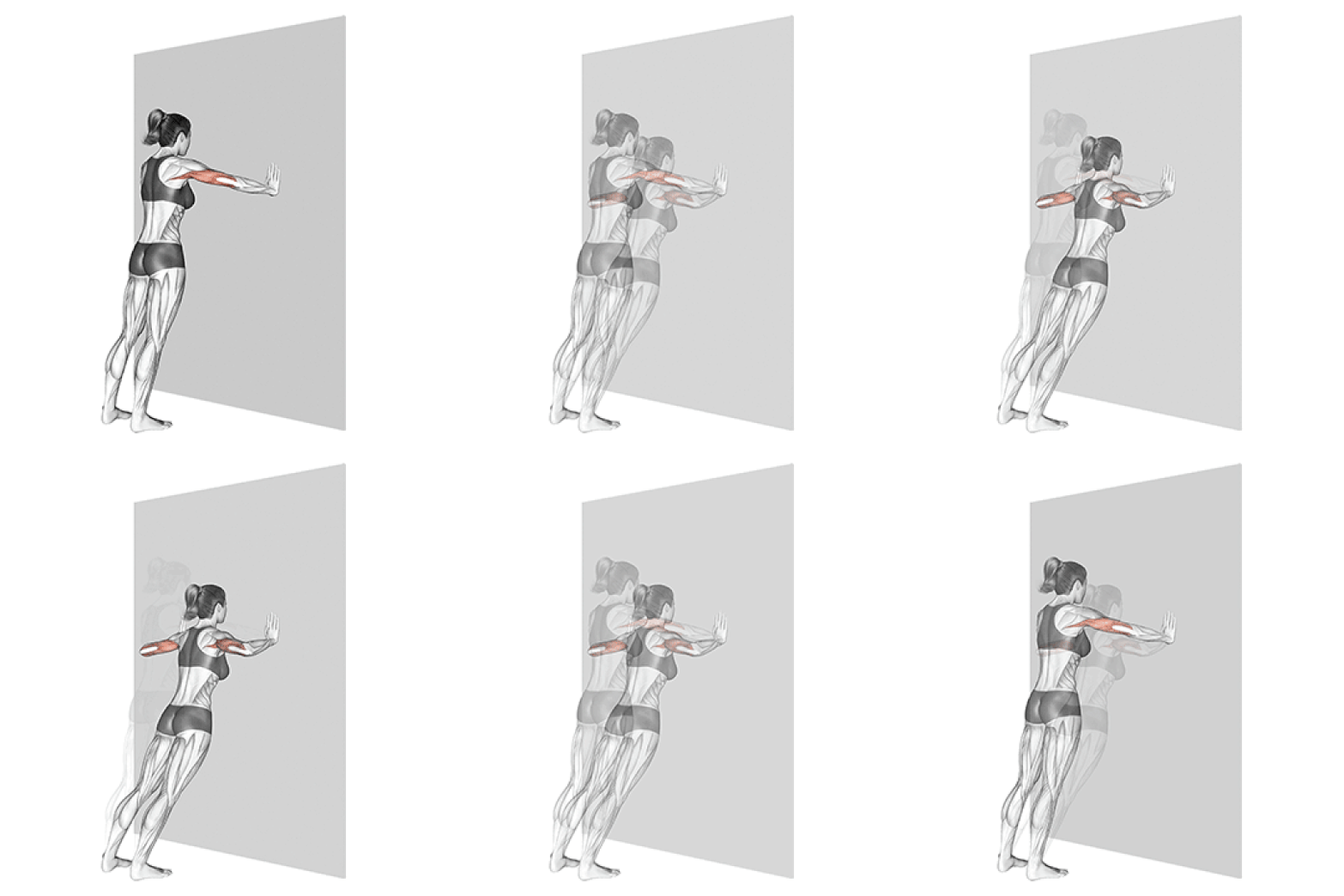
To make it easier: stand closer to the wall. To make it harder: step further back, or progress to countertop push-ups.
Watch out for: sagging hips or a bent lower back. The body should move as one straight unit from head to heels, not fold at the waist.
3. The Glute Bridge
This move activates the entire posterior chain, the glutes and hamstrings that support the lower back and drive powerful movement. Strong glutes protect the spine and improve posture through the rest of the day.
- Lie on your back with knees bent and feet flat on the floor.
- Rest the arms at the sides for stability.
- Squeeze the glutes and lift the hips toward the ceiling.
- Hold for one second at the top, then lower slowly.
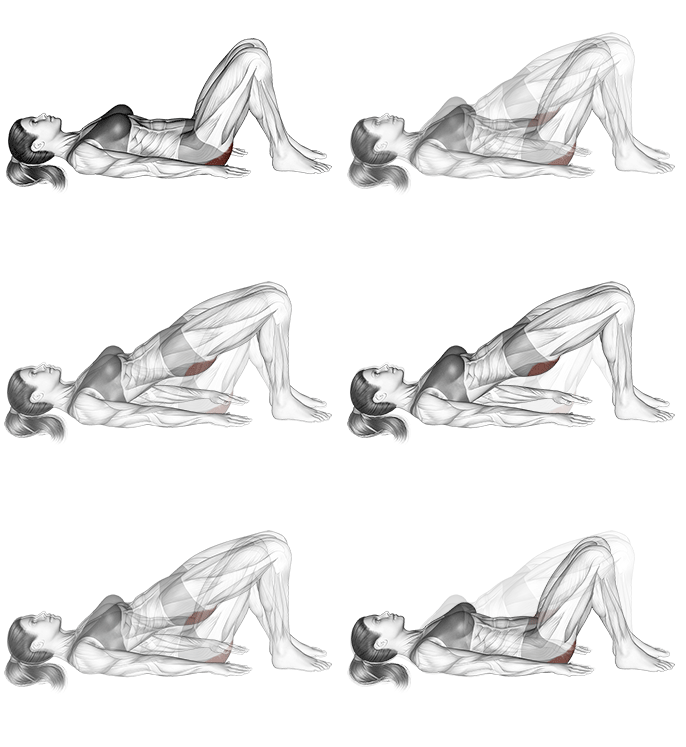
Halfway range works fine for the first couple of weeks. Once the full rep feels easy, the real progression is a three-second hold at the top or a pillow squeezed between the knees for added glute activation, rather than more range.
4. The Plank
Think of the core as the body’s natural weight belt, quietly doing its job long before a rep counter would ever call it work. That’s the plank: less a single exercise than a foundation the other five sit on, since a stable trunk is what makes every other movement in this routine safer.
- Start in a push-up position, resting on the forearms.
- Keep the elbows directly under the shoulders.
- Hold the body in a straight line from head to heels.
- Pull the belly button toward the spine to engage the core.
- Breathe normally throughout the hold.
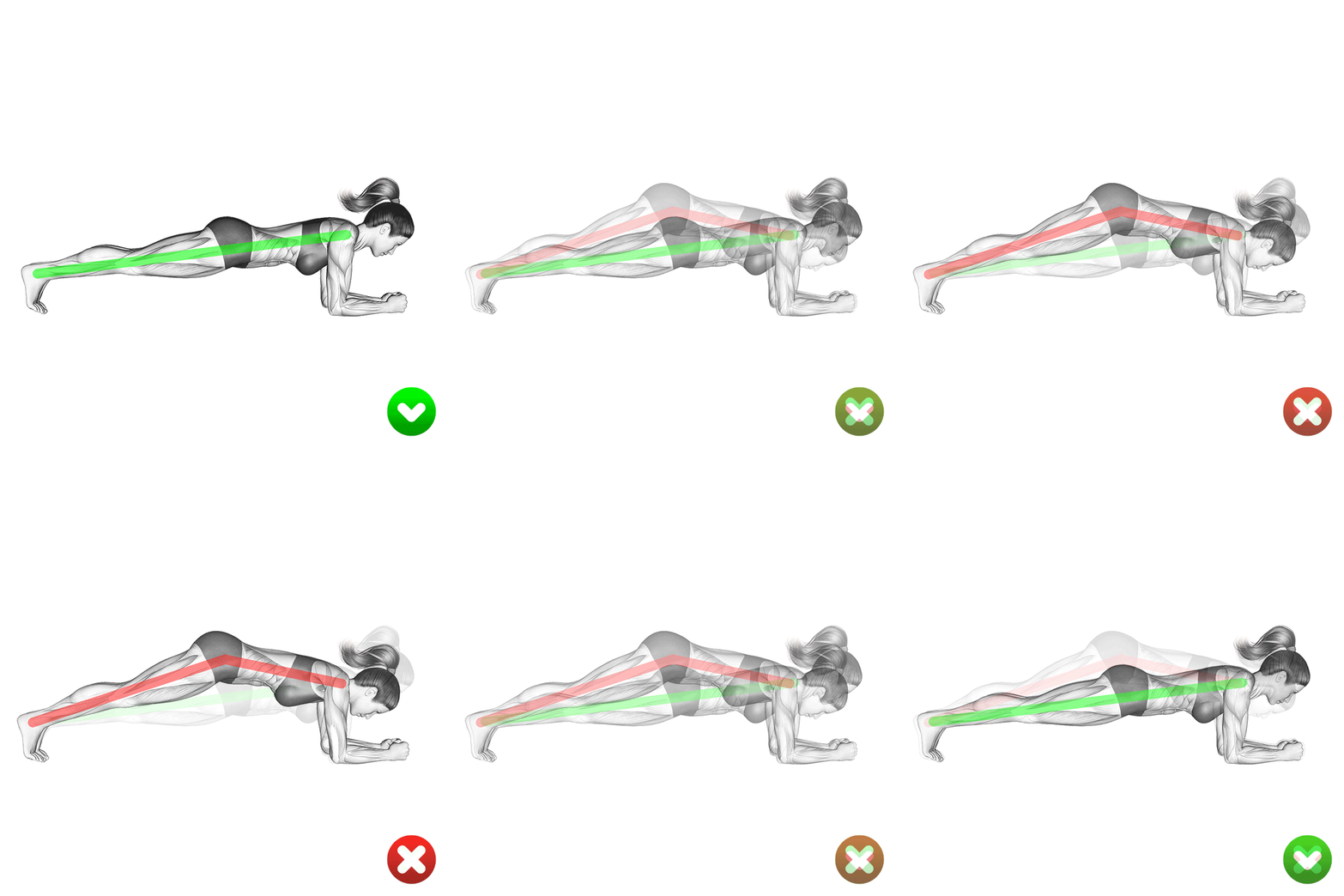
To make it easier: drop to the knees while keeping the upper body straight. To make it harder: extend the hold by five seconds each week.
Watch out for: hips sagging toward the floor or piking up toward the ceiling. Either one shifts the work off the core and onto the shoulders or the lower back.
5. Alternating Reverse Lunges
Of the six moves here, this one does the most for balance. As a single-leg movement, the reverse lunge challenges stability, coordination, and leg strength together, and it’s gentler on the knees than a forward lunge.
- Stand with feet hip-width apart.
- Step the right foot back two to three feet.
- Lower until both knees are bent at roughly 90 degrees.
- Push through the front heel to return to standing.
- Repeat with the left foot stepping back.
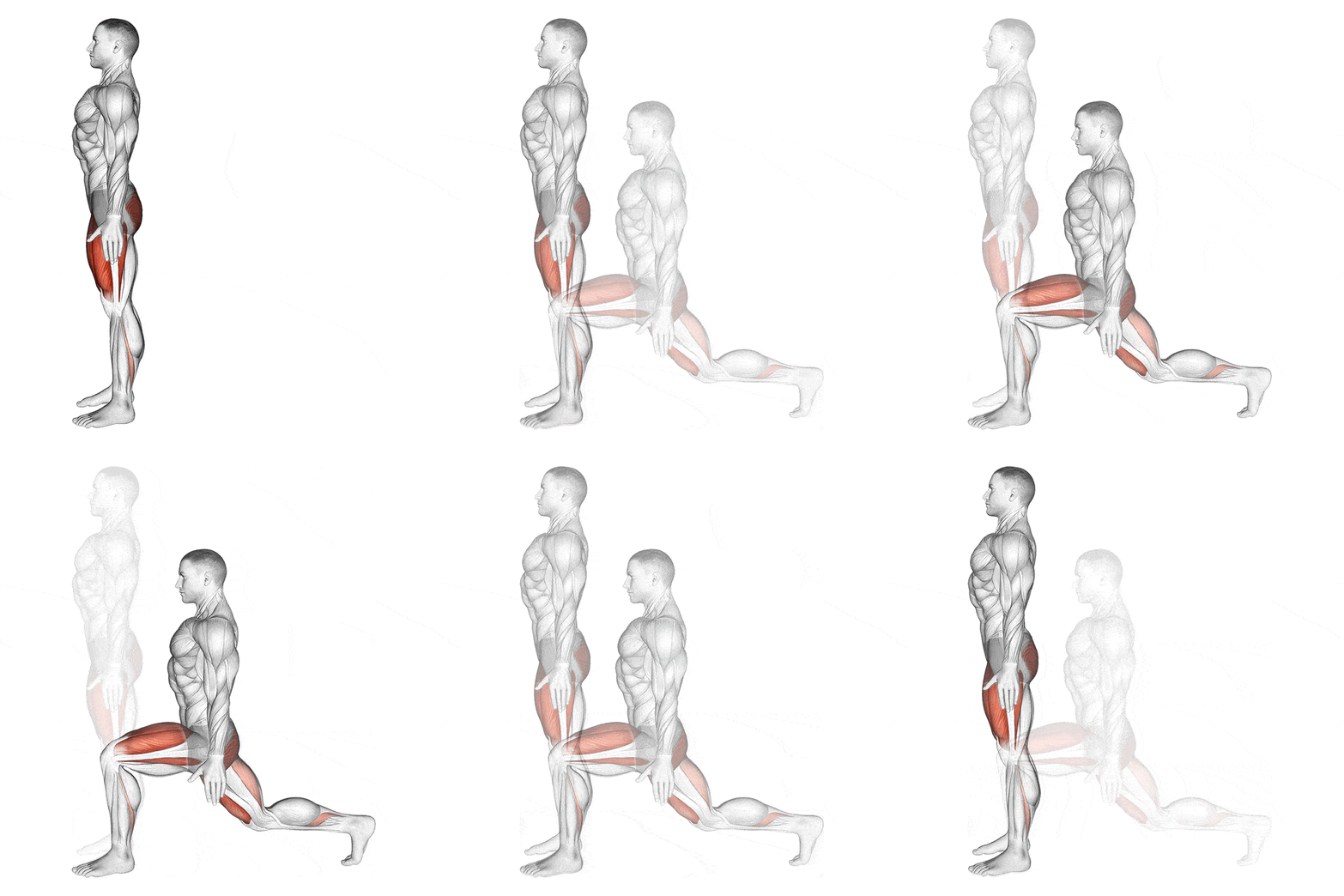
Balance is the limiting factor here more than strength, so a chair or wall within reach is a legitimate tool for the first few weeks. Once the movement feels stable, dropping the support and adding a 2-second pause at the bottom is the natural next step, well before stepping back further would make sense.
Watch out for: letting the front knee drift past the toes. Keeping it stacked over the ankle protects the joint through the full range.
6. The Seated Band Row (or Shoulder Blade Squeeze)
This move strengthens the back and improves posture. It directly counters the forward hunch that builds up from computer work and ordinary daily life, and strong back muscles keep that slouch in check hour after hour.
Without equipment:
- Sit tall in a chair with feet flat on the floor.
- Extend the arms straight out in front.
- Pull the elbows back, squeezing the shoulder blades together.
- Hold for two seconds, then return to the start.
With a resistance band:
- Sit with the band looped around the feet or a sturdy object.
- Hold the handles with arms extended.
- Pull the band toward the ribs, squeezing the shoulder blades.
- Control the return to the starting position.
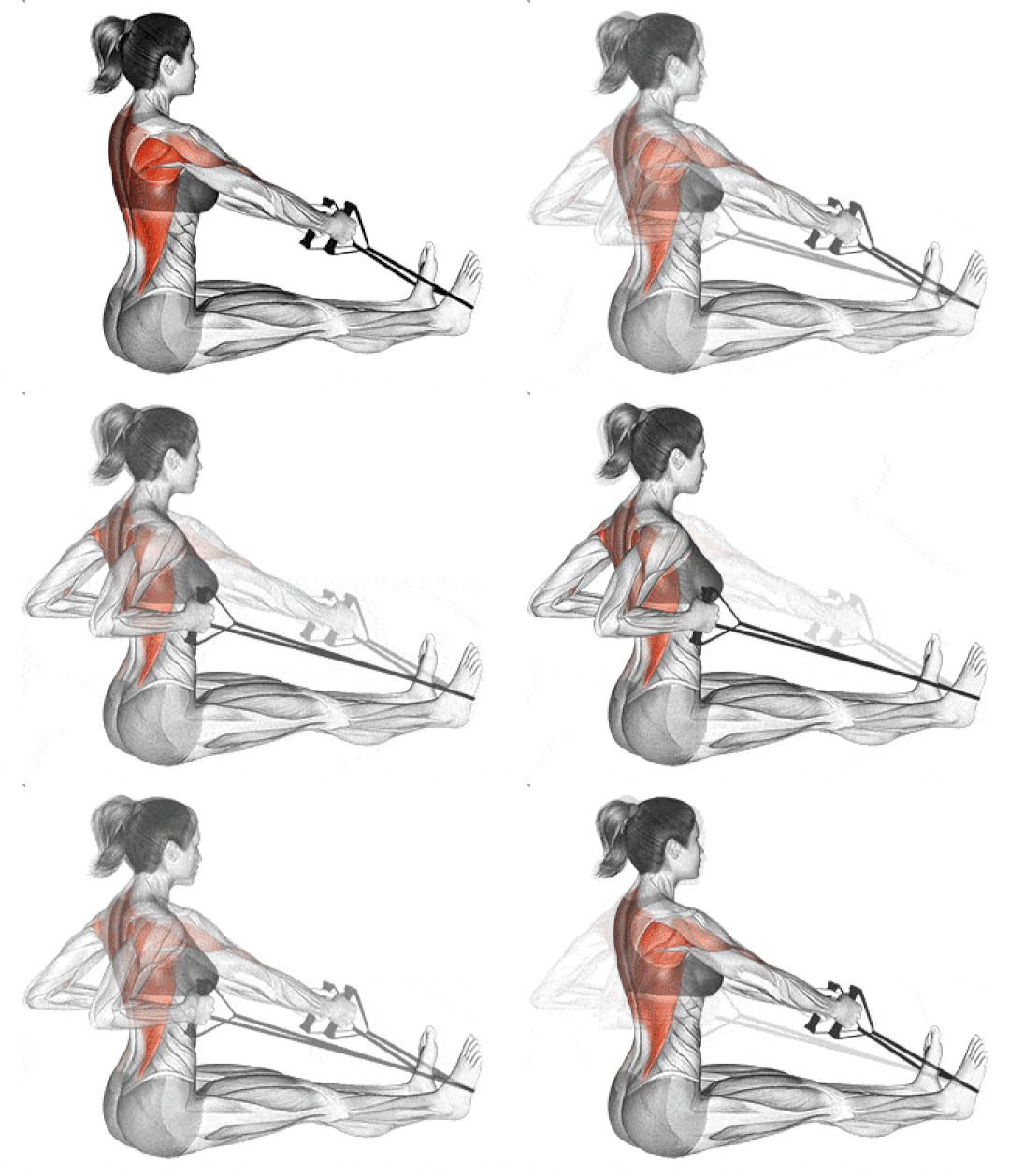
Pro tip: without a band, focus on a slow, 3-second squeeze on every rep. With one, choose a resistance that feels genuinely challenging by rep eight or nine.
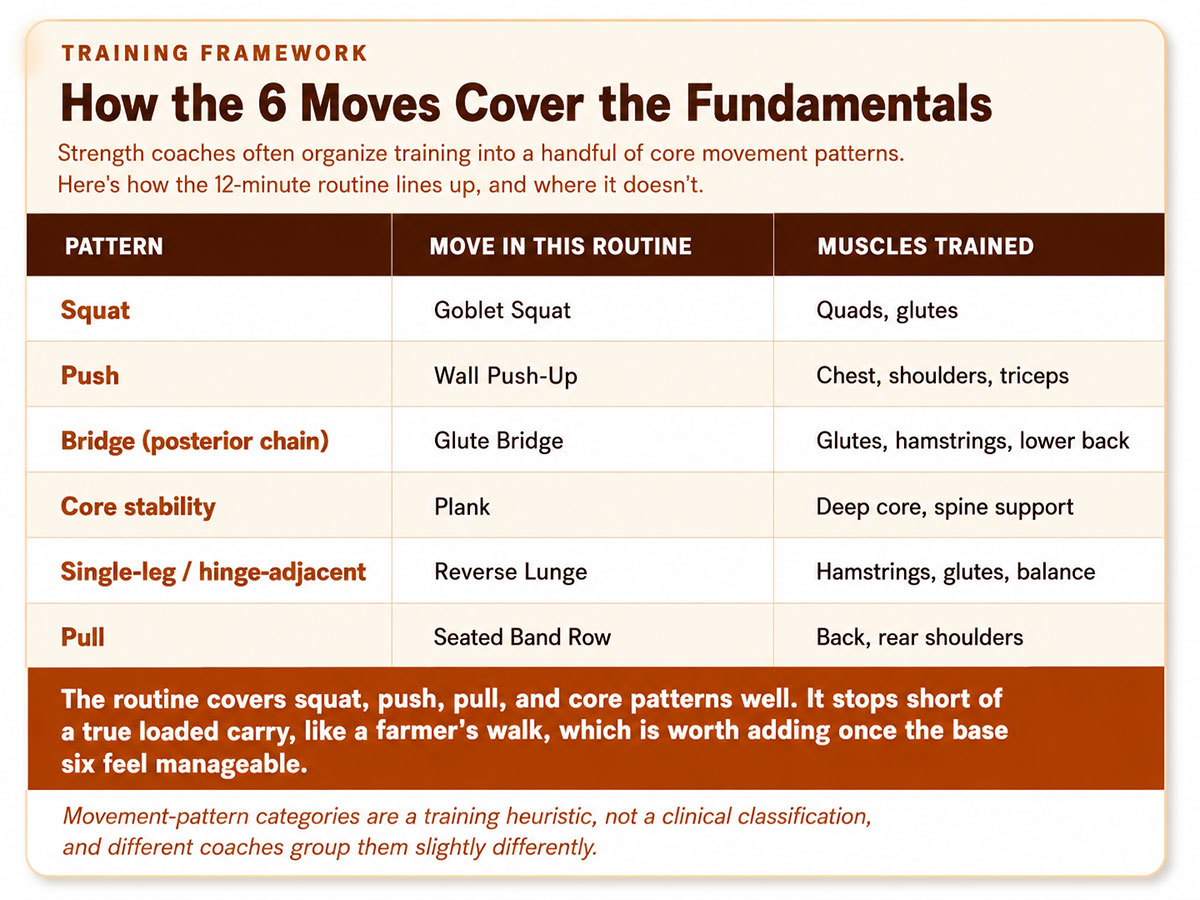
How the 6 Moves Cover the Fundamentals
Strength coaches often organize training into a handful of core movement patterns: squat, push, pull, hinge, and carry. This routine touches most of them well. It also has a clear gap worth knowing about.
One More Worth Adding: Heel Raises
Every major clinical guide to strength training for seniors, from the CDC’s Growing Stronger program to UCLA Health’s exercise recommendations, includes one movement missing from the core six above: the heel raise. It targets the calves specifically, which matter more for balance than most people assume.
- Stand behind a chair or counter, holding on lightly for balance.
- Lift both heels off the floor, rising onto the toes.
- Hold for one second at the top.
- Lower slowly and with control.
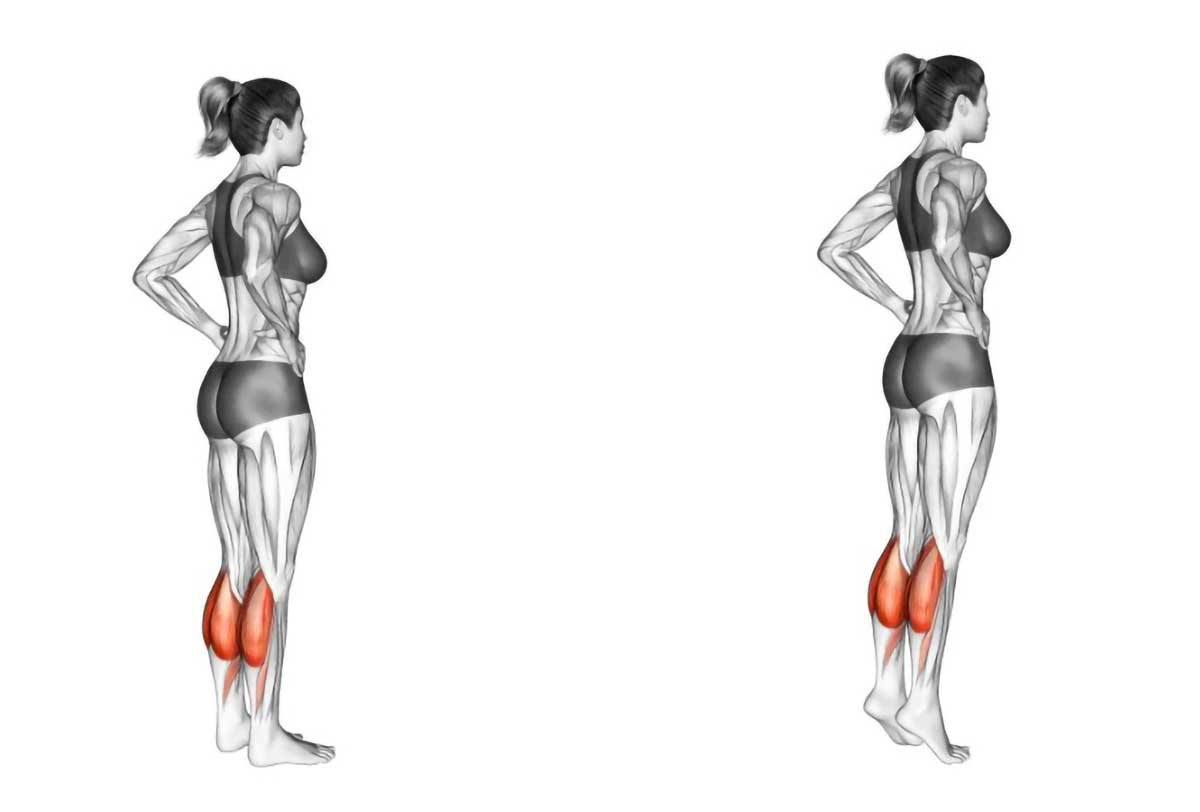
Ten to fifteen reps, added onto the end of the six-move routine two or three times a week, is enough to notice a difference in stability within a few weeks.
12-Minute Strength Timer
The routine above works from a printed page. It works better with something tracking the clock.
Adjusting the Routine for Health Conditions
Arthritis: Joint-Friendly Modifications
Knee arthritis calls for a higher chair on squats, shallower lunges, and movement that stays controlled throughout. Hip arthritis responds better to a smaller squat range, wall support during lunges, and avoiding deep hip flexion. Shoulder arthritis is the trickiest of the three: keep the arms lower during exercises, use gentler push-up angles, and stop well short of any pain.
Osteoporosis: Spine-Safe Exercises
Protecting the spine matters most here. Avoid forward bending, keep the chest lifted through every exercise, and lean on a wall for balance support where needed.
Wall push-ups work particularly well for spine extension, and glute bridges strengthen the back muscles that support posture. Standing exercises are generally preferable to floor work.
Heart Conditions: Monitoring Intensity
Start slowly and progress gradually. Take longer rest periods if needed, and stop immediately for chest pain or pressure.
A reasonable intensity check: it should be possible to talk during the exercise, and some breathlessness is normal. Dizziness is not, and it’s a sign to stop right away.
Balance Issues: Extra Support Options
Always use support for single-leg exercises, like the reverse lunge, and for any movement that challenges stability. A sturdy chair, a wall, a kitchen counter, or an exercise partner all work.
Common Challenges
Most hiccups in the first few weeks are mechanical, not medical. Joint pain during a movement usually means the range of motion needs to shrink, not that the exercise needs to go.
Dizziness calls for slower transitions between positions and a glass of water nearby. Soreness that lingers beyond 72 hours is a signal to add a rest day, not push through.
Balance trouble and an incomplete routine both respond to the same fix: start smaller. Two exercises done well beat six done poorly, and the rest gets added back in over a couple of weeks.
What doesn’t wait: pain that persists after a full rest day, frequent near-falls, or breathing difficulty beyond the expected effort of the movement. Any of those is a reason to call a doctor, not push through another set.
No Equipment? No Problem
Water bottles as weights: add resistance during squats, hold them during lunges for an added balance challenge, or use them to make rows harder.
A towel for resistance: pull it apart during rows, use it for isometric holds, or stretch with it after the workout.
Stairs for progression: step-ups raise the cardio demand, the bottom step works for incline push-ups, and the step edge is useful for calf raises.
Books for balance: balance on one during single-leg stands, use them as visual targets for precise foot placement, or stack them to adjust height.
Fueling the Routine: Why Protein Matters
Building muscle requires the right fuel, and protein is the single most important nutrient for strength gains after 50.
Your Protein Needs
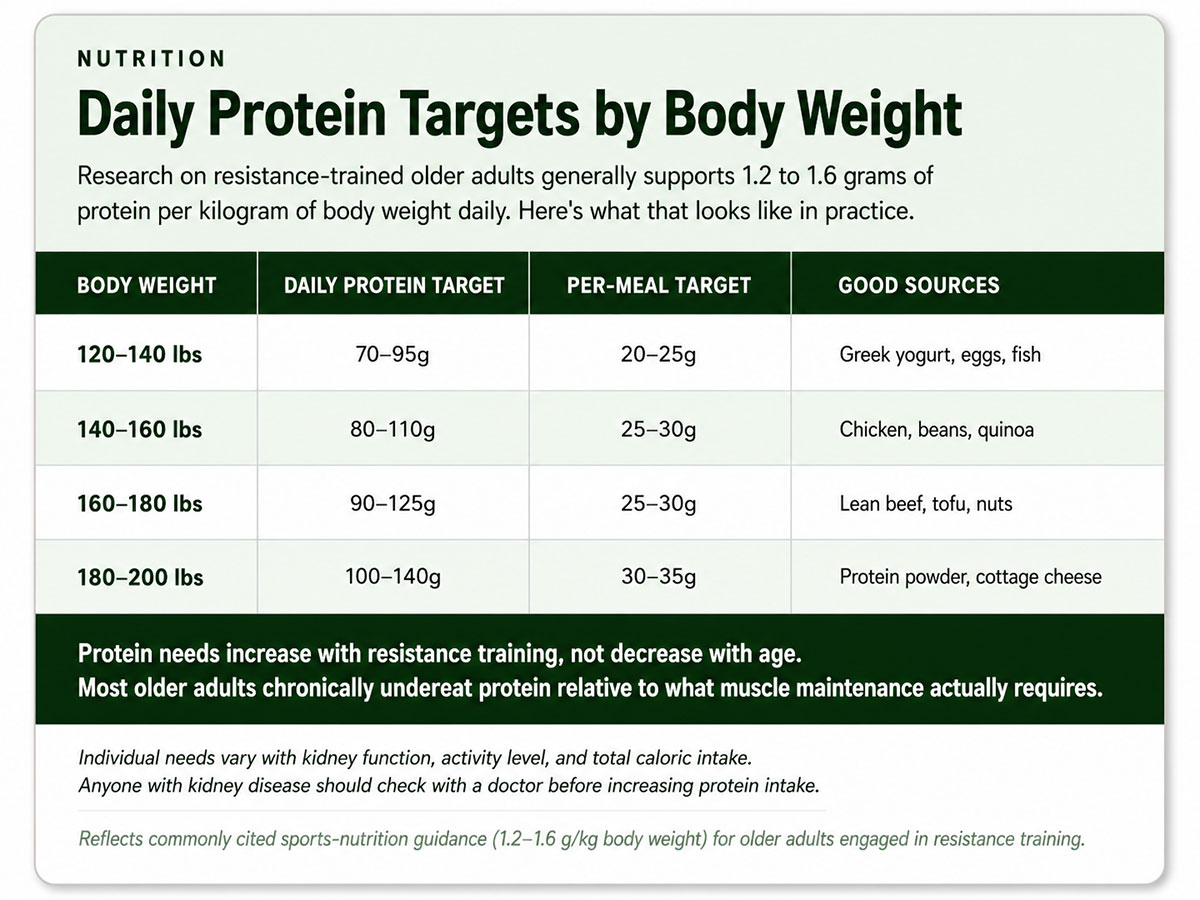
Timing matters almost as much as the total. Eating 20 to 30 grams of protein within two hours after a workout gives muscles what they need to recover and rebuild.
Easy ways to hit the target: Greek yogurt with berries, two eggs with toast, a protein smoothie, or a tuna sandwich all deliver 12 to 25 grams in a single serving.
When to Stop: Red Flags
Safety comes first. Stop exercising immediately for chest pain or pressure, severe shortness of breath, dizziness or lightheadedness, nausea, or an irregular heartbeat.
Other signs worth pausing for: joint pain that worsens during movement, sharp or shooting pain, extreme fatigue lasting hours, swelling in the legs or ankles, or vision changes. Pain that doesn’t ease with rest, or dizziness that keeps recurring during exercise, is also worth a call to a doctor before the next session.
Tracking Progress
A number on a page tends to matter more than a feeling in the body. Before starting, log a baseline on a few simple measures, then check back in at weeks four, eight, and twelve.
Strength Progress Tracker
Log your numbers at baseline, week 4, week 8, and week 12 to see real change.
Baseline vs. Latest Checkpoint
Log at least two checkpoints to see a comparison here.
Week 1 focus: learn proper form and complete every movement. Week 2 focus: build consistency and trim rest time where possible.
Week 3 focus: add small challenges and increase difficulty slightly. Week 4 focus: re-test the baseline measurements.
A few honest signals that it’s working: the full routine feels manageable without excessive fatigue, daily tasks feel a little easier, sleep improves, and energy runs higher through the day.
What Twelve Minutes Actually Gets You
The twelve minutes were never really the point. What the research keeps landing on is that intensity, not duration, is what convinces an aging body to hold onto strength it would otherwise let go. That’s a genuinely different message from most fitness advice aimed at people over fifty, which still tends to equate more time with more benefit.
Strength, in the strict sense measured by these studies, responds well to short, hard effort. Balance and cardiovascular fitness are their own separate projects, worth pursuing with the same seriousness rather than assumed as a bonus that comes bundled in.
Twelve minutes, three times a week, is a legitimate start. It was never meant to be the whole plan.
Frequently Asked Questions
Can I do this routine if I’ve never exercised before?
Yes, including starting in your seventies or eighties. Begin with the easier modifications and progress at your own pace. Listen to the body and don’t rush the process.
What if I can’t complete all six exercises?
Start with two or three that feel manageable and build up to the full routine over two to three weeks. Quality matters more than quantity at this stage.
How long before I see results?
Most people notice better energy within one to two weeks. Strength gains typically show up by week four to six, and visible changes take eight to twelve weeks of consistency.
Can muscle strength be regained after age 70?
Yes. Research consistently shows resistance training produces measurable strength gains well into a person’s eighties and nineties. The muscle-building response slows somewhat with age, but it doesn’t disappear.
What’s the fastest way for seniors to rebuild muscle?
There isn’t a real shortcut, and anyone promising one is selling something. Two to three structured sessions a week, paired with roughly 20 to 30 grams of protein per meal, is the closest thing to a fast track that the research actually supports.
What mistakes do seniors most often make when starting strength training?
The two most common are skipping the warm-up and progressing too fast. Cold muscles are more prone to strain, and adding weight or reps before form is solid tends to stall progress rather than speed it up.
Can this routine replace physical therapy?
No. It complements physical therapy but doesn’t substitute for professional treatment. Check with a therapist before starting any new exercise program.
What if I miss a day?
Life happens. Return to the routine on the next scheduled day. Consistency over time matters more than a perfect streak.
Is soreness after workouts normal?
Mild soreness 24 to 48 hours after exercise is normal and shows the muscles are adapting. Severe pain, or soreness lasting more than three days, isn’t.
Can I do this routine every day?
No. Muscles need rest days to recover and rebuild. Three times a week, with at least one rest day between sessions, is the right cadence.
What if I have limited mobility?
Many of these exercises adapt well to a seated position. Focus on the movements that can be done safely, and modify the rest as needed.