Many of the most popular liver supplements don’t perform as well as people expect, while a few lesser-known options stand out. See how all 20 compare.
The supplement aisle stocks more than a dozen products marketed for liver support. Clinical research actually defends two of them, and not for the reasons most of their buyers think.
One is recommended only for a narrow group: adults without diabetes who have confirmed liver inflammation on biopsy. The other is a hospital emergency medicine used when someone’s liver is failing from a Tylenol overdose. Both are real treatments with meaningful evidence. Neither is a general-purpose wellness supplement.
The rest of the list ranges from promising-but-preliminary to genuinely worth skipping, and a few can damage the organ they claim to protect. This ranking covers 20 common liver supplements by the quality of their human clinical evidence: controlled trials with real people and measurable outcomes, not lab studies or animal models. Where the evidence is thin, this article says so.
Before starting any supplement: Talk to your doctor, especially if you already have a diagnosed liver condition. Some supplements interact with medications. A few in this list require medical supervision to use safely at all.
Understanding Your Liver Condition
Different liver conditions respond to different supplements. Using the wrong one for your situation is a reliable way to waste money or cause harm. The Tier breakdowns later in this article are organized by condition for exactly this reason.
Fatty Liver Disease (NAFLD/MASLD)
Fat accumulation in liver cells without significant alcohol consumption is called non-alcoholic fatty liver disease, now more commonly referred to in clinical literature as metabolic dysfunction-associated steatotic liver disease, or MASLD. Most people find out they have it incidentally, during a routine ultrasound or blood panel. There are no symptoms in the early stage.
MASLD comes in two forms. Simple fatty liver (steatosis) means fat is present without inflammation: the earlier stage, and the one most responsive to lifestyle changes. NASH (non-alcoholic steatohepatitis), now called MASH, means fat plus active inflammation, which starts damaging liver cells and can progress to scarring.
Five Early Signs Your Liver May Be Struggling
Most early liver disease produces no symptoms at all, which is why blood tests and imaging are the only reliable way to know. When symptoms do appear, they tend to be nonspecific: fatigue, mild discomfort in the upper right abdomen, and increased sensitivity to fatty foods. More specific warning signs include persistent nausea, yellowing of the skin or eyes, dark-colored urine, and unexplained swelling in the legs or abdomen. Any of these warrant a doctor visit, not a supplement purchase.
NASH (Nonalcoholic Steatohepatitis)
NASH is the stage where inflammation is actively damaging liver cells. Think of it as rust forming on metal: the damage accumulates slowly but compounds over time. Not everyone with fatty liver progresses to NASH, but if you do, supplement decisions become more medically significant and should happen under a doctor’s supervision, not independently.
Cirrhosis and Advanced Liver Disease
Cirrhosis means scarring severe enough to impair liver function. Supplements are not a treatment for cirrhosis. If this is your diagnosis, specialist medical care is the only appropriate path.
Cholestatic Liver Disease (PBC and PSC)
Primary biliary cholangitis (PBC) and primary sclerosing cholangitis (PSC) are conditions where bile flow is disrupted, causing bile to accumulate in the liver. Both require prescription treatment as the foundation. A small number of supplements show supporting evidence for cholestatic conditions specifically. SAMe is the most relevant one covered here.
Viral Hepatitis and Autoimmune Disease
Hepatitis B and C, and autoimmune liver conditions, have specific medical treatments that address the root cause. Supplements play a secondary role at most and should not substitute for or delay antiviral or immunosuppressive therapy.
Understanding Liver Tests
If you’re going to track whether supplements are helping, you need a baseline. These are the numbers your doctor will use.
ALT and AST (Liver Enzymes)
ALT (alanine aminotransferase) and AST (aspartate aminotransferase) are proteins released when liver cells are damaged or dying. Elevated levels signal liver stress from fatty liver, medications, alcohol, or supplements themselves. Normal ranges vary by laboratory, but typical values run 7-56 units per liter for ALT and 10-40 units per liter for AST. Most supplements take 8-12 weeks to produce measurable changes in these numbers.
AST/ALT Ratio
The ratio of AST to ALT tells your doctor more than either number alone. In simple fatty liver, ALT is typically higher than AST. When the ratio reverses, and AST climbs above ALT, it can indicate early cirrhosis. Tracking the ratio over time gives a clearer picture of disease direction than either enzyme in isolation.
Bilirubin
Bilirubin is the yellow pigment produced when old red blood cells are broken down. A healthy liver processes and excretes it through bile. When liver function declines, bilirubin accumulates. This produces the yellowing of skin and eyes known as jaundice. Normal bilirubin runs below 1.2 mg/dL.
Albumin and Total Protein
Albumin is produced by the liver. As liver function declines, albumin levels fall, and fluid accumulates in the legs and abdomen. Normal albumin is 3.5-5.0 g/dL. This is one of the later markers to change, which means a low albumin reading is a significant finding.
Imaging: Ultrasound, Fibroscan, and MRI
Ultrasound identifies fat in the liver. Fibroscan measures liver stiffness, which correlates with scarring. MRI provides the most detailed picture but is the most expensive option. These imaging results typically take 12-24 weeks to show improvement in response to lifestyle changes or supplements. They’re slower than blood tests, but more meaningful.
Testing Timeline
Get baseline blood work and imaging before starting any supplement. Retest at three months. If markers are improving, continue and retest every six months. If they’re not moving after 12 weeks, the supplement isn’t working for you, or the dose or form is wrong.
Liver Symptom Checker
🔍 Liver Symptom Checker
Identify your liver condition to find the right supplements
Tier 1: Strong Clinical Evidence
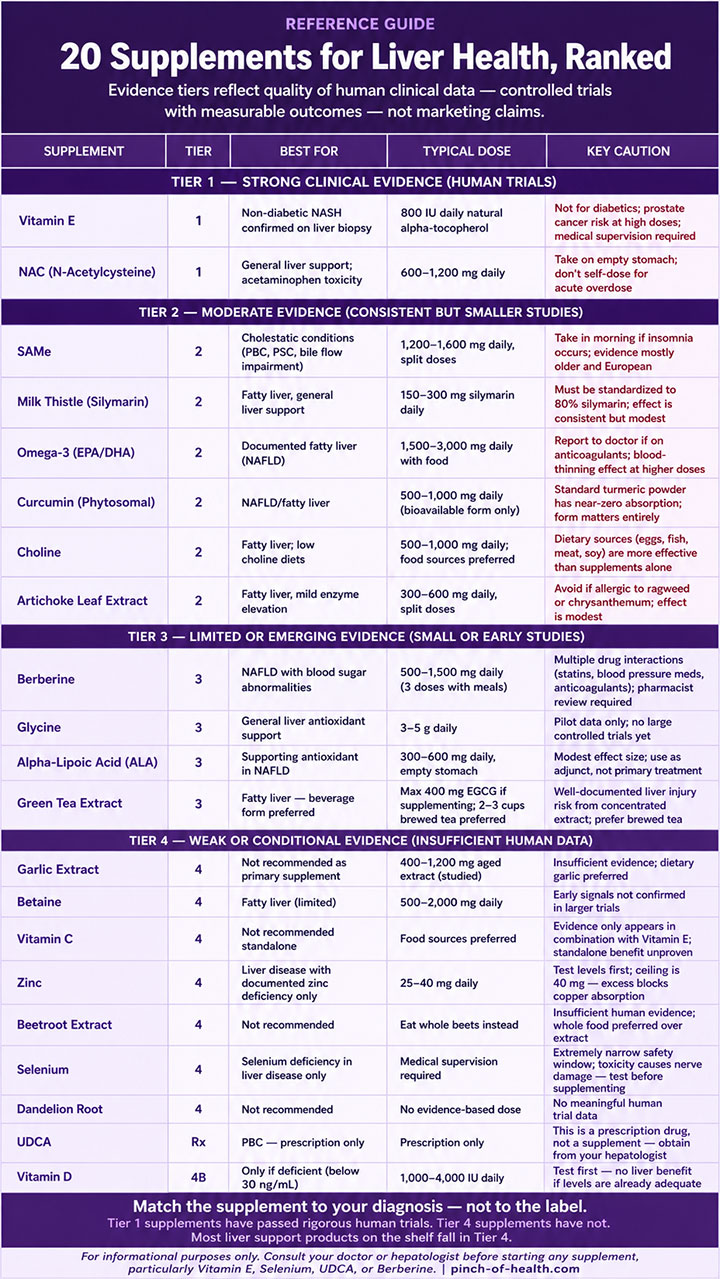
These two supplements have passed rigorous human trials. Both produce significant, measurable improvements in liver tissue or function. Both also come with important restrictions that most buyers aren’t aware of when they purchase them.
1. Vitamin E (Only If You Meet Specific Criteria)
Start with who this supplement is actually for, because most people who buy it don’t qualify. Vitamin E for liver disease is recommended only for adults without diabetes who have confirmed non-alcoholic steatohepatitis, meaning a biopsy has already been done, and the results show active inflammation, not just fat accumulation. If that description doesn’t fit your situation, the clinical case for Vitamin E simply doesn’t apply.
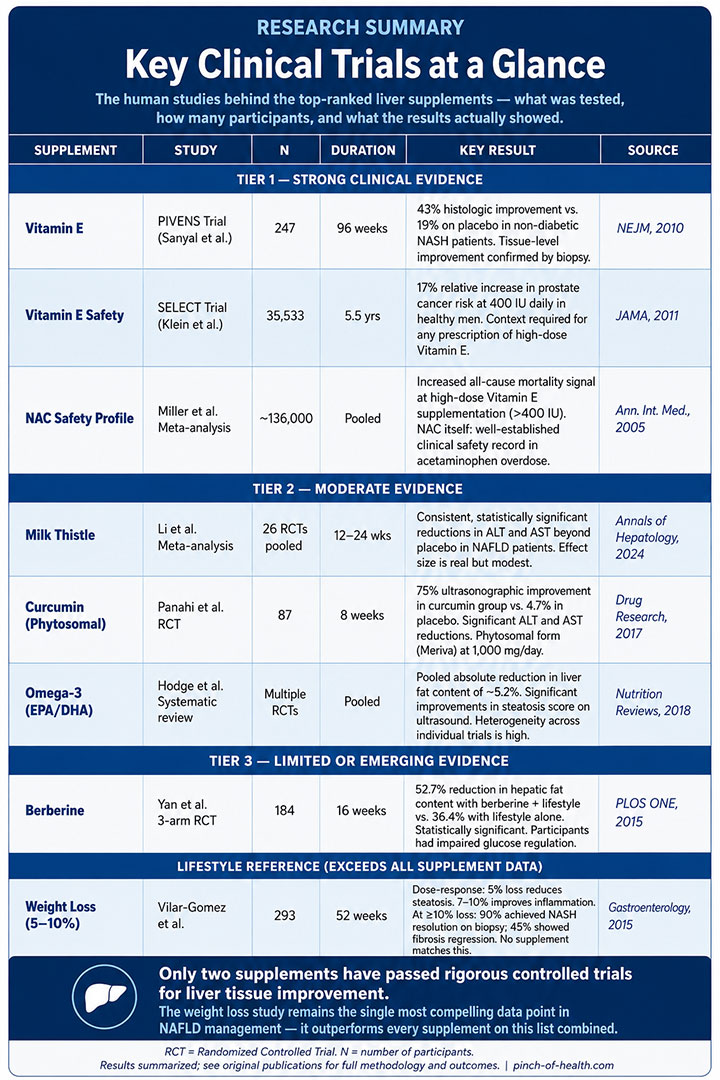
For those who do qualify, the evidence is real. The landmark PIVENS trial, published in the New England Journal of Medicine in 2010, randomized 247 non-diabetic adults with confirmed NASH to receive Vitamin E at 800 IU daily, a diabetes drug called pioglitazone, or placebo for 96 weeks. Liver biopsies at the end of the trial showed histologic improvement in 43% of the Vitamin E group, compared to 19% on placebo. That’s a meaningful result: actual tissue-level improvement confirmed under a microscope, not just enzyme changes.
That finding took a while to absorb when it was first published, because “tissue improvement” is a much higher bar than most supplement research clears.
Three restrictions matter. First, the dose with trial support is 800 IU daily of natural alpha-tocopherol (not the 300-600 IU often listed on products, which was never tested in this context). Second, if you have type 2 diabetes, Vitamin E for NASH doesn’t show the same benefit and may carry additional risk.
Third, the safety picture is complicated: extended follow-up from the SELECT trial, published in JAMA in 2011, found that Vitamin E at 400 IU daily was associated with a 17% relative increase in prostate cancer risk in healthy men, and a 2005 meta-analysis in the Annals of Internal Medicine found a signal for increased all-cause mortality at high doses.
None of this means Vitamin E is wrong for the right patient. It means it requires a doctor’s involvement (actual diagnosis, actual dosing, actual monitoring), not a shelf purchase based on the “liver support” label.
2. N-Acetylcysteine (NAC)
NAC holds a place that no other supplement does: it’s a standard hospital medicine. When someone overdoses on acetaminophen (Tylenol) and their liver is heading toward failure, NAC is the intervention. It works by restoring glutathione (the liver’s primary antioxidant defense) fast enough to prevent cell death. That’s not a supporting role in a clinical trial. It’s the protocol.
The question for most readers is what that record means for general liver health. The answer is more cautious than the hospital story implies. Research reviews in NAFLD show that NAC can reduce liver enzyme elevations through its antioxidant properties, but the human trial base for general supplementation is smaller and less consistent than the acetaminophen overdose literature. It’s a reasonable supportive supplement for people with documented liver disease who have talked to their doctor. It’s not a substitute for lifestyle changes.
Standard dosing for general support runs 600-1,200 mg daily. Take it on an empty stomach. NAC absorbs better without food. If the taste of raw powder bothers you, capsule forms are widely available.
Tier 2: Moderate Evidence
These supplements have produced consistent, positive results across multiple human studies: improvements in liver enzymes, fat on imaging, or specific symptom markers. The evidence doesn’t match Tier 1 in quality or size, but it’s real and reproducible.
3. S-Adenosyl-L-Methionine (SAMe)
SAMe is a compound your body makes naturally from the amino acid methionine. Your liver uses it for a family of reactions called methylation, which keeps liver cells functional and helps bile move out of the liver rather than accumulating. The supplement version has been studied primarily in cholestatic liver conditions (situations where bile flow is impaired), and the evidence there, while older and mostly European, is solid enough to take seriously.
The honest picture on SAMe is that the strongest trial evidence comes from intrahepatic cholestasis broadly (encompassing cirrhosis, chronic hepatitis, and pregnancy-related bile flow problems) rather than from dedicated PBC or PSC trials specifically.
A trial specifically in primary sclerosing cholangitis (NCT06026865) was still running at the time of this article’s revision. For now, SAMe is a reasonable supportive option in bile-flow conditions under doctor guidance, not a proven treatment for any specific cholestatic diagnosis.
Typical dosing is 1,200-1,600 mg daily, split into two doses. Common side effects are mild: nausea, insomnia, and dry mouth. Take it in the morning if sleep is affected.
4. Milk Thistle (Silymarin)
No supplement has a bigger gap between its market reputation and what the research actually shows. Milk thistle is everywhere (in liver support blends, detox kits, and wellness protocols) and the evidence behind it is real but modest in a way its packaging rarely admits.
A 2024 meta-analysis published in the Annals of Hepatology pooled 26 clinical trials in NAFLD patients and confirmed that silymarin (the active compound in milk thistle) reduces ALT and AST levels beyond placebo at clinically meaningful levels, particularly in trials running 12-24 weeks. The effect is consistent. It’s also categorically smaller than what you’d see from a 7-10% reduction in body weight, which matters for setting realistic expectations about what you’re buying.
When purchasing, look for products standardized to 80% silymarin and providing 150-300 mg of silymarin daily, not just “milk thistle extract,” which can contain wildly variable concentrations of the active compound. Milk thistle’s safety profile is very clean. Minor digestive upset is the only common side effect.
5. Omega-3 Fatty Acids (EPA/DHA)
The claim most often made for fish oil and liver health is that it reduces liver fat. That claim has real evidence behind it, but the magnitude of that effect is more modest than many supplement labels suggest.
A systematic review and meta-analysis in Nutrition Reviews in 2018 pooled controlled trials in NAFLD patients and found a pooled absolute reduction in liver fat content of approximately 5.2%, alongside meaningful improvements in steatosis score on ultrasound. These are real, clinically relevant numbers. Individual trials show more variation, with some showing larger effects and some showing no effect at all, which reflects the ongoing uncertainty about optimal dose and patient selection.
If you have NAFLD with documented fat on imaging, fish oil at 1,500-3,000 mg daily is worth discussing with your doctor. Take it with food to reduce GI side effects. If you’re on anticoagulants like warfarin, report this to your doctor first. Fish oil has blood-thinning properties at higher doses.
6. Curcumin (From Turmeric)
Standard turmeric powder from a spice jar provides almost no usable curcumin to your liver. The compound is fat-soluble and poorly absorbed in conventional form, with only a small fraction reaching the bloodstream. This absorption problem is the most important thing to understand before spending money on curcumin supplements, because it determines whether you’re buying something that can actually reach your liver at therapeutic concentrations.
The good news is that the absorption problem has been solved. Phytosomal curcumin (a formulation that binds curcumin to phosphatidylcholine) reaches the bloodstream at significantly higher concentrations than standard extracts.
Iranian researchers led by Yunes Panahi at Baqiyatallah University tested exactly this formulation in an 8-week randomized controlled trial published in Drug Research in 2017: 87 NAFLD patients received either 1,000 mg daily of phytosomal curcumin or placebo. Ultrasound findings improved in 75% of the curcumin group, compared to 4.7% in the placebo group. Liver enzymes moved in the same direction.
The dose in the research is 500-1,000 mg daily of bioavailable curcumin, not plain turmeric powder. Look for “phytosomal curcumin” or a product listing piperine (the absorption-enhancing compound from black pepper) on the label. Give it 8-12 weeks before assessing results.
7. Choline
Choline isn’t a typical supplement story. It’s the one case in this list where the biological mechanism is so direct that deficiency alone causes fatty liver disease. Not “may contribute to.” Not “is associated with.” Causes. Without adequate choline, your liver loses the ability to export fat out of cells, and fat accumulates. That relationship is well-established.
The gap in the research is on the supplementation side. We don’t have the same quality of controlled trial data on choline supplements for established NAFLD that we have for Vitamin E or omega-3s. The case for addressing choline is strongest for people whose diets are low in choline-rich foods: eggs, fatty fish, lean meat, and soy.
If you’re supplementing, 500-1,000 mg daily is typical. Choline bitartrate is the cheapest form but absorbs less well. Alpha-GPC provides better bioavailability. Food first: one large egg provides about 125 mg, three ounces of salmon provides approximately 56 mg, and one cup of cooked broccoli provides approximately 63 mg.
8. Artichoke Leaf Extract
Artichoke extract occupies a modest but consistent position in NAFLD research. Small controlled trials show it produces real improvements in ALT levels and reduces fatty tissue on imaging, not dramatically but reliably. The mechanism involves bile stimulation and antioxidant activity from the compounds cynarin and chlorogenic acid.
Typical dose is 300-600 mg daily, split into two doses. Side effects are rare, though people who are allergic to plants in the daisy family (ragweed, chrysanthemum) should use caution. The evidence here is genuinely modest: this is a supportive supplement in the right context, not a treatment.
Tier 3: Limited or Emerging Evidence
These supplements have produced interesting early signals in human trials. The evidence base is too small, too recent, or too inconsistent to make confident recommendations, but it’s real enough to watch.
9. Berberine
The numbers from the most relevant berberine trial are more impressive than the vague “early signal” language you’ll see in most supplement reviews. A 16-week randomized trial published in PLOS ONE in 2015 assigned 184 NAFLD patients with impaired glucose regulation to lifestyle intervention alone, lifestyle plus pioglitazone (a diabetes drug), or lifestyle plus berberine. Berberine reduced hepatic fat content by 52.7% from baseline, compared to 36.4% with lifestyle intervention alone, a statistically significant difference.
That’s a genuinely interesting result. It also has limitations worth naming: the trial was open-label (participants knew their assignment), and it was conducted in people with blood sugar abnormalities, so the findings may not generalize to all NAFLD patients. Researchers still don’t fully agree on how much of berberine’s liver benefit comes from its direct effects versus its impact on blood sugar and insulin resistance.
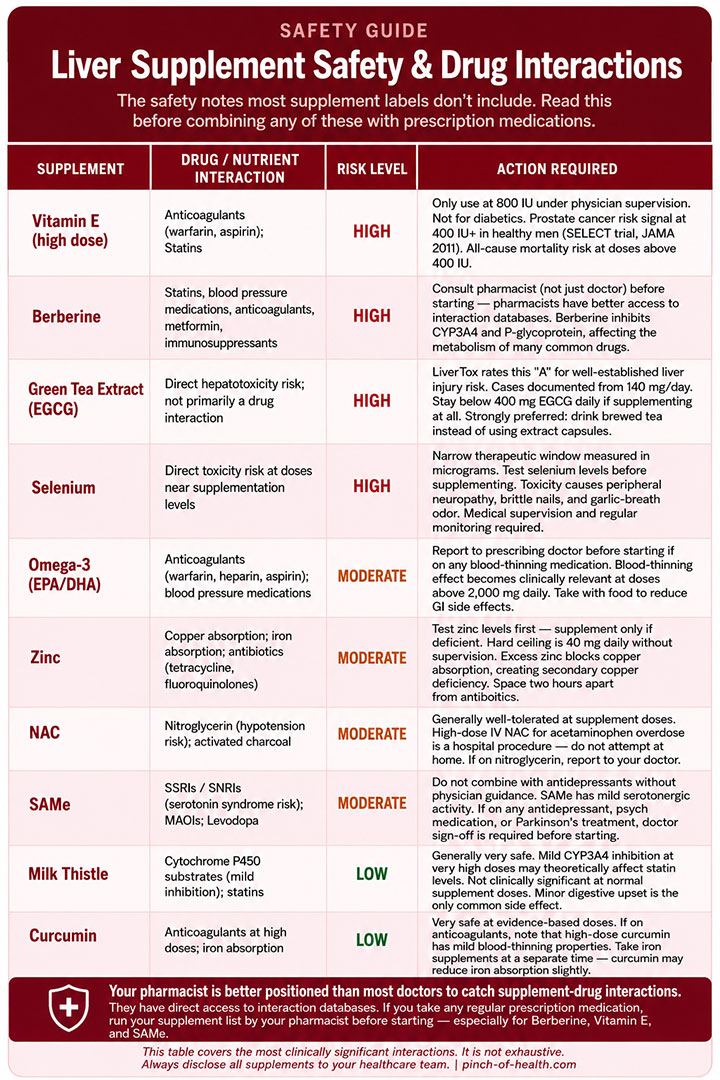
The drug interaction picture is the most important safety note. Berberine inhibits liver enzymes that metabolize many common prescription drugs, particularly statins, blood pressure medications, and anticoagulants. If you take any regular prescription medication, discuss berberine with your pharmacist before starting. Not your doctor alone: pharmacists have better access to interaction databases.
Typical dose is 500-1,500 mg daily, split into three doses with meals to reduce GI side effects.
10. Glycine
One human pilot study found that glycine improved markers of oxidative stress and liver function. The honest answer is that nobody has measured this properly yet in a large, well-controlled trial. The mechanism is plausible, as your liver uses glycine to produce glutathione and more substrate could in theory mean more antioxidant capacity. But plausible mechanisms have failed in larger trials often enough that this one warrants watching, not purchasing, until more data arrives.
Typical dose in early studies is 3-5 grams daily.
11. Alpha-Lipoic Acid (ALA)
ALA functions as a broad antioxidant across multiple tissues, and small controlled trials show modest improvements in NAFLD markers. The liver-specific benefit is real but not large compared to the supplements above it on this list. ALA is most likely useful as a supporting antioxidant in a multi-supplement approach under medical guidance, rather than as a standalone primary intervention.
Typical dose is 300-600 mg daily. Take on an empty stomach for better absorption.
12. Green Tea Extract (EGCG)
This entry is organized differently from the others, because the risk story here has to come first.
Concentrated green tea extract (the kind sold in capsule or powder form) has been documented in multiple published case reports to cause serious liver injury. The NIH’s LiverTox database classifies green tea extract as a well-established cause of clinically apparent liver injury (their highest rating), with cases ranging from acute hepatitis to liver failure requiring transplantation.
The European Food Safety Authority identified that EGCG doses above 800 mg daily carry real hepatotoxic risk in susceptible individuals. Individual case reports have documented liver damage from doses as low as 140 mg/day, pointing to significant variation in individual susceptibility.
The evidence that green tea catechins can reduce liver fat exists and is real. But consuming that evidence in high-dose extract form may be exposing yourself to the exact harm you’re trying to prevent. The same catechins that show benefit in studies (at beverage-level concentrations) can stress the liver when concentrated and delivered as a bolus dose.
The practical guidance is simple: drink green tea. Two to three cups daily provide antioxidant catechins at concentrations that are consistently safe and provide reasonable exposure to the beneficial compounds. Skip the extract capsules. If you’re determined to supplement, stay well below 400 mg of EGCG daily and monitor your liver enzymes, but the risk-to-benefit ratio here is genuinely poor when the alternative is a cup of tea.

Tier 4: Weak or Conditional Evidence
These are the supplements the liver supplement market sells most aggressively, often with the least to show for it. The human trial data is limited, mixed, or absent. Several only show benefit in people who are deficient in the relevant nutrient, meaning the supplement does nothing for anyone whose levels are already adequate. A few entries in this tier come with genuine safety considerations that the marketing language doesn’t mention at all.
13. Garlic Extract
Small studies show positive signals for reducing liver fat, but the research is too limited to draw conclusions. If garlic appeals to you as a dietary element, adding it to food is a reasonable culinary choice with no meaningful downside. Supplements at 400-1,200 mg daily of aged garlic extract have been used in studies, but the trial quality doesn’t justify a confident recommendation.
14. Betaine
Betaine helps transport fats out of liver cells through a mechanism similar to choline. Early work suggested modest fat reduction in fatty liver. Larger, better-controlled trials haven’t confirmed the early signals clearly enough. Typical dose in studies is 500-2,000 mg daily.
15. Vitamin C
The standalone evidence for Vitamin C and liver health is weak. Most studies that show benefit combine it with Vitamin E, making it impossible to attribute the result to either compound alone. Get Vitamin C from food (citrus, berries, bell peppers) rather than supplements, unless you have a documented deficiency.
16. Zinc
Zinc is conditional, not universal. Liver disease patients often lose zinc through urine, and deficiency is common in this population. If your zinc is low, supplementation makes clear sense and supports immune function and liver repair. If your zinc is normal, supplements won’t help. Get tested before buying. The safe ceiling without medical supervision is 40 mg daily. Excess zinc blocks copper absorption and creates a secondary copper deficiency.
17. Beetroot Extract
Pilot data from very small human studies exists, but there isn’t enough to recommend beetroot extract for liver disease. Eating whole beets in your diet is a reasonable choice and avoids the concentration risks that accompany any extract form.
18. Selenium
Selenium belongs in this tier not because the evidence is absent (deficiency is genuinely common in liver disease patients, and correcting it matters) but because the supplement is unusually dangerous to use without guidance. The therapeutic window between helpful and harmful is measured in micrograms. That’s not a figure of speech.
Excess selenium causes peripheral neuropathy, brittle nails, and a characteristic garlic-like odor on the breath: all symptoms that develop gradually and are easy to misattribute to other causes. At the doses found in many liver support blends, toxicity is a real possibility in someone whose baseline levels are already adequate.
Testing before supplementing is not optional here. It’s what separates this supplement from the others in this tier. If testing shows deficiency, supplementation under medical supervision with regular monitoring is appropriate. If it doesn’t, this one stays on the shelf.
19. Dandelion Root
Popular in traditional medicine across multiple cultures, but the human evidence simply isn’t there yet. Lab and animal studies show plausible mechanisms. None of it has translated to controlled human trials with meaningful results. File under “worth watching” rather than “worth buying.”
20. Ursodeoxycholic Acid (UDCA)
UDCA is not a supplement. It’s a prescription medication, FDA-approved for primary biliary cholangitis, and it works very well for that specific condition. Clinical trials have also confirmed it doesn’t work for NAFLD/MASLD. Using it without a prescription and medical supervision is both ineffective in most contexts and a misuse of a real pharmaceutical. If UDCA is right for your condition, you’ll be getting it from your hepatologist, not a supplement website.
Tier 4B: Vitamin D (Use Only If Deficient)
Low vitamin D is associated with worse liver disease outcomes across multiple conditions, and a significant portion of the general population is deficient. The direct evidence that supplementing vitamin D improves liver histology is still developing, but the case for correcting a deficiency is strong. Get your level tested: below 30 ng/mL indicates deficiency. If you’re low, typical supplementation runs 1,000-4,000 IU daily depending on baseline levels. If you’re not deficient, supplements won’t move your liver health in any meaningful direction.
Condition-Specific Supplement Recommendations
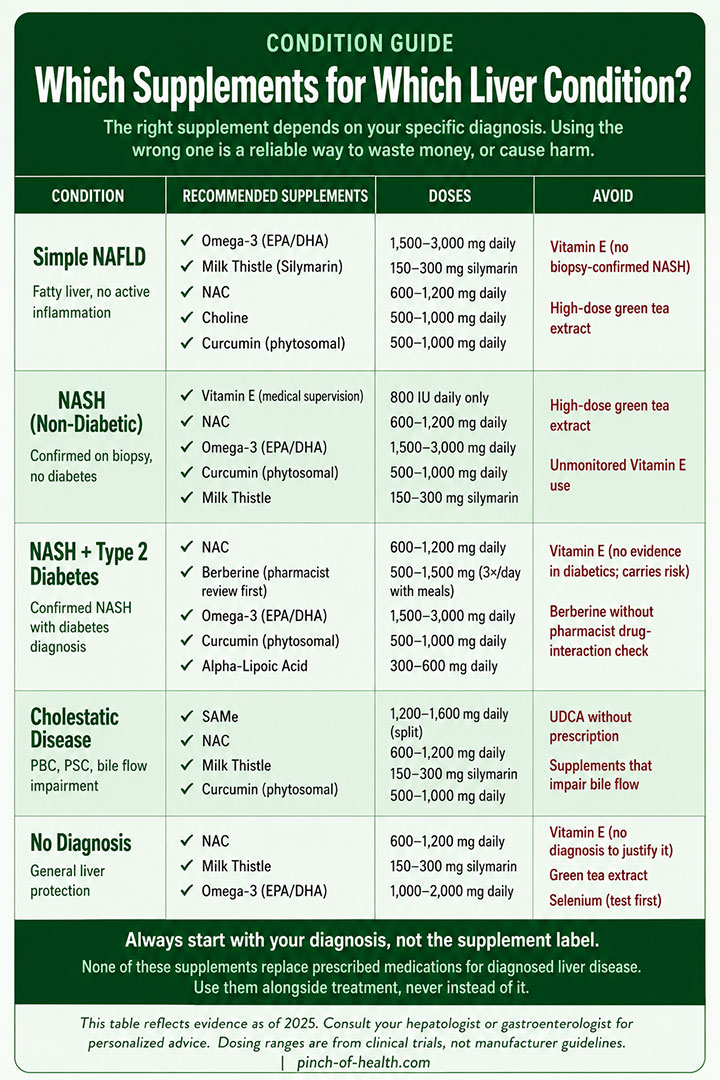
The right supplement depends on the specific liver condition. Here’s what the research supports for each situation.
For Simple NAFLD (Fatty Liver, No Inflammation)
Lifestyle changes first: they’re the most effective intervention at this stage. If adding supplements:
- Omega-3 fatty acids (1,500-3,000 mg daily)
- Milk Thistle silymarin (150-300 mg daily)
- NAC (600-1,200 mg daily)
- Choline (500-1,000 mg daily, or increase dietary intake)
- Curcumin, phytosomal form (500-1,000 mg daily)
Avoid Vitamin E at this stage. The evidence only applies to confirmed NASH. Avoid high-dose green tea extract.
For NASH (Non-Diabetic)
This is more serious. Supplement decisions here should be made with your doctor’s involvement.
- Vitamin E (800 IU daily, only under medical supervision with confirmed diagnosis)
- NAC (600-1,200 mg daily)
- Omega-3 fatty acids (1,500-3,000 mg daily)
- Curcumin, phytosomal form (500-1,000 mg daily)
- Milk Thistle (150-300 mg daily)
For NASH with Type 2 Diabetes
Skip Vitamin E. It doesn’t show the same benefit in diabetic patients and carries risks without the evidence to justify them.
- NAC (600-1,200 mg daily)
- Berberine (500-1,500 mg daily, with pharmacist review of drug interactions)
- Omega-3 fatty acids (1,500-3,000 mg daily)
- Curcumin, phytosomal form (500-1,000 mg daily)
- Alpha-Lipoic Acid (300-600 mg daily)
For Cholestatic Disease (PBC, PSC)
Prescription treatment is the foundation. Supplements support treatment but don’t replace it.
- SAMe (1,200-1,600 mg daily)
- NAC (600-1,200 mg daily)
- Milk Thistle (150-300 mg daily)
- Curcumin, phytosomal form (500-1,000 mg daily)
For General Liver Support (No Diagnosis)
If you have no diagnosed liver condition and are taking supplements for general protection, keep it simple. A few quality supplements beat a daily stack of ten mediocre ones.
- NAC (600-1,200 mg daily)
- Milk Thistle (150-300 mg daily)
- Omega-3 fatty acids (1,000-2,000 mg daily)
Supplement Recommendation Engine
EXISTING TOOL: Supplement Recommendation Engine | Keep existing interactive tool code in place. QA note: verify that Step 4 (dietary restrictions) displays options correctly before going live — this step rendered blank on the last review. –>
Lifestyle: The Non-Negotiable Foundation
The supplements on this list work (where they work) alongside a functioning lifestyle, not instead of one. If you’re taking a Tier 2 supplement and eating a high-sugar diet and not moving, the supplement isn’t going to compensate for what the rest of your day is doing to your liver.
The Mediterranean Diet for Liver Health
The Mediterranean eating pattern has the strongest and most consistent research support for liver health of any dietary approach. It’s not complicated or restrictive in the way elimination diets are. The structure is approximately 40-50% carbohydrates from whole grains and legumes, 25-30% healthy fats centered on olive oil, and 15-20% protein with an emphasis on fish and plant sources over red meat.
Olive oil is worth calling out specifically. Extra-virgin olive oil contains phenolic compounds that reduce liver inflammation in controlled studies. Two to three tablespoons daily as your main cooking fat is an evidence-supported choice, not just a dietary trend. Aim for fatty fish twice a week (salmon, sardines, mackerel, or trout) for the omega-3 content. If supplementing omega-3s, food sources still contribute and you may need less from capsules.
Foods to Prioritize
- Fatty fish: salmon, sardines, mackerel, trout, halibut
- Nuts and seeds: almonds, walnuts, chia seeds, flaxseeds
- Legumes: lentils, chickpeas, black beans, white beans
- Dark vegetables: spinach, kale, broccoli, Brussels sprouts, bell peppers
- Whole fruits: berries, citrus, apples, pears (whole fruit, not juice)
- Whole grains: oats, brown rice, quinoa
- Healthy oils: extra-virgin olive oil, avocado oil
Foods to Limit
- Fried foods, which deliver oxidized fats that increase liver cell stress
- Processed foods and deli meats, which are high in sodium and additives
- Refined carbohydrates (white bread, pastries, sugary cereals) which drive blood sugar spikes and increase fat storage in the liver
- Added sugars and sweetened drinks: the liver converts excess fructose directly into fat
- Alcohol: even moderate consumption worsens established liver disease
Weight Loss: The Most Powerful Intervention
No supplement on this list produces the magnitude of benefit that modest, sustained weight loss does in people who are overweight with NAFLD. This is not a motivational statement. It’s the quantified finding from a rigorous study.
Eduardo Vilar-Gomez and colleagues tracked 293 patients with histologically confirmed NASH through a 52-week lifestyle program at a tertiary center in Havana, comparing liver biopsy results before and after. The results followed a clear dose-response pattern.
A 5% reduction in body weight was enough to reduce hepatic steatosis (fat accumulation). Losing 7-10% of body weight improved lobular inflammation. Losing 10% or more produced the largest results: 90% of patients in this group experienced NASH resolution on biopsy, and 45% showed regression of fibrosis. The full study, published in Gastroenterology in 2015, remains one of the most cited pieces of evidence in NAFLD management.
A 10% reduction sounds large until you do the math. For a 200-pound person, that’s 20 pounds, achievable over 4-5 months at a sustainable deficit of 300-500 calories daily. That’s the baseline these supplements are designed to help you reach, not replace.
Exercise
You don’t need intense exercise for liver health. Moderate-intensity activity is just as effective as vigorous exercise for reducing liver fat. The target is 150 minutes of moderate activity weekly: brisk walking, swimming, cycling, dancing. Resistance training at least twice a week builds muscle, and muscle tissue improves insulin sensitivity, which reduces the fat storage pressure on the liver.
A 20-minute daily walk beats a gym membership you use twice in January.
Sleep and Stress
Your liver regenerates most during sleep. Poor sleep independently worsens liver disease outcomes and makes weight management harder. The goal is 7-9 hours nightly, with consistent timing. Chronic stress drives inflammation throughout the body (including in the liver) and is one of the harder lifestyle factors to address directly, but even 10 minutes of daily deep breathing has been shown to reduce cortisol levels in controlled studies.
Coffee and Your Liver
Coffee is one of the most-studied beverages for liver health, and the evidence is more consistent than many people expect. A 2016 meta-analysis in Alimentary Pharmacology and Therapeutics pooled data from nine studies and found regular coffee consumption was associated with reduced liver fibrosis progression and lower rates of cirrhosis across a range of liver conditions.
Subsequent cohort analyses have found the same pattern for ALT levels. The effect applies to both caffeinated and decaffeinated coffee, pointing to polyphenols and other compounds rather than caffeine as the likely mechanism.
This evidence is observational, meaning coffee hasn’t been tested in a randomized controlled trial for liver health the way Vitamin E has. But the consistency of the finding across different populations and study designs is notable.
Drinking two to three cups of filtered coffee daily is a practical and safe choice for most adults with liver disease, and some hepatologists now actively recommend it. This means regular brewed or filtered coffee, not high-dose caffeine supplements, and not coffee beverages loaded with added sugar.

Simple Liver-Friendly Recipes
These four recipes put the best-supported dietary elements from the section above into meals you can actually make. Each one maps directly to the supplement mechanisms the article covers, which means you may need less from capsules if you’re eating this way consistently.
Recipe 1: Omega-3 Baked Salmon with Roasted Vegetables
Why this supports the evidence: Salmon delivers the EPA and DHA from Tier 2’s omega-3 entry in the form your body absorbs best, with the fish-burp problem solved. This portion provides approximately 2,000-2,500 mg of omega-3s.
Ingredients (Serves 2):
- 2 salmon fillets (4 oz each)
- 2 cups broccoli florets
- 1 medium bell pepper, chopped
- 1 medium zucchini, sliced
- 2 tablespoons olive oil
- 1 lemon, sliced
- 2 cloves garlic, minced
- Sea salt and black pepper
- Fresh herbs (dill or parsley)
Instructions:
- Preheat oven to 400°F. Line a baking sheet with parchment paper.
- Toss vegetables with 1 tablespoon olive oil, garlic, salt, and pepper. Spread on half the baking sheet.
- Place salmon on the other half. Drizzle with remaining olive oil, season with salt, pepper, and herbs. Top with lemon slices.
- Bake for 15-18 minutes until salmon flakes easily and vegetables are tender.
Prep Time: 10 minutes | Cook Time: 18 minutes | Nutrition: 30g protein, approximately 2,000-2,500 mg omega-3s, 5g fiber
Recipe 2: Mediterranean Chickpea Salad
Why this supports the evidence: Extra-virgin olive oil delivers the phenolic compounds associated with reduced liver inflammation. Chickpeas contribute soluble fiber that feeds beneficial gut bacteria, and gut health directly affects liver health through the gut-liver axis.
Ingredients (Serves 4):
- 2 cans chickpeas (15 oz each), drained and rinsed
- 1 cucumber, diced
- 1 cup cherry tomatoes, halved
- 1 red bell pepper, diced
- 1/2 red onion, finely minced
- 1/4 cup fresh parsley, chopped
- 2 tablespoons fresh lemon juice
- 3 tablespoons extra-virgin olive oil
- 2 cloves garlic, minced
- Salt and pepper to taste
Instructions:
- Add chickpeas, cucumber, tomatoes, bell pepper, and onion to a large bowl.
- Whisk together lemon juice, olive oil, garlic, salt, and pepper in a small bowl.
- Pour dressing over vegetables and chickpeas. Toss thoroughly.
- Add fresh parsley and stir. Chill at least 30 minutes before serving.
Prep Time: 15 minutes | Chill Time: 30 minutes | Nutrition: 12g protein, 10g fiber
Make-Ahead Tip: Stores refrigerated for 3-4 days.
Recipe 3: Turmeric Lentil Soup
Why this supports the evidence: Cooked turmeric with fat-containing ingredients delivers curcumin in a more bioavailable form than powder alone. This recipe provides meaningful curcumin exposure alongside lentil protein and fiber, a practical alternative to phytosomal curcumin supplements for people who prefer food sources.
Ingredients (Serves 6):
- 1 cup dry lentils, rinsed
- 6 cups low-sodium vegetable broth
- 1 can diced tomatoes (14.5 oz)
- 1 medium onion, diced
- 3 cloves garlic, minced
- 1 tablespoon fresh ginger, minced
- 2 teaspoons turmeric powder
- 1 teaspoon cumin
- 2 tablespoons olive oil
- 1 cup spinach
- Sea salt and pepper
- Juice of 1 lemon
Instructions:
- Heat olive oil in a large pot over medium heat. Add onion and cook 5 minutes until softened. Add garlic and ginger, cook 1 minute more.
- Add turmeric and cumin. Stir for 30 seconds until fragrant.
- Add lentils, broth, and tomatoes. Bring to a boil, then reduce to a simmer.
- Cook 25-30 minutes until lentils are tender.
- Stir in spinach and lemon juice. Cook 2 more minutes until spinach wilts.
- Season to taste.
Prep Time: 10 minutes | Cook Time: 35 minutes | Nutrition: 18g protein, 15g fiber
Recipe 4: Green Tea and Walnut Smoothie
Why this supports the evidence: Brewed green tea provides catechins at safe beverage-level concentrations: no supplement-level doses involved. Walnuts contribute plant-based omega-3s (ALA). This is the version of green tea that the evidence supports and the liver injury risk profile doesn’t apply to.
Ingredients (Serves 2):
- 1 cup brewed green tea, cooled to room temperature
- 1 frozen banana
- 1 cup frozen blueberries
- 1/4 cup plain Greek yogurt (or dairy-free alternative)
- 1/4 cup raw walnuts
- 1 tablespoon raw honey
- 1/2 teaspoon vanilla extract
- Pinch of cinnamon
Instructions:
- Brew green tea and allow it to cool completely before blending.
- Combine all ingredients in a blender.
- Blend on high for 60-90 seconds until smooth.
- Serve immediately.
Prep Time: 5 minutes | Nutrition: 8g protein, 5g fiber
Supplement Quality: What to Actually Check
The supplement industry has minimal regulatory oversight compared to pharmaceuticals. “Liver support” on a label guarantees nothing about dose, purity, or whether the stated ingredient even reaches your bloodstream at therapeutic concentrations. A few checks separate quality products from marketing exercises.
Third-Party Testing Certifications
NSF Certified for Sport, USP Verified, and ConsumerLab approval all mean an independent organization has tested the product for label accuracy, purity, and absence of contaminants. If none of these seals appear on a liver supplement, the company hasn’t submitted to independent verification. That’s a useful data point.
Active Ingredient Concentration
A milk thistle label should state “standardized to 80% silymarin.” A curcumin label should specify “phytosomal” or “with piperine” and state the bioavailable curcumin content, not just the total curcumin. A product listing only a generic extract weight without specifying active compound percentage is providing very little useful information about what you’re actually taking.
Proprietary Blends
A label reading “Liver Support Complex 750 mg” without breaking down individual ingredients is hiding the dosing. When manufacturers list individual ingredient amounts, you can verify they match the doses used in actual trials. When they don’t, you can’t. Transparency about ingredient amounts is a reasonable baseline expectation.
Cost vs. Quality
The cheapest option often means less active ingredient, lower bioavailability, or less rigorous testing. Mid-range pricing from established companies with third-party certification tends to be the reliable zone. Very high prices don’t guarantee quality either. Look for the certification marks, not the marketing copy.
Red Flags: When to Stop and See Your Doctor Immediately
Stop any supplement and contact your doctor the same day if you experience any of the following. These are not mild side effects. They’re signs that something significant is happening with your liver.
- Yellowing of the skin or eyes (jaundice): indicates bilirubin is accumulating because the liver isn’t processing it
- Dark amber urine or pale, clay-colored stools: bile flow is disrupted
- Severe abdominal pain in the upper right area, lasting more than a few hours
- Unexplained bruising or bleeding that’s new or increasing: the liver makes clotting factors
- Extreme fatigue combined with mental confusion: a possible sign of hepatic encephalopathy
- New swelling in the legs or abdomen
- Fever combined with abdominal pain
Any supplement can cause liver injury in susceptible people, and this is documented for green tea extract, kava, black cohosh, and others outside this list. Your liver function baseline (that three-month testing protocol mentioned earlier) exists specifically to catch a problem before it becomes serious.
Timeline for Results: What to Expect
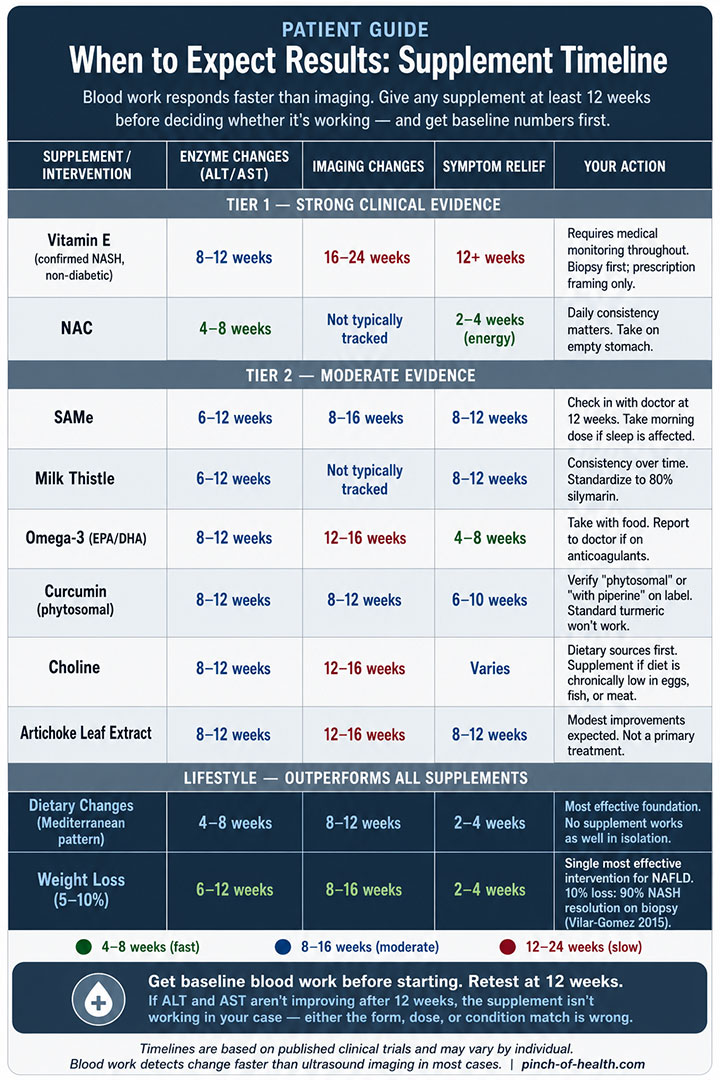
Give any supplement at least 12 weeks before deciding whether it’s working. Blood work is more sensitive to changes than imaging: expect enzyme changes to appear first.
Your Strategy for Liver Health
Seven rules is too many. The evidence points to three decisions that actually move the dial.
Match the Supplement to the Diagnosis
The most common supplement mistake is buying “liver support” products based on general wellness interest rather than a specific condition with specific evidence. Vitamin E is for non-diabetic, biopsy-confirmed NASH. SAMe is for cholestatic conditions. Omega-3s are for documented fatty liver. NAC can serve a supporting role across conditions. If you don’t know which tier is appropriate for your situation, start by getting baseline blood work and discussing your results with a doctor, not a supplement label.
Test at Baseline, Then at 12 Weeks
A supplement you can’t measure is a supplement you’re guessing about. Get ALT, AST, and bilirubin before starting. Retest at 12 weeks. If numbers aren’t improving, the supplement isn’t working in your case: either the form is wrong, the dose is wrong, or the condition doesn’t respond to it. Numbers don’t lie in the way that “feeling better” sometimes does.
No Supplement Does What 5-7% Weight Loss Does
The Vilar-Gomez data is clear on this. A 5-7% reduction in body weight reduces liver steatosis and, at 7-10%, improves active inflammation in NASH. The best-supported supplement on this list doesn’t come close to that effect size. Supplements are additions to lifestyle changes, not alternatives. If you’re choosing between spending money on a supplement stack and investing that time in the dietary changes that produce a 5-7% weight loss, the lifestyle change wins on the evidence.
Conclusion
The most useful thing this article contains isn’t a specific supplement recommendation. It’s the tier structure, because the distance between Tier 1 and Tier 4 on this list tells you something that no supplement label will.
The evidence base that supports Vitamin E for non-diabetic NASH is the kind of clinically rigorous work that earns a result. The evidence base that supports dandelion root for liver health is nearly zero. Most products share a shelf and similar marketing language regardless of where they’d fall on that spectrum.
Two supplements with real human evidence. A handful with promising early signals. And the finding that keeps repeating across every tier: the thing your liver responds to most reliably is still the thing you already know: less weight, more movement, less sugar. Supplements work inside that context, not around it.
FAQs
What Are the Early Warning Signs That Your Liver May Be Struggling?
Most early liver disease produces no symptoms at all. That’s what makes routine blood testing valuable: ALT and AST elevations often appear years before any physical symptoms do. When symptoms do appear, they tend to be nonspecific: persistent fatigue, mild discomfort or fullness in the upper right abdomen, and reduced tolerance for fatty or heavy meals.
More specific signs that warrant prompt medical attention include yellowing of the skin or whites of the eyes, dark amber urine, pale or clay-colored stools, and unexplained swelling in the legs or abdomen. If any of these are new or progressing, see a doctor rather than consulting a supplement label.
What Drink Actually Helps the Liver?
The market’s answer to this question (liver detox teas, herbal cleanse drinks, milk thistle blends in liquid form) has almost no clinical evidence behind it, and a few have been linked to liver injury from their own herbal constituents. The actual answer, which the market tends to suppress because it doesn’t require purchasing anything, is coffee.
Multiple large cohort studies associate two to three cups daily with lower ALT levels, slower fibrosis progression, and reduced cirrhosis rates in people with pre-existing liver disease. The effect appears to involve polyphenols rather than caffeine, since the association holds for decaf as well.
Water remains the sensible baseline. Green tea at beverage concentrations (two to three cups, not extract capsules) is a reasonable addition. But of all the things someone with liver disease might drink, the one with the most consistent research support is already in most people’s kitchens.
Can I Take Multiple Supplements Together?
Most combinations are safe, but taking ten supplements at once makes it impossible to know which one is causing any change, positive or negative. Start with one supplement. Add a second after two weeks if the first is well-tolerated.
Some combinations have known interaction concerns: iron and calcium compete for absorption (take them two hours apart), and berberine interacts with a wide range of prescription drugs (pharmacist review required). Your pharmacist is better positioned than most doctors to catch supplement-drug interactions, because they have direct access to interaction databases.
When Should I Stop a Supplement?
Stop immediately and contact your doctor if you develop jaundice (yellowing of skin or eyes), dark urine, pale stools, unexplained bruising, severe abdominal pain, or signs of an allergic reaction. Minor initial nausea, mild headache, or loose stools in the first few days sometimes resolve on their own with food. Try taking the supplement with a meal before stopping. If minor side effects persist beyond a week, stop and discuss with your doctor.
Will Supplements Replace My Liver Medication?
No. Never stop a prescribed medication to take a supplement instead. Supplements support treatment alongside prescribed therapy: they don’t replicate what prescription medications do pharmacologically. If you’re on a medication and considering adding a supplement, that conversation happens with your prescribing doctor, not independently. The risk of stopping a liver medication prematurely is real and well-documented.
Is It Safe During Pregnancy?
Most supplements haven’t been tested in pregnant people, which means the safety profile is simply unknown rather than established as safe. NAC and omega-3s are generally considered low-risk in pregnancy and are sometimes recommended for other reasons, but confirm with your obstetrician before taking anything. Berberine, green tea extract, and high-dose Vitamin E all have specific concerns in pregnancy and should be avoided unless directed by your doctor.
What About Alcohol Use?
Alcohol causes liver damage independently of what supplements you take. No supplement protects the liver from alcohol. This has been studied, and the answer is clear. If you have any diagnosed liver condition, your hepatologist’s standard recommendation is to stop alcohol entirely. If you drink regularly without a known liver condition, cutting back is the most impactful liver-health decision you can make, more than any supplement on this list.