Recent research suggests coffee might protect your brain from age-related decline. A study tracking 2.9 million adults over 60 found that moderate coffee drinkers had a 36% lower risk of developing dementia. The protective effects were strongest in women and appeared most powerful when the habit started in midlife.
The findings challenge the old view of coffee as merely a pick-me-up. Scientists now see it as a potential tool for maintaining cognitive health as we age.
Coffee for Brain Health: Quick Facts
| Question | Answer |
|---|---|
| Optimal daily amount | 2-3 cups (12-18 oz total) |
| Best time to drink | Morning through early afternoon (stop by 2 PM) |
| Who benefits most | Women over 65; anyone starting in midlife (45-65) |
| Best type | Fresh-ground coffee, minimal additives |
| Risk reduction | Up to 36-65% lower dementia risk with consistent use |
| Key compounds | Caffeine, chlorogenic acids, polyphenols |
| When to see effects | Protection builds over 10-20 years |
Why Two to Three Cups Hit the Sweet Spot
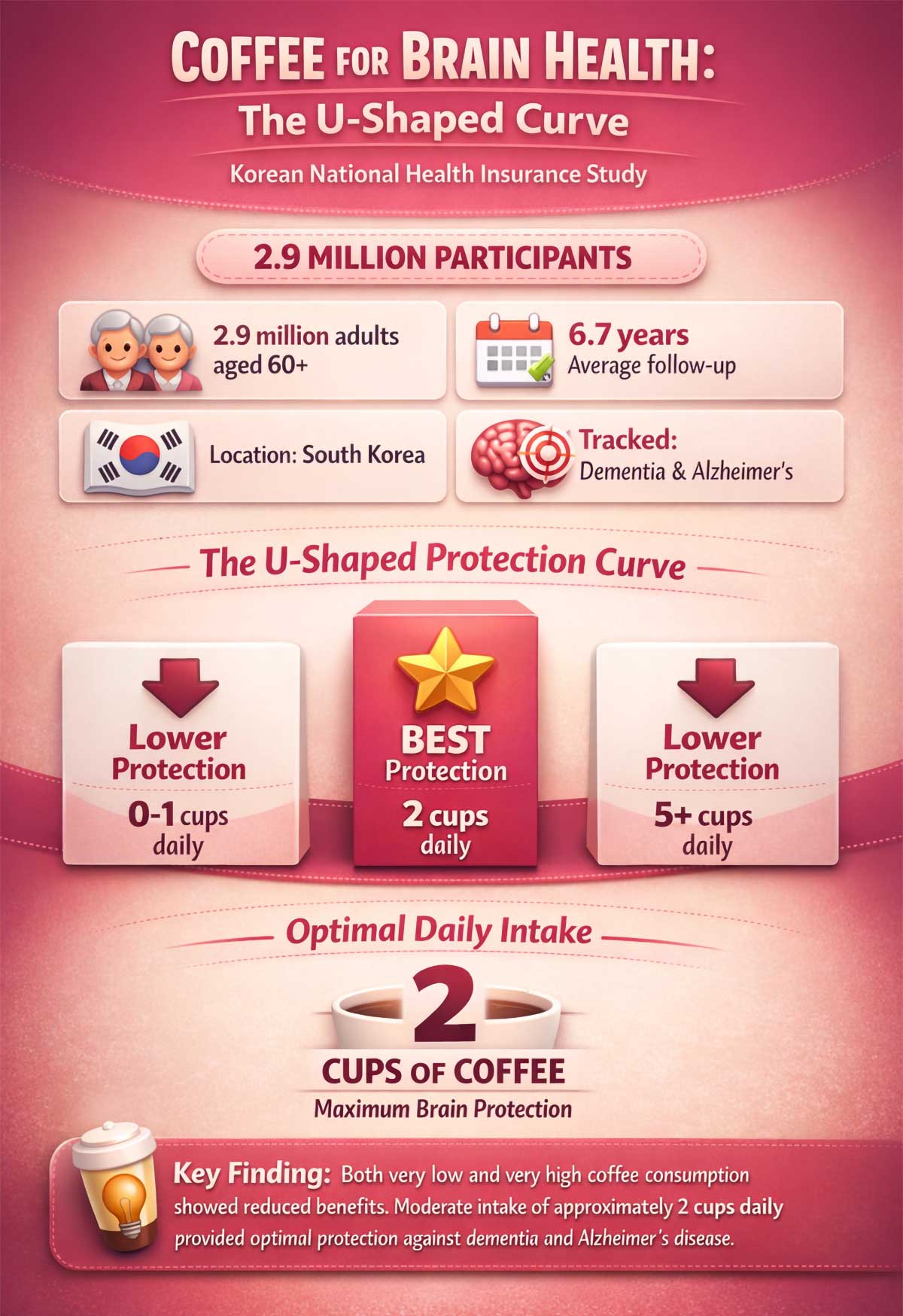
More coffee doesn’t mean more protection. The relationship between coffee and brain health follows what researchers call a U-shaped curve.
People who drink two to three cups daily show the strongest cognitive benefits. Those who drink less miss out on the full protective effects. Those who drink significantly more see diminishing returns.
The Korean National Health Insurance Service study (Kim et al., 2019) examined this pattern in extraordinary detail. Researchers tracked 2.9 million Korean adults aged 60 and older for an average of 6.7 years. The data revealed that moderate intake—approximately two cups daily—provided optimal protection against both dementia and Alzheimer’s disease. Both very low consumption and very high consumption showed reduced benefits compared to this middle range.
Think of it like watering a plant. Too little water and it wilts. Too much and the roots rot. The middle ground produces the healthiest growth.
How Much Caffeine Are You Really Getting?
| Coffee Type | Serving Size | Caffeine Content | Brain Health “Cups” |
|---|---|---|---|
| Home-brewed drip | 8 oz | 95-165 mg | 1 cup |
| Espresso shot | 1 oz | 47-75 mg | 0.5 cup |
| Americano (double shot) | 12 oz | 94-150 mg | 1 cup |
| Cold brew | 16 oz | 150-240 mg | 1.5-2 cups |
| Instant coffee | 8 oz | 27-173 mg | 0.5-1 cup |
| Starbucks Pike Place (Grande) | 16 oz | 310 mg | 2-2.5 cups |
| Decaf coffee | 8 oz | 2-15 mg | Minimal caffeine benefit |
Standard research defines one cup as six to eight ounces of brewed coffee. Your oversized mug might hold two or three “cups” in research terms. A grande from a coffee shop counts as about two cups. Track your actual ounces, not the number of containers you fill.
Most studies used regular caffeinated coffee. The protective compounds include both caffeine and other active ingredients we’ll discuss later.
KEY TAKEAWAY: The optimal dose for brain protection is 2-3 cups (12-18 oz) of coffee daily. More isn’t better—the protective effect follows a U-shaped curve where moderate intake provides maximum benefits.
Women Over 65 See the Strongest Protection
Research reveals something unexpected about coffee’s brain benefits. The protective effects appear more pronounced in women, particularly after menopause.
The Women’s Health Initiative Findings
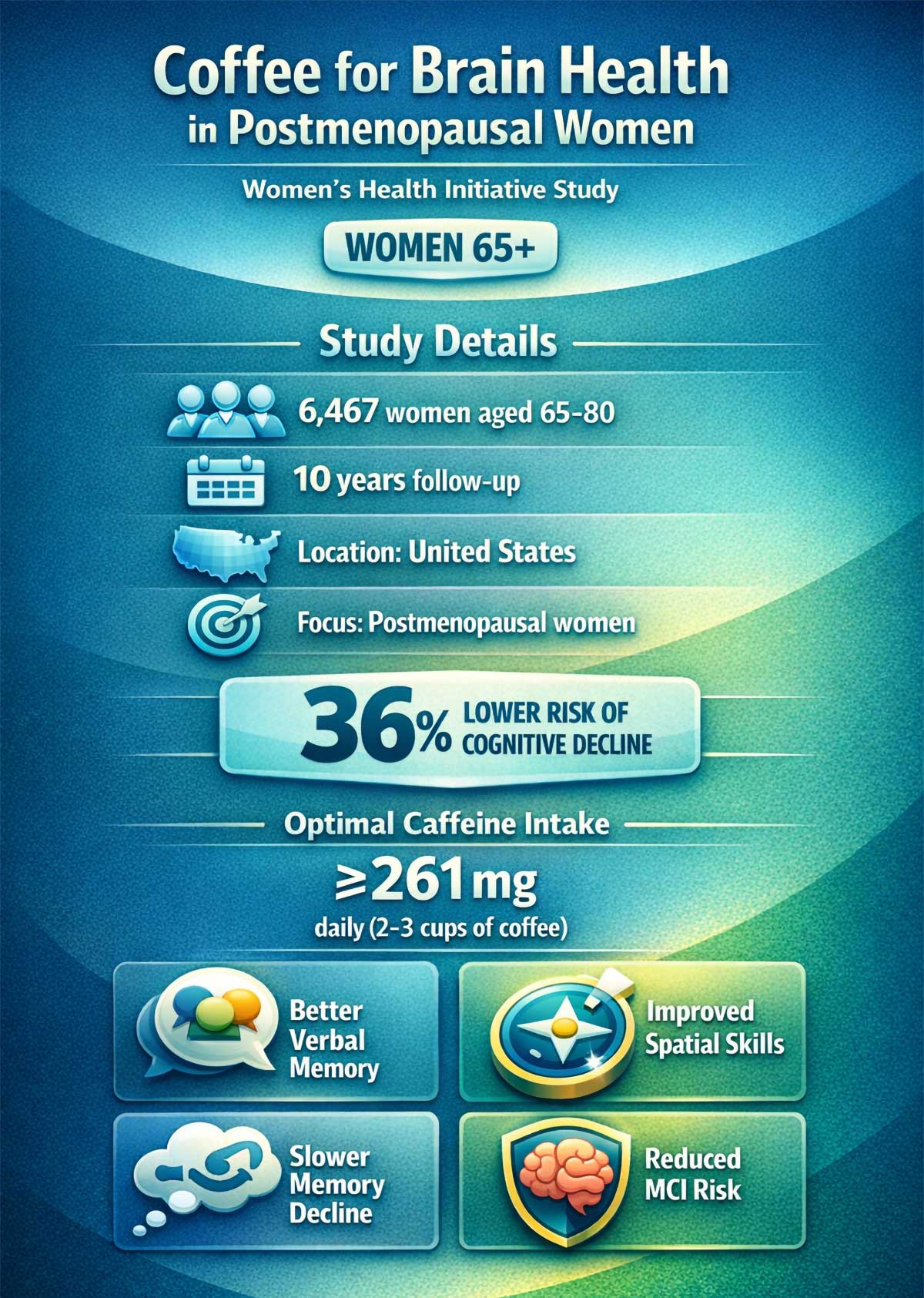
The Women’s Health Initiative Memory Study (Arab et al., 2011) published in The Journals of Gerontology tracked 6,467 postmenopausal women aged 65 and older for ten years. Women consuming at least 261 milligrams of caffeine daily—roughly two to three cups of coffee—showed 36% lower rates of probable dementia or mild cognitive impairment compared to those drinking minimal amounts (64 mg or less daily).
The Three City Study conducted in France (Santos et al., 2010) followed 7,017 participants aged 65 and older for four years. The results reinforced the gender difference. Women drinking three or more cups daily maintained significantly better verbal retrieval and visuospatial memory compared to those consuming one cup or less. Men in the same study didn’t show the same clear protective patterns.
Why Women Benefit More
Scientists point to possible interactions between caffeine and estrogen. After menopause, when estrogen levels drop, coffee’s protective compounds might help fill some gaps in brain protection. The hormonal changes that occur during and after menopause affect multiple brain systems, and coffee’s active ingredients appear to provide compensatory support.
The effects showed up most clearly in two key areas. First, verbal retrieval—the ability to recall words and names. Second, visuospatial memory—remembering locations and navigating spaces. Both skills often decline with age, and both improved in regular coffee drinkers.
Age-Specific Benefits for Women
Women in their late 60s and 70s showed the most dramatic benefits. But the habit needs to start earlier to build maximum protection.
For Postmenopausal Women:
Three cups appears optimal for this group based on multiple studies. The protective effects seem most robust when coffee consumption begins before or during the menopausal transition and continues consistently afterward.
If you’re using hormone replacement therapy, discuss coffee intake with your doctor. The combination may affect how your body processes both the hormones and the caffeine. Most women tolerate both well, but individual responses vary.
Bone health deserves attention in this age group. Coffee can interfere with calcium absorption, so ensure adequate calcium intake through diet or supplements. The cognitive benefits don’t require sacrificing bone health—both goals can coexist with proper nutrition.
For Men Over 50:
While the research shows stronger effects in women, men still benefit from moderate coffee consumption. The same 2-3 cup recommendation applies. The Korean study that tracked 2.9 million participants included both men and women, and both groups showed reduced dementia rates with moderate intake.
Men should pay attention to cardiovascular considerations. Coffee temporarily raises blood pressure in people who don’t drink it regularly. If you have uncontrolled hypertension, work with your doctor to manage it before adding coffee to your routine.
For People Under 50:
Starting the habit before midlife may provide the strongest long-term protection. The Finnish CAIDE study, which we’ll explore next, demonstrates that coffee consumption during your 40s, 50s, and early 60s predicts brain health decades later.
Women of childbearing age should follow current guidelines limiting caffeine during pregnancy and breastfeeding. The cognitive benefits don’t justify exceeding recommended limits during these periods.
KEY TAKEAWAY: Women over 65 gain the most protection from coffee, with 36% lower cognitive decline rates at 2-3 cups daily. The benefits appear strongest in verbal memory and spatial skills, likely due to interactions with postmenopausal hormonal changes.
What You Drink at 50 Shapes Your Brain at 70
The CAIDE study from Finland provided one of the most striking findings in coffee research. Scientists tracked 1,409 adults from midlife into their senior years—a full 21 years of follow-up.
The Midlife Connection
Published by Eskelinen and Kivipelto in 2010, this population-based cohort study examined coffee consumption patterns in people aged 50 to 65 years and then followed them for more than two decades. The results were remarkable: people who drank three to five cups daily during midlife had 65% lower rates of dementia and Alzheimer’s disease in late life compared to those who consumed little to no coffee (zero to two cups daily).

The timing matters enormously. Starting a coffee habit at 70 won’t deliver the same benefits. The protective effects need years to build up.
Building Cognitive Reserve
Scientists call this building “cognitive reserve.” Think of your brain like a bank account. Regular deposits of protective compounds create a buffer against future damage. By the time harmful proteins start accumulating in your 70s, your brain has defenses in place.
The midlife window from roughly 45 to 65 appears critical. Brain changes associated with Alzheimer’s start decades before symptoms appear. Coffee’s compounds seem to slow or reduce these early changes.
What happens during those two decades? Coffee’s antioxidants reduce inflammation in brain tissue. They help clear out damaged proteins. They protect neurons from oxidative stress. These small daily effects compound over years into significant protection.
Your Brain Protection Timeline
Week 1-4: Immediate Effects
Within 30 minutes of drinking coffee, caffeine crosses the blood-brain barrier. You feel more alert and focused. Short-term memory improves slightly. Mood lifts as dopamine activity increases. These acute effects happen with every cup but represent just the beginning of coffee’s brain benefits.
Months 3-6: Building Protection
Consistent daily intake starts producing measurable changes. Markers of brain inflammation begin to decrease. Blood flow to brain tissue improves as coffee’s compounds support vascular health. The cellular cleaning process called autophagy becomes more efficient. You won’t feel these changes, but they’re laying groundwork for long-term protection.
Years 1-5: Early Defense
Neuroprotective compounds accumulate in brain tissue. Oxidative stress damage—the cellular wear and tear that accelerates aging—decreases. Your brain builds cognitive reserve, essentially creating extra capacity to withstand future damage. The protective effects are establishing themselves but haven’t yet shown up as reduced disease rates.
Years 10-20: Long-Term Benefits
This is where the dramatic statistics come from. After a decade or more of consistent moderate intake, dementia and Alzheimer’s rates drop by 36-65% compared to minimal coffee drinkers. The protection against protein accumulation, inflammation, and vascular damage pays off. Cognitive decline still happens with age, but it occurs more slowly.
Age 70+: Reaping Benefits
People who maintained their coffee habit from midlife show better memory retention than peers who drank little coffee. Verbal fluency—the ability to find words quickly—remains stronger. Visuospatial skills that help with navigation and spatial reasoning decline less rapidly. The decades of daily coffee consumption created resilience against age-related cognitive losses.
The Finnish CAIDE study used standard brewed coffee. Participants drank it black or with minimal additions. The habit was consistent—daily intake over many years, not sporadic consumption.
KEY TAKEAWAY: Coffee consumption during midlife (ages 45-65) reduces dementia risk by up to 65% two decades later. The protective effects require years to build, making consistency more important than any single cup.
Ground Coffee Versus Instant: The Brewing Method Matters
Not all coffee delivers the same brain-protective punch. How you prepare your coffee affects which beneficial compounds make it into your cup.
The UK Biobank Discovery
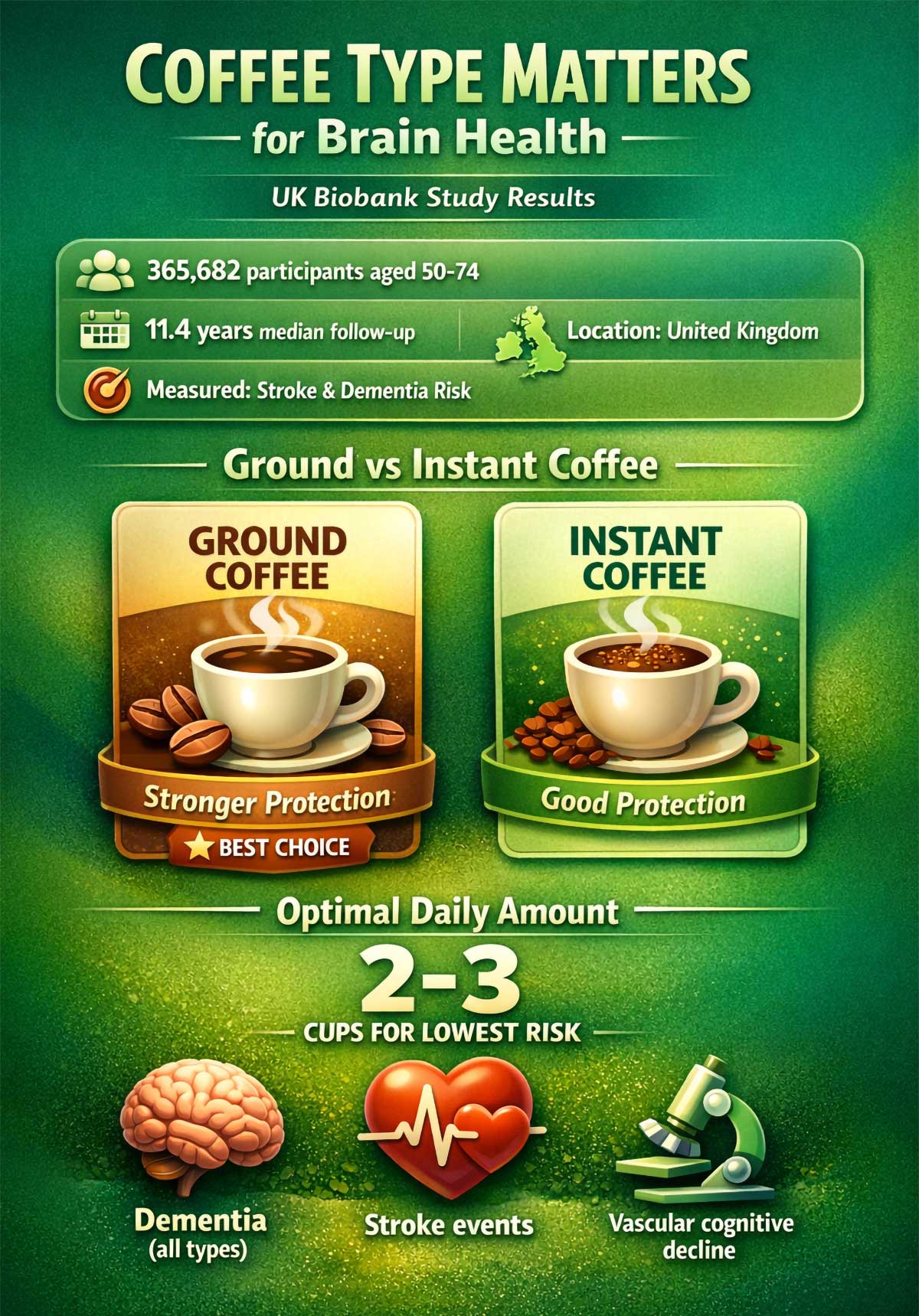
A massive study using the UK Biobank database (Zhang et al., 2021) analyzed 365,682 adults aged 50 to 74 over a median follow-up of 11.4 years. Researchers distinguished between different coffee types and found meaningful differences in outcomes.
Participants consuming two to three cups of ground coffee daily had the lowest risk of both stroke and dementia. Ground coffee showed stronger associations with reduced dementia risk compared to instant coffee. Both types offered some protection, but ground coffee came out ahead in the analysis.
Why Processing Matters
The reason lies in how coffee is processed. Ground coffee contains higher levels of diterpenes—compounds that may support brain health. Different roasting and brewing methods preserve or destroy these beneficial molecules.
Lighter roasts retain more chlorogenic acids, powerful antioxidants that reduce brain inflammation. Dark roasts have less, though they’re not without benefits. The roasting process creates different compounds with their own protective properties. Both work, but lighter roasts preserve more of the original antioxidant content.
Instant coffee goes through additional processing that removes some beneficial oils. The coffee is brewed, then the water is removed through freeze-drying or spray-drying. This extra step strips away compounds that remain in fresh-brewed coffee. Instant coffee is still better than no coffee, but fresh-brewed ground coffee delivers more brain-protective compounds per cup.
Brewing Methods Compared
The brewing method also matters. Paper filters trap some beneficial oils that metal filters let through. French press coffee contains more diterpenes than drip coffee made with paper filters. Espresso sits somewhere in between. Pour-over methods with paper filters produce clean coffee but remove some of the oils.
Does this mean you need to switch your coffee routine? Not necessarily. The most important factor is consistency. Drinking instant coffee daily still offers protection. But if you’re choosing a new coffee habit specifically for brain health, fresh-ground coffee brewed without paper filters maximizes the beneficial compounds.
How to Choose Quality Coffee
Many people don’t know what “quality” means in practical terms when selecting coffee for health benefits.
Storage Matters:
Buy whole beans and grind them fresh before brewing. The grinding process exposes more surface area to oxygen, which degrades beneficial compounds. Whole beans stay fresh longer.
Store coffee in an airtight container away from light, heat, and moisture. A cool, dark cupboard works well. Avoid keeping coffee in the refrigerator or freezer—the temperature changes create condensation that damages the beans.
Use coffee within two to four weeks of the roast date. Fresher coffee retains more antioxidants and tastes better.
Roast Date Awareness:
Look for the roast date on the packaging. Coffee is a perishable product, and the date tells you how fresh it is. Avoid coffee without date information—it’s likely been sitting on shelves for months.
Specialty coffee shops and roasters typically provide roast dates. Supermarket coffee sometimes does, but not always. When given a choice, pick the most recently roasted option.
Organic Considerations:
Coffee ranks among the most heavily treated crops for pesticides. Organic certification means the coffee was grown without synthetic pesticides or fertilizers.
Organic coffee may reduce your exposure to chemicals, though the health impact of pesticide residues in conventional coffee remains debated. Organic certification isn’t required for brain benefits, but some people prefer it for overall health reasons.
Single-Origin vs. Blends:
Both single-origin coffees and blends offer brain-protective benefits. Single-origin coffee comes from one country or region and often has more distinctive polyphenol profiles. Blends combine beans from multiple origins to create consistent flavor.
For brain health purposes, consistency matters more than origin. Find a coffee you enjoy and can afford to drink daily. The best coffee for your brain is the one you’ll actually drink every day for years.
The Clean Coffee Rule
One crucial note applies regardless of brewing method: skip the artificial creamers and excess sugar. The protective effects depend partly on coffee’s anti-inflammatory properties. Sugar and processed additives trigger inflammation, potentially canceling out coffee’s benefits.
A splash of milk or cream is fine. A teaspoon of sugar won’t destroy the benefits. But heavy sweeteners, flavored syrups, and artificial creamers undermine the goal. Keep your coffee as clean as possible.
KEY TAKEAWAY: Fresh-ground coffee brewed without paper filters provides more brain-protective compounds than instant coffee. Store whole beans properly, use within 2-4 weeks of roasting, and keep additions minimal for maximum cognitive benefits.
Beyond the Buzz: How Coffee Protects Your Brain
Caffeine gets most of the attention, but it’s only part of the story. Coffee contains over a thousand different compounds, many with direct effects on brain health.
Chlorogenic Acids: Your Brain’s Anti-Inflammatory Shield
Chlorogenic acids rank among the most important non-caffeine compounds in coffee. These powerful antioxidants reduce oxidative stress and inflammation in brain tissue.
Chronic inflammation damages neurons and speeds cognitive decline. The process happens slowly over years. Inflammatory molecules accumulate, harming cell membranes and disrupting normal brain function. Chlorogenic acids interrupt this damaging cycle.
A comprehensive umbrella review by Poole et al. (2017) analyzed 201 meta-analyses covering multiple health outcomes. Published in the BMJ, this review found that coffee consumption—particularly three to four cups daily—consistently linked to reduced risk of neurological conditions. The anti-inflammatory properties of compounds like chlorogenic acids appeared central to these protective effects.
Autophagy: Coffee’s Cellular Cleaning Power
Coffee triggers autophagy—your brain’s cleaning system. Think of autophagy as a cellular recycling program. It breaks down and removes damaged proteins, including the misfolded proteins that accumulate in Alzheimer’s disease.
As we age, autophagy becomes less efficient. Damaged proteins pile up faster than cells can clear them. This accumulation contributes to cognitive decline. Regular coffee consumption helps keep this cleaning system running efficiently.
The process happens at the cellular level. Coffee’s compounds activate specific pathways that signal cells to begin breaking down and recycling damaged components. The brain literally cleans itself more effectively with regular coffee intake.
Vascular Protection: Better Blood Flow, Better Brain
Coffee’s polyphenols protect blood vessels throughout your body, including the tiny capillaries feeding your brain. Better blood flow means better oxygen and nutrient delivery to brain cells. Poor circulation contributes to vascular dementia, the second most common type of cognitive decline.
The UK Biobank study that distinguished between coffee types also examined stroke risk. Participants drinking two to three cups of ground coffee daily had the lowest stroke rates. Since strokes damage brain tissue and accelerate dementia, this vascular protection adds another layer of defense.
Blood vessel health affects cognitive function in ways people often overlook. Even small improvements in circulation can make meaningful differences in how well your brain operates. Coffee supports the entire vascular system, creating benefits that extend to cognitive health.
The Neurotransmitter Connection
Coffee affects multiple neurotransmitter systems simultaneously. It blocks adenosine receptors, which keeps you alert. It increases dopamine activity, supporting mood and motivation. It may help maintain the balance of brain chemicals that decline with age.
The interaction with adenosine explains why coffee makes you feel awake. Adenosine builds up during the day, creating the sensation of tiredness. Caffeine blocks adenosine from binding to its receptors, preventing that tired feeling.
But coffee does more than block sleepiness. It influences the release and activity of several neurotransmitters involved in memory, learning, and emotional regulation. These effects contribute to both the immediate cognitive boost and the long-term protective benefits.
The Synergistic Effect
The combination of all these mechanisms creates a robust protective effect. No single compound does all the work. The synergy between caffeine, antioxidants, and other active ingredients produces the cognitive benefits researchers observe.
A meta-analysis by Chen et al. (2020) examined 11 prospective cohort studies with follow-up periods reaching 28 years. The analysis revealed a non-linear dose-response relationship, with optimal protective effects appearing at one to two cups daily for cognitive disorders. The researchers noted that coffee’s multiple mechanisms of action likely contributed to its consistent benefits across different populations and study designs.
This is why decaf coffee shows weaker but still present benefits in some studies. The caffeine matters, but so do the other compounds. Full-strength coffee with its complete mix of ingredients provides maximum protection.
KEY TAKEAWAY: Coffee protects your brain through multiple mechanisms: reducing inflammation via chlorogenic acids, triggering cellular cleaning through autophagy, improving blood flow with vascular support, and balancing neurotransmitters. The combined effect is stronger than any single compound.
Brain-Healthy Coffee Recipes
You don’t need to drink plain black coffee to get brain benefits. These recipes maintain the protective compounds while adding variety and additional health-supporting ingredients.
Mediterranean Brain Booster
This recipe combines coffee with extra virgin olive oil, a staple of the Mediterranean diet that supports polyphenol absorption.
Ingredients:
- 8 oz fresh-brewed coffee
- 1 tsp extra virgin olive oil
- Dash of cinnamon
- Optional: 1 tsp raw honey
Instructions: Brew your coffee as usual. While hot, add the olive oil and stir vigorously or blend for 10 seconds until the oil emulsifies into the coffee. Add cinnamon and honey if desired. The olive oil adds healthy fats that help your body absorb coffee’s fat-soluble compounds. Cinnamon provides additional anti-inflammatory benefits.
Cognitive Performance Latte
Turmeric adds powerful anti-inflammatory compounds that complement coffee’s brain-protective properties.
Ingredients:
- 8 oz strong-brewed coffee
- 4 oz unsweetened almond milk (or milk of choice)
- 1/2 tsp turmeric powder
- Pinch of black pepper
- 1/4 tsp vanilla extract
Instructions: Brew a strong cup of coffee. Heat the almond milk in a small pot with turmeric and black pepper, whisking to combine. The black pepper enhances curcumin absorption from turmeric by up to 2,000%. Add vanilla extract. Pour the turmeric milk into your coffee and stir well. The golden color looks appealing, and the combination supports brain health from multiple angles.
Antioxidant Cold Brew
Cold brewing reduces acidity while preserving antioxidants. This refreshing version adds vitamin C to boost antioxidant absorption.
Ingredients:
- 1 cup cold brew concentrate
- 1 cup cold water or ice
- Squeeze of fresh lemon
- Fresh mint leaves
Instructions: Mix cold brew concentrate with cold water to your preferred strength. Add a generous squeeze of fresh lemon juice. The vitamin C in lemon enhances absorption of coffee’s polyphenols. Add fresh mint leaves and let steep for 2-3 minutes. Mint adds a refreshing flavor without sugar.
Cinnamon Spice Coffee
Cinnamon offers blood sugar regulation benefits that complement coffee’s effects.
Ingredients:
- 8 oz brewed coffee
- 1/2 tsp ground cinnamon
- 1/4 tsp vanilla extract
- Optional: splash of unsweetened coconut milk
Instructions: Add cinnamon to your coffee grounds before brewing for better flavor integration. After brewing, add vanilla extract. Top with a small splash of coconut milk if desired. Cinnamon helps regulate blood sugar, which supports brain health by preventing insulin resistance.
Each recipe keeps sugar minimal and focuses on additions that enhance rather than diminish coffee’s brain-protective properties. Feel free to adjust ingredients to your taste while maintaining the core principle: clean coffee with health-supporting additions.
KEY TAKEAWAY: Brain-healthy coffee recipes can add variety while maintaining protective benefits. Focus on anti-inflammatory spices like cinnamon and turmeric, healthy fats from olive oil or coconut, and avoid heavy sweeteners that trigger inflammation.
Building Your Brain-Healthy Coffee Routine
Knowing coffee helps your brain is one thing. Using it strategically is another. Here’s how to structure your coffee habit for maximum cognitive benefit.
The No-Sugar Rule
Drink your coffee black or with minimal additions. A splash of milk is fine. A teaspoon of sugar won’t destroy the benefits. But heavy sweeteners and flavored creamers introduce problems.
Sugar spikes insulin levels. Chronic insulin resistance increases dementia risk. The brain becomes less responsive to insulin signals, a condition some researchers call “type 3 diabetes.” This metabolic dysfunction contributes to cognitive decline.
The irony is clear: adding several teaspoons of sugar to your brain-healthy coffee potentially undermines the very benefits you’re seeking. Keep your coffee as clean as possible.
Timing for Circadian Health
Stop drinking coffee by early afternoon. The general recommendation is no caffeine after 2 PM. Caffeine has a half-life of about five hours, meaning it takes that long for your body to eliminate half of what you consumed. An afternoon cup might still affect your sleep at night.
Deep sleep is critical for memory consolidation. During sleep, your brain processes and stores information from the day. It also clears out waste products, including proteins linked to Alzheimer’s. Poor sleep undermines cognitive health regardless of what else you do right.
Don’t let late coffee disrupt this essential process. Your last cup should be early enough that caffeine clears your system before bedtime. Most people sleep better when they stop coffee intake by early to mid-afternoon.
Strategic Pairing with Mediterranean Diet
Pair your coffee habit with other brain-healthy choices. Research shows the Mediterranean diet combined with moderate coffee creates what scientists call a synergistic effect. Olive oil, fish, vegetables, and coffee work together better than any single intervention alone.
A study examining combined dietary patterns found that people who followed multiple healthy habits—including moderate coffee consumption and Mediterranean-style eating—had dramatically lower cognitive decline rates than those who adopted only one healthy behavior.
The Mediterranean diet emphasizes:
- Olive oil as the primary fat source
- Abundant vegetables and fruits
- Fish and seafood several times weekly
- Nuts and legumes regularly
- Moderate wine consumption (optional)
- Limited red meat and processed foods
Add consistent coffee to this pattern and you’ve created a powerful brain-protection strategy.
Consistency Over Perfection
Stay consistent. The protective benefits build up over years of regular consumption. Sporadic coffee drinking won’t deliver the same results as a steady daily habit.
This doesn’t mean you can never skip a day. Life happens. But aim for daily consumption most days of the week, year after year. The longitudinal studies showing dramatic benefits tracked people who maintained their coffee habits for decades.
Tracking Your Intake
Watch your total intake. Two to three cups daily hits the sweet spot. More than four or five cups might bring unwanted side effects without additional brain benefits.
Track your consumption for a week to see where you actually stand. Many people underestimate or overestimate their intake. Use the caffeine content table provided earlier to calculate your true daily consumption in research-equivalent cups.
Quality Over Convenience
Choose quality coffee when possible. Fresh beans, proper storage, and good brewing techniques preserve beneficial compounds. Coffee that’s been sitting in a pot for hours loses some of its potent antioxidants.
This doesn’t mean you need expensive equipment or premium beans. But whole beans ground fresh beat pre-ground coffee. Properly stored coffee beats coffee exposed to air, light, and heat. Small improvements in quality add up over years of daily consumption.
KEY TAKEAWAY: Maximize coffee’s brain benefits by drinking 2-3 cups daily before 2 PM, keeping additions minimal, pairing with Mediterranean diet, and maintaining consistency over years. Quality and timing matter as much as quantity.
When Coffee Might Not Work for You
Coffee isn’t right for everyone, even with its cognitive benefits. Certain situations call for caution or modification.
Genetic Caffeine Metabolism
Some people metabolize caffeine slowly due to genetic variations in the CYP1A2 gene. If coffee makes you jittery, anxious, or unable to sleep even with morning-only consumption, you might be a slow metabolizer.
The cognitive benefits don’t outweigh persistent anxiety or poor sleep. Both anxiety and sleep deprivation harm brain health more than coffee helps it. Listen to your body’s signals.
Fast metabolizers clear caffeine quickly and tolerate higher amounts. Slow metabolizers feel effects longer and more intensely. Neither is better or worse—they’re just different. Adjust your intake accordingly.
Bone Density Concerns
Coffee can interfere with calcium absorption and potentially affect bone density. This concern is particularly relevant for people over 50, especially postmenopausal women already at higher risk for osteoporosis.
If you have osteoporosis or low bone density, talk with your doctor about coffee consumption. You might need to ensure adequate calcium intake—typically 1,200 mg daily for women over 50 and men over 70.
Taking calcium supplements at a different time from coffee consumption helps. Wait at least an hour after drinking coffee before taking calcium. Or take calcium at night if you drink coffee in the morning.
The bone health concern doesn’t mean you must avoid coffee. It means paying attention to overall calcium and vitamin D intake while enjoying your coffee habit.
Digestive Health Issues
Coffee increases stomach acid production. People with acid reflux, ulcers, or gastritis might find coffee worsens their symptoms.
Managing digestive health takes priority over potential cognitive benefits. A healthy gut contributes to brain health through the gut-brain axis. Chronic digestive inflammation can negatively impact cognitive function.
If coffee consistently causes digestive problems despite trying low-acid varieties and cold brew, consider whether the trade-off makes sense for you.
Blood Pressure Considerations
Coffee causes temporary blood pressure increases in people who don’t drink it regularly. Regular drinkers typically develop tolerance, and coffee doesn’t raise their baseline blood pressure.
However, uncontrolled high blood pressure requires caution. If your blood pressure is not well-managed, address that issue first before adding coffee to your routine.
Once blood pressure is controlled with medication or lifestyle changes, moderate coffee consumption is generally safe. Discuss with your doctor to make an informed decision for your situation.
Pregnancy and Breastfeeding
Current guidelines recommend limiting caffeine to 200 mg daily during pregnancy—about one 12-ounce cup of coffee. Some practitioners suggest avoiding it entirely during the first trimester.
The cognitive benefits don’t justify exceeding pregnancy safety guidelines. Fetal health comes first. The long-term brain protection coffee offers you personally doesn’t apply to pregnancy, where different concerns take precedence.
While breastfeeding, small amounts of caffeine pass into breast milk. Most babies tolerate moderate maternal caffeine consumption without problems
. But some infants become fussy or have sleep disruptions. Watch your baby’s response and adjust accordingly.
Medication Interactions
Caffeine interacts with numerous medications. Check with your pharmacist about potential interactions with any drugs you take regularly.
Common interactions include:
- Stimulant medications (additive effects)
- Some antibiotics (slow caffeine metabolism)
- Certain asthma medications (increased side effects)
- Blood thinners (potential interactions)
- Antidepressants (varied interactions depending on type)
Don’t assume coffee is harmless just because it’s a common beverage. It’s pharmacologically active and can affect how your body processes medications.
Anxiety and Sleep Disorders
Coffee can worsen anxiety disorders. If you have diagnosed anxiety or panic disorder, caffeine might trigger or intensify symptoms.
The relationship between coffee and anxiety is complex. Some people with anxiety tolerate coffee well. Others find even small amounts problematic. Your individual response matters more than general guidelines.
Sleep disorders are another consideration. If you have insomnia or other sleep problems, caffeine consumption—even early in the day—might contribute. Prioritize solving sleep issues before adding coffee for brain benefits.
Quality sleep protects cognitive health more powerfully than coffee. If you must choose between good sleep and coffee consumption, choose sleep every time.
The Decaf Alternative
What if you want coffee’s benefits but can’t tolerate caffeine? Decaf offers a partial solution.
Studies show mixed results for decaf coffee. Some research finds protective effects, others show minimal benefit. Decaf retains antioxidants and polyphenols but loses the caffeine-specific mechanisms.
Decaf provides perhaps 60-70% of regular coffee’s brain-protective benefit. That’s better than nothing. If caffeine causes problems for you, decaf is worth drinking.
Choose decaf processed with the Swiss Water method or CO2 method rather than chemical solvents when possible. These processes preserve more beneficial compounds.
KEY TAKEAWAY: Coffee isn’t appropriate for everyone. Slow caffeine metabolizers, people with anxiety or sleep disorders, those with uncontrolled blood pressure, and pregnant women should exercise caution or avoid coffee. Prioritize overall health over any single intervention.
Coffee Myths Debunked
Several persistent myths about coffee deserve clarification based on current evidence.
Myth 1: “Coffee dehydrates you”
Reality: The fluid in coffee contributes to your daily hydration needs. You’d need to consume five or more cups before the mild diuretic effects outweigh the fluid intake.
A study examining hydration status in regular coffee drinkers found no difference in hydration markers compared to water consumption. Your morning coffee counts toward your daily fluid intake.
The diuretic effect is real but modest, and your body adapts to regular caffeine consumption. Regular coffee drinkers develop tolerance to caffeine’s diuretic properties within a few days.
Myth 2: “Dark roast has more caffeine”
Reality: Light roasts typically contain slightly more caffeine than dark roasts. The roasting process breaks down caffeine molecules, so longer roasting times reduce caffeine content.
The difference is modest—maybe 10-15% between very light and very dark roasts. Most people won’t notice the difference in effects.
Dark roasts taste stronger and more bitter, which creates the impression of higher caffeine. But taste intensity doesn’t correlate with actual caffeine content.
Myth 3: “Coffee stunts growth in children”
Reality: No scientific evidence supports this claim. The concern likely stemmed from outdated worries about bone health and calcium absorption.
That said, children don’t need caffeine, and coffee isn’t recommended for kids. But the growth-stunting myth specifically is unfounded.
The recommendations against coffee for children focus on caffeine’s effects on developing nervous systems, sleep patterns, and behaviors—not physical growth.
Myth 4: “You build tolerance, so benefits disappear”
Reality: While you adapt to caffeine’s acute stimulant effects, the neuroprotective compounds continue working. The long-term studies showing brain benefits tracked people who drank coffee daily for decades. These regular drinkers had built complete tolerance to caffeine’s stimulant effects but still showed dramatic protection against dementia.
The antioxidants, anti-inflammatory compounds, and vascular benefits don’t diminish with tolerance. They work through different mechanisms than the alertness effects.
You might not feel as “buzzed” from your third year of daily coffee as you did the first week. But the cellular-level protection continues accumulating regardless of subjective feelings.
Myth 5: “Coffee causes heart problems”
Reality: Moderate coffee consumption doesn’t increase heart disease risk in most people. Large studies show either neutral or slightly protective cardiovascular effects.
The umbrella review by Poole et al. (2017) found that three to four cups daily was associated with reduced cardiovascular mortality compared to no coffee consumption.
People with specific cardiac arrhythmias might need to limit caffeine. But for the general population, moderate coffee consumption fits within a heart-healthy lifestyle.
Myth 6: “Coffee is addictive like drugs”
Reality: Caffeine creates physical dependence, not addiction in the clinical sense. You’ll experience withdrawal symptoms (headache, fatigue, irritability) if you stop suddenly after regular use. But caffeine doesn’t produce the compulsive drug-seeking behavior that defines addiction.
Caffeine dependence is real but manageable. Gradual reduction over a week or two eliminates withdrawal symptoms if you need to stop.
The distinction matters: dependence means your body adapts to a substance and reacts when you stop. Addiction involves harmful behavioral patterns and inability to control use despite negative consequences.
Myth 7: “Drinking coffee in the evening keeps everyone awake”
Reality: Individual responses vary dramatically. Some people drink coffee after dinner and sleep fine. Others are kept awake by afternoon coffee.
Genetic differences in caffeine metabolism explain much of this variation. Fast metabolizers clear caffeine quickly and tolerate evening consumption. Slow metabolizers should avoid afternoon coffee.
Know your own response rather than following generic rules. If you sleep well after evening coffee, your genetics likely support that. If afternoon coffee disrupts sleep, respect your body’s signals.
KEY TAKEAWAY: Most coffee myths don’t hold up to scientific scrutiny. Coffee doesn’t dehydrate you, dark roast doesn’t have more caffeine, tolerance doesn’t eliminate brain benefits, and moderate consumption doesn’t harm your heart. Base decisions on evidence rather than outdated beliefs.
Understanding the Research: What the Studies Really Tell Us
The evidence supporting coffee’s brain-protective effects is substantial, but understanding the research limitations helps you make informed decisions.
Observational Studies vs. Randomized Trials
Most coffee and brain health studies are observational. Researchers follow large groups of people over time, tracking coffee consumption and cognitive outcomes. They observe associations—coffee drinkers have lower dementia rates—but can’t prove direct causation.
Why not conduct randomized controlled trials? Ethical and practical constraints make them nearly impossible. You can’t randomly assign thousands of people to drink coffee or avoid it for 20 years and wait to see who develops dementia. The time and cost would be prohibitive.
Observational studies have limitations. People who drink coffee regularly might have other healthy habits that protect their brains. They might exercise more, eat better, or have higher education levels. Researchers try to adjust for these “confounding variables,” but you can never account for everything.
The Consistency Factor
What makes the coffee evidence compelling is consistency. Multiple studies across different populations, countries, and research designs reach similar conclusions. The CAIDE study in Finland, the Women’s Health Initiative in the United States, the Three City Study in France, and the massive Korean study all found protective effects.
When diverse research approaches point to the same conclusion, confidence increases. The association between moderate coffee consumption and reduced cognitive decline shows up repeatedly.
The Dose-Response Relationship
Strong evidence includes a clear dose-response relationship. Studies consistently show the U-shaped curve: moderate intake provides maximum benefit, while very low and very high intake show less protection.
This pattern suggests a real biological effect rather than random chance. If coffee consumption were unrelated to brain health, you wouldn’t expect this consistent optimal range across multiple studies.
Study Limitations to Consider
Coffee consumption is self-reported in most studies. People might not accurately remember or report their intake. Some overestimate, others underestimate. This “measurement error” can weaken observed associations.
Long-term studies lose participants to death, dropout, or loss to follow-up. If healthier people stay in studies longer, this “attrition bias” might skew results.
Most studies focus on populations in developed countries with access to healthcare. Results might not apply equally to all populations worldwide.
Coffee quality varies tremendously. Studies don’t usually distinguish between gas station coffee and freshly roasted specialty coffee. The protective effects might vary with quality, but research doesn’t capture this.
Why This Matters for You
The evidence isn’t perfect, but it’s substantial. Absolute proof would require impossible experiments. Given the consistency across multiple large studies, the clear dose-response relationship, and the plausible biological mechanisms, moderate coffee consumption appears to offer real brain protection.
You’re making a decision based on probability, not certainty. The research suggests that drinking two to three cups of coffee daily for decades probably reduces your dementia risk. “Probably” isn’t the same as “definitely,” but it’s strong enough to inform decisions.
Coffee is safe for most people, inexpensive, and accessible. The risk-benefit calculation favors giving it a try if you enjoy it and tolerate it well.
KEY TAKEAWAY: Coffee research relies on observational studies that show associations, not definitive proof. However, consistency across multiple large studies, clear dose-response patterns, and plausible mechanisms provide strong evidence for real brain-protective effects.
Brain Health Interventions Compared
Coffee is one tool among many for protecting cognitive health. Understanding how it compares to other interventions helps you build a comprehensive strategy.
Comparing Evidence-Based Approaches
| Intervention | Dementia Risk Reduction | Cost | Ease of Implementation | Time to Benefits |
|---|---|---|---|---|
| Moderate coffee (2-3 cups/day) | 36-65% | $1-3/day | Very easy | 10-20 years |
| Mediterranean diet | 30-50% | $5-10/day extra | Moderate | 5-10 years |
| Regular exercise (150 min/week) | 30-45% | Free-$50/month | Moderate | 1-5 years |
| Cognitive training | 10-25% | Free-$200 | Easy to moderate | 6 months-2 years |
| Quality sleep (7-8 hours) | 20-40% | Free-$200 (if equipment needed) | Easy to difficult | Immediate-6 months |
| Social engagement | 20-35% | Varies | Easy to moderate | 1-3 years |
| Blood pressure control | 30-40% | Varies | Easy with medication | 1-5 years |
| Not smoking | 30-50% | Saves money | Difficult initially | 2-10 years |
The Synergy Advantage
These interventions work better in combination than isolation. Someone who drinks moderate coffee, follows a Mediterranean diet, exercises regularly, and maintains social connections creates multiplicative rather than merely additive benefits.
Think of brain health like financial security. One strategy helps, but diversification provides better protection. Coffee is an easy addition to a broader protective approach.
Coffee’s Unique Position
Coffee stands out for several reasons. It’s inexpensive, widely available, requires no special equipment or training, and fits easily into existing routines. Most people already drink coffee or can start without major lifestyle disruption.
The long time frame for benefits is both a limitation and an advantage. You won’t see results next month, but you’re building protection that compounds over decades. Start in your 40s or 50s, and you’ll reap benefits in your 70s and 80s.
What Coffee Can’t Do
Coffee doesn’t replace other healthy behaviors. It won’t compensate for poor diet, lack of exercise, inadequate sleep, or social isolation. Think of it as one component of a comprehensive approach.
Coffee also won’t reverse existing cognitive decline. The research focuses on prevention and slowing decline, not treatment. If you’re already experiencing memory problems, coffee might help slow progression but won’t restore lost function.
Building Your Personal Strategy
Start with the easiest interventions that fit your life. For many people, that includes moderate coffee consumption, quality sleep, and staying socially connected.
Add more challenging behaviors gradually. The Mediterranean diet requires meal planning and preparation. Regular exercise demands time and consistency. But both offer substantial benefits worth pursuing.
Address medical issues that affect brain health. Control blood pressure, manage diabetes, treat depression, and maintain healthy cholesterol levels. These medical factors powerfully influence cognitive trajectories.
The goal isn’t perfection across all domains. The goal is meaningful improvement in several areas maintained over years. Coffee can be one simple piece of that larger picture.
KEY TAKEAWAY: Coffee offers comparable brain protection to other evidence-based interventions like Mediterranean diet and regular exercise, with the advantages of low cost and easy implementation. Maximum protection comes from combining multiple strategies rather than relying on any single approach.
Conclusion
The research tells a clear story. Moderate daily coffee consumption, started in midlife and maintained consistently, offers significant protection against cognitive decline.
The sweet spot sits at two to three cups per day—roughly 12 to 18 ounces total. Women appear to benefit more than men, particularly after menopause. The effects build over decades, with midlife habits shaping late-life brain health.
Ground coffee provides more protection than instant. Clean coffee beats sweetened versions. Morning and early afternoon consumption works better than evening drinking. The Mediterranean diet enhances coffee’s protective effects through synergistic mechanisms.
The evidence comes from massive studies tracking millions of people over decades. The CAIDE study in Finland showed 65% lower dementia rates in moderate coffee drinkers followed for 21 years. The Women’s Health Initiative found 36% reduced cognitive decline in women drinking two to three cups daily. The Korean study tracking 2.9 million adults confirmed the U-shaped dose response, with moderate intake providing optimal protection.
Coffee won’t prevent all cognitive decline. It’s not a cure for Alzheimer’s or a substitute for other healthy habits. But it’s one of the most accessible, well-researched interventions available.
The mechanisms make biological sense. Chlorogenic acids reduce inflammation. Autophagy helps clear damaged proteins. Improved blood flow supports brain function. Multiple neurotransmitter systems benefit from coffee’s compounds. The combination creates robust protection that builds over years.
Start now if you’re in midlife. The earlier you begin a consistent habit, the more protection you’ll build. The brain changes leading to dementia start decades before symptoms appear. Coffee’s compounds slow or reduce these early changes when consumed regularly over long periods.
Keep it simple. Two to three cups daily. Before 2 PM to protect sleep. Minimal additions to preserve anti-inflammatory benefits. Consistency over perfection.
You already have the tools. The habit is simple. The science is solid. Your morning ritual might be doing more for your future than you realized.
Medical Disclaimer: This article is for informational purposes only and does not constitute medical advice. Coffee consumption recommendations may not be appropriate for everyone, particularly those with certain health conditions, during pregnancy, or taking specific medications. Consult with your healthcare provider before making significant changes to your diet, especially if you have cardiovascular issues, anxiety disorders, osteoporosis, or are taking prescription medications. Individual responses to caffeine vary, and what works well for one person may not be appropriate for another.
FAQs
Coffee makes me jittery. Can I still get brain benefits?
Yes, but you need to adjust your approach. Try these strategies:
Start with one cup and gradually increase over several weeks. Your body adapts to caffeine, and tolerance builds with regular consumption. What feels overwhelming at first often becomes comfortable after adjustment.
Drink coffee with food rather than on an empty stomach. Food slows caffeine absorption, reducing the intensity of effects. A piece of toast or handful of nuts with your morning coffee can make a significant difference.
Switch to half-caf—a mix of 50% regular and 50% decaf. You’ll get some protective compounds with less caffeine. This works well for people sensitive to stimulants.
Try a lighter roast. This might seem counterintuitive since lighter roasts contain slightly more caffeine, but they’re absorbed more slowly and produce gentler effects for some people.
I’m caffeine-sensitive. What are my options?
Caffeine sensitivity varies based on genetics. Some people metabolize caffeine slowly, leading to prolonged effects and increased side effects.
Decaf coffee provides 60-70% of the antioxidant benefits with minimal caffeine. Studies show mixed results for decaf, but it does retain chlorogenic acids, polyphenols, and other protective compounds. It’s not as powerful as regular coffee but offers meaningful benefits.
Green tea provides similar compounds with less caffeine—about 25-50 mg per cup compared to 95-165 mg in coffee. While this article focuses on coffee, tea offers legitimate brain-protective benefits through different mechanisms.
Consider timing carefully. Limiting consumption to morning hours only might allow even sensitive individuals to tolerate moderate amounts.
Will adding milk reduce the benefits?
Small amounts of milk or cream—one to two tablespoons—don’t significantly impact coffee’s brain-protective benefits. The key compounds remain active.
Some research suggests milk proteins might bind to certain antioxidants, slightly reducing absorption. But the effect is modest, and the overall benefit remains substantial.
Avoid excessive dairy if you have concerns about inflammation. Some people find large amounts of dairy increase inflammatory markers. But a splash in your coffee shouldn’t cause problems for most people.
Plant-based milks work equally well. Almond, oat, soy, and coconut milk don’t interfere with coffee’s beneficial compounds. Choose unsweetened versions to avoid added sugars.
I only drink instant coffee. Should I switch?
Instant coffee is better than no coffee. The UK Biobank study showed instant coffee drinkers still had reduced dementia risk, just not as much as ground coffee drinkers.
If switching to ground coffee is easy and affordable, it offers more benefits. But if instant coffee is what you can consistently drink daily, stick with it. Consistency matters more than perfection.
The difference between instant and ground coffee is meaningful but not dramatic. Don’t let perfect be the enemy of good. A daily instant coffee habit beats sporadic ground coffee consumption.
Does the water temperature matter when brewing?
Water temperature affects extraction of different compounds. The ideal brewing temperature is 195-205°F (90-96°C).
Water that’s too hot extracts more bitter compounds and can damage some beneficial antioxidants. Water that’s too cool doesn’t extract enough of the good stuff.
Most standard coffee makers heat water to appropriate temperatures automatically. If you’re brewing manually, bring water to a boil, then let it sit for 30 seconds before pouring over grounds.
Cold brew uses room temperature water over 12-24 hours. This method produces coffee with different chemical profiles—less acidic, often smoother, with preserved antioxidants.
Can I drink coffee if I already have memory problems?
Coffee may help slow further decline but won’t reverse existing cognitive impairment. The research focuses on prevention and slowing decline, not treatment or reversal.
Consult your doctor, especially if you take medications. Some drugs interact with caffeine. Your healthcare provider can evaluate whether coffee is appropriate for your specific situation.
People with diagnosed mild cognitive impairment or early dementia might still benefit from moderate coffee consumption. But at this stage, medical supervision becomes important.
I have acid reflux. Can I still drink coffee?
Coffee increases stomach acid production, which can worsen reflux symptoms for some people. Several strategies might help:
Choose low-acid coffee varieties. Some brands specifically market low-acid options. Dark roasts are generally less acidic than light roasts.
Try cold brew, which produces coffee that’s 60-70% less acidic than hot-brewed coffee. The long, cool extraction process reduces acid formation.
Don’t drink coffee on an empty stomach. Having food in your stomach provides a buffer against acid.
Add a pinch of baking soda to reduce acidity. Use sparingly—about 1/4 teaspoon per cup.
If coffee consistently triggers severe reflux, the brain benefits don’t justify the digestive distress. Managing acid reflux takes priority.
KEY TAKEAWAY: Most coffee concerns have practical solutions. Start slowly, adjust your approach, choose decaf if needed, and prioritize consistency over perfection. The best coffee routine is one you can maintain comfortably for years.