Two out of every three bottles labeled extra virgin on American supermarket shelves failed to meet the chemistry and sensory standards that phrase is legally supposed to guarantee, according to a widely cited University of California, Davis study from 2010. That’s old news, but the industry never moved past it.
It’s part of why shoppers increasingly trust a scannable QR code over a confident label. Terra Delyssa, the Tunisian brand built almost entirely on that promise, put one on every bottle years before most competitors bothered.
Scanning the code tells you where the olives grew and when they were pressed. It does not, by itself, tell you whether the oil earned the words on the label, and that distinction turns out to matter more than the marketing suggests.
What Terra Delyssa Actually Is, and Which Bottle You Mean
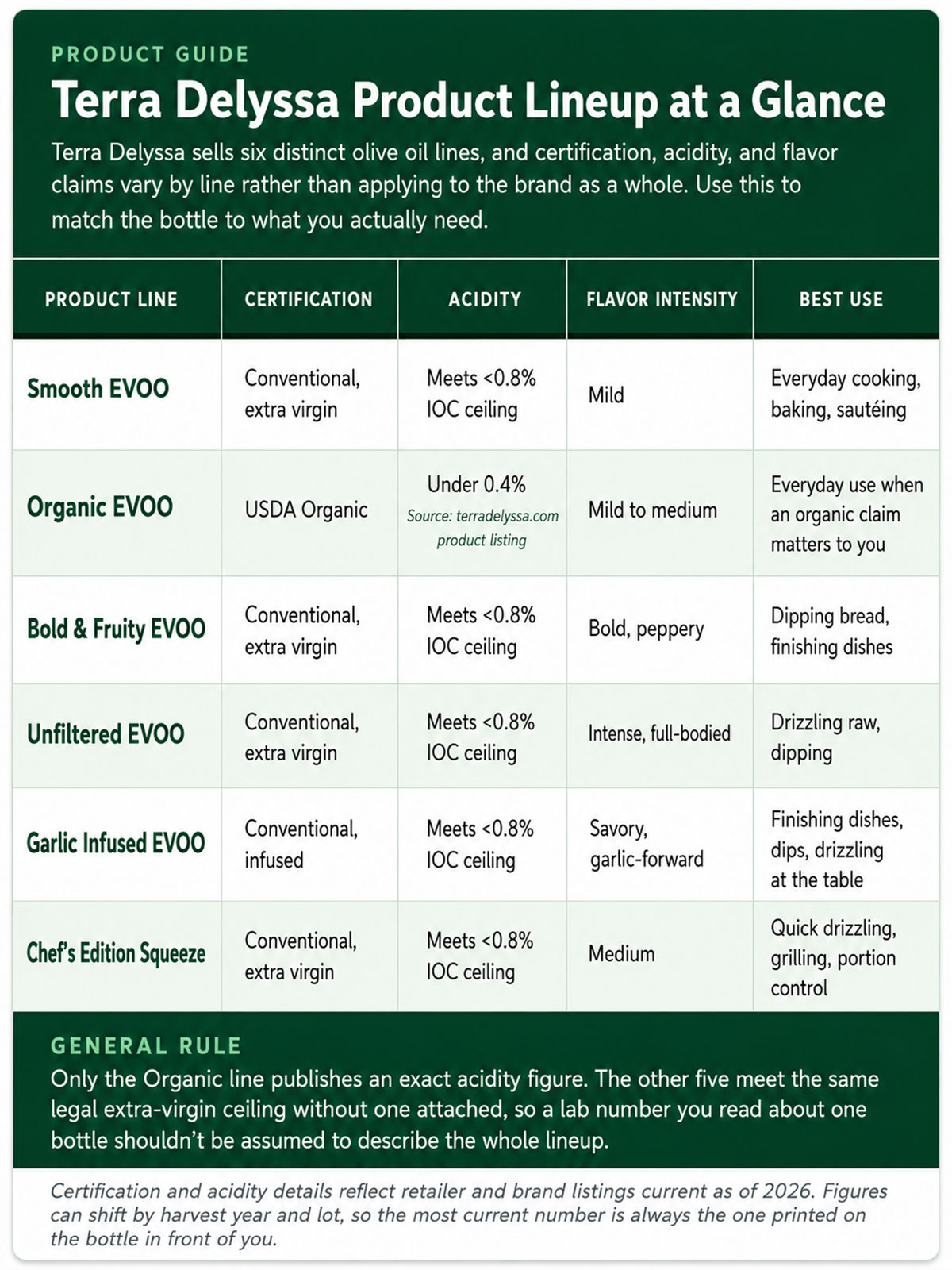
Terra Delyssa is not one olive oil. It’s a lineup, and the certification, acidity, and award claims that apply to one bottle don’t automatically apply to the others sitting next to it on the shelf.
The Smooth Extra Virgin line is the brand’s everyday workhorse, built for a mild flavor that won’t dominate a dish, the kind of bottle most people grab without reading past the front label. The Organic Extra Virgin line is the one that earns real scrutiny: it carries USDA Organic certification and is the version most retailer listings specify when they cite an acidity level under 0.4%, well inside the International Olive Council’s 0.8% ceiling for extra virgin grade.
Bold & Fruity and Unfiltered EVOO push toward stronger, more bitter, more peppery profiles, which is precisely what people who find milder EVOOs underwhelming actually want. Garlic-infused olive oil is exactly what it sounds like, and the newest line, Chef’s Edition, ships in a squeezable bottle instead of glass.
None of this is marketing language. It’s the difference between asking whether Terra Delyssa is real extra virgin olive oil and asking the more useful question: which Terra Delyssa, and real by which standard.
Where the Olives Come From, and Why That Suddenly Matters
Tunisia has pressed olive oil for roughly three thousand years, longer than most countries that lean on the tradition as a selling point. For most of that history, it sold the bulk of its production anonymously, shipped in tankers to Italy and Spain, and rebottled under someone else’s name.
That changed fast. According to the International Olive Council’s 2025/26 season figures, Tunisia overtook Italy, Greece, and Türkiye this season to become the world’s second-largest olive oil producer, behind only Spain, with a harvest estimated at nearly half a million tonnes.
A country that used to disappear into someone else’s label now accounts for a meaningful share of the world’s supply outside Spain. Close to 80% of that national output is certified organic, per the same IOC reporting, which is part of why a Tunisian brand can credibly anchor an organic line at retail scale most competitors can’t match.
Terra Delyssa is the flagship brand of Tunisia’s CHO Group, which is arguably the world’s largest organic olive oil producer. CHO exports roughly 50,000 tons a year to more than 50 countries, and the math behind 1,200 metric tons of olives processed in a single peak-harvest day is the kind of operational detail that makes ‘family-run olive grove’ feel like the wrong mental image entirely.
A widely repeated claim sets the press time at 24 hours after harvest. Costco’s own product listing puts the real number closer to four hours, which tracks with how the first cold-pressed oil is supposed to work. The faster the olives move from the tree to the crusher, the less oxidation happens before pressing even starts.
Speed and scale answer the where and how-fast questions. They don’t answer whether what comes out the other end actually qualifies as extra virgin, which is a separate test entirely.
Whether you're looking for an everyday cooking oil, an organic option, or a flavor-enhancing finishing oil, these are some of the most popular Terra Delyssa products
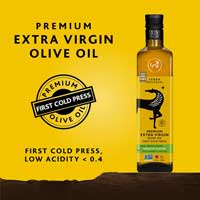
Terra Delyssa Extra Virgin Olive Oil
A versatile everyday olive oil with a smooth, mild flavor that works well for cooking, roasting, sautéing, and salad dressings. Made from single-source Tunisian olives and first cold pressed for freshness.
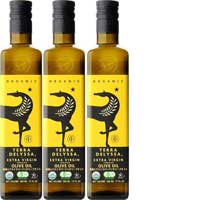
Terra Delyssa Organic Extra Virgin Olive Oil
USDA-certified organic extra virgin olive oil made from single-origin Tunisian olives. Ideal for shoppers seeking an organic option without sacrificing flavor or quality.
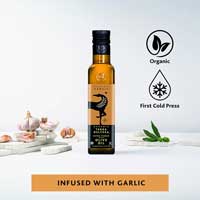
Terra Delyssa Garlic Infused Olive Oil
Adds rich garlic flavor to pasta dishes, roasted vegetables, marinades, bread dipping, and homemade dressings without the need for fresh garlic.
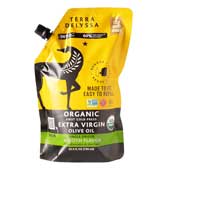
Terra Delyssa Olive Oil Refill Pouch
Contains the same single-origin organic olive oil in a lower-packaging refill format designed to replenish existing Terra Delyssa bottles while reducing waste.
These are Amazon Associate affiliate links, which help support this site at no extra cost to you.
Is It Actually Extra Virgin? What Independent Testing Says
One detail about that UC Davis finding gets flattened almost every time someone repeats it online. Failing the chemistry and taste panels means an oil doesn’t meet extra-virgin grade. It does not mean the bottle was secretly cut with cheaper, non-olive oils, and the university’s own food-quality research program said so directly, after watching the 69% figure get repeated for over a decade as proof of something it never actually showed.
Terra Delyssa Organic took silver at the 2025 NYIOOC World Olive Oil Competition, the most rigorous blind-tasting competition in the industry, and both the brand’s organic and conventional lines won gold the year before that. Those wins carry more weight than a pass-fail chemistry test, because NYIOOC judges assess the actual fruitiness, bitterness, and pungency an extra-virgin oil is supposed to have, qualities an oxidized or adulterated oil can’t fake its way through.
The blockchain traceability behind that QR code is real, not just marketing copy. CHO Group built it in partnership with IBM Food Trust, according to the company’s own press materials, and the organic line’s product listing states acidity under 0.4%, less than half the ceiling that defines extra virgin grade.
None of that is the same as a fraud-proof guarantee. A QR code answers a different question than a blind taste panel does, and a brand can have both working in its favor without either one being airtight on its own.
There’s one more piece of context worth knowing if a brand’s trustworthiness matters to you beyond the bottle itself. CHO Group’s founder and chief executive, Abdelaziz Makhloufi, was arrested in October 2024 amid a Tunisian investigation into the management of a state-owned olive plantation, a matter separate from any claim about Terra Delyssa’s product quality or safety. He was released on $17 million bail in November 2025, according to Reuters, and no trial date had been set as of that report.
None of that changes what’s actually in the bottle. It’s the kind of detail that belongs in a complete answer to whether you can trust this brand, even when the more pressing question for most readers is what the oil itself can plausibly do for them.
The Health Case, and Where the Evidence Gets Shakier
The European Food Safety Authority allows olive oil makers to claim a specific health benefit, but only if the oil clears a specific bar. Under EU Regulation 432/2012, a product can claim its polyphenols protect blood lipids from oxidative stress only if it delivers at least 5 milligrams of hydroxytyrosol and its derivatives per 20 grams of oil, roughly a tablespoon and a half, consumed daily.
One of the polyphenols responsible for that protection has a strange backstory. In 2005, researcher Gary Beauchamp and colleagues at the Monell Chemical Senses Center noticed that fresh olive oil produced the same throat-catching sting as liquid ibuprofen. Their published findings in Nature confirmed the resemblance wasn’t coincidental: oleocanthal blocks the same inflammatory enzymes ibuprofen does, at lower, food-level doses.
How much oleocanthal ends up in a given bottle depends heavily on when the olives were picked. Measurements in the literature range from under 1 milligram per kilogram in older or poorly handled oil up to several hundred milligrams per kilogram in fresh, early-harvest oil, which is the real reason a harvest date on the label tells you more than any polyphenol number a brand prints without showing its lab work.
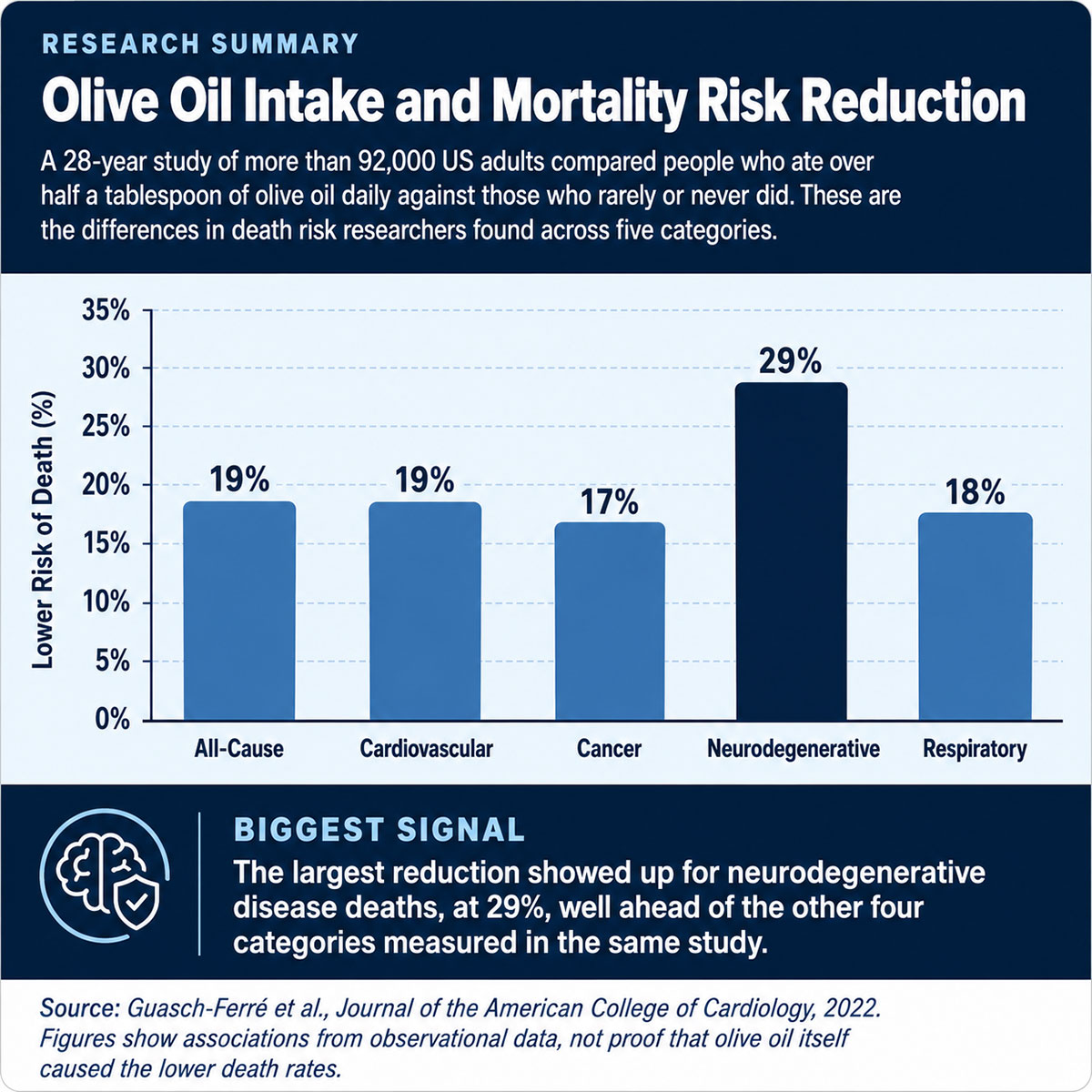
People who replaced even a small daily amount of butter or margarine with olive oil lived measurably longer, according to a 2022 study in the Journal of the American College of Cardiology that followed more than 92,000 U.S. adults for 28 years. Compared with people who rarely or never used olive oil, those consuming more than half a tablespoon a day had 19% lower all-cause mortality, 19% lower cardiovascular mortality, 17% lower cancer mortality, 29% lower neurodegenerative disease mortality, and 18% lower respiratory disease mortality.
Anne-Julie Tessier, a researcher at the Harvard T.H. Chan School of Public Health, led a related analysis asking a narrower question: whether olive oil specifically protects against dying from dementia, independent of everything else in someone’s diet. The 2024 study in JAMA Network Open found that people consuming at least 7 grams of olive oil daily, a little more than half a tablespoon, had a 28% lower risk of dementia-related death than those who rarely or never consumed it. Swapping out a teaspoon of margarine or mayonnaise for olive oil each day was tied to an 8% to 14% lower risk on its own.
Daily Olive Oil Intake & Mortality-Risk Tier Calculator
Based on two long-term observational studies, not a personal health prediction
Cancer is where the evidence actually splits, and it’s worth considering that rather than disregarding the conflicting results. A 2022 meta-analysis in PLoS ONE, pooling 45 mostly case-control studies, found that the highest olive oil intake was associated with 31% lower odds of any cancer, with the strongest signal for breast cancer.
A 2023 analysis of two Nurses’ Health Study cohorts in the British Journal of Cancer found nothing of the sort. Among more than 71,000 and more than 93,000 U.S. women followed for decades, the highest olive oil consumers showed no reduced breast cancer risk at all compared with women who rarely consumed it.
Both studies are well conducted. They simply don’t agree, and the honest reading is that case-control data and a large prospective U.S. cohort may be picking up genuinely different things, not that one study is right and the other wrong.
Whatever is happening, it isn’t settled, and a brand’s NYIOOC medals have nothing to say about it either way.
Flavor and How to Use It
Smooth EVOO tastes the way the name promises: mild, faintly grassy, with a peppery finish that fades fast instead of catching in the throat. Bold & Fruity and Unfiltered land closer to the punchier, more bitter oils people associate with Italian or Greek bottles, and Garlic Infused is made for finishing dishes rather than cooking them.
None of the lines need anything fancier than a fork and a piece of bread to taste the difference. Use Smooth for baking or everyday sautéing where you don’t want olive flavor competing with everything else. Save Bold & Fruity for raw applications, such as a salad or a finished bowl of soup, where the pepper and bitterness actually register.
Two Recipes Worth the Bottle
Both recipes below are specific enough to be useful: real quantities, a real bake time, nothing vague.
Mediterranean Lemon Herb Dressing
- 3 tablespoons Terra Delyssa extra virgin olive oil
- 1 tablespoon fresh lemon juice
- 1 teaspoon Dijon mustard
- 1 small garlic clove, minced
- 1 teaspoon fresh herbs (oregano, thyme, or basil)
- Salt and pepper to taste
- Combine the lemon juice, Dijon mustard, minced garlic, and herbs in a small bowl.
- Whisk in the olive oil slowly until the dressing comes together and looks slightly thickened.
- Season with salt and pepper to taste.
- Drizzle over salads or grilled vegetables right away, or refrigerate for up to five days.
Simple Olive Oil Cake
- 3/4 cup Terra Delyssa extra virgin olive oil
- 1 1/2 cups all-purpose flour
- 1 cup sugar
- 3 large eggs
- 1/2 cup milk
- 1 1/2 teaspoons baking powder
- 1/4 teaspoon salt
- Zest of one lemon
- Preheat the oven to 350°F and grease a standard loaf pan or 9-inch round cake pan.
- Whisk the eggs and sugar together until the mixture lightens in color, about two minutes.
- Add the olive oil, milk, and lemon zest, and whisk until smooth.
- Fold in the flour, baking powder, and salt until just combined, taking care not to overmix.
- Pour the batter into the prepared pan and bake for 35 to 40 minutes, until a toothpick inserted in the center comes out clean.
- Cool in the pan for ten minutes before turning out onto a rack to finish cooling.
How It Stacks Up Against Other Premium Oils
A side-by-side blind taste test carries more weight than a brand’s own claims, and one of the more prominent taste tests making the rounds recently wasn’t flattering. Food entrepreneur Anya Fernald ran a blindfolded comparison of six Costco-available extra virgin olive oils on Instagram in 2026, scoring Terra Delyssa Organic a 2 out of 10, below Kirkland Signature’s Organic EVOO and three other oils she tasted, with only Graza’s Sizzle scoring lower.
One blind taste test from one taster isn’t a verdict. It’s a data point, and a useful counterweight to a brand whose strongest credentials are awards it entered itself.
Against more expensive premium brands like Cobram Estate or California Olive Ranch, Terra Delyssa competes mainly on price and certification breadth rather than flavor intensity. Its mild Smooth line suits people who find punchier Australian or Californian EVOOs overwhelming, while its Bold & Fruity line is the closer comparison point for anyone who actually prefers that stronger style.
Which side of that divide matters more to you probably depends on whether you’re buying olive oil to taste or buying it to trust.
Packaging and Storage: What Actually Matters
Dark glass protects the oil from light-driven oxidation, which is a real mechanism and not a packaging flourish. Clear glass or plastic bottles let UV light degrade polyphenols and fatty acids faster, so the dark glass on every Terra Delyssa line besides the Chef’s Edition squeeze bottle is doing real work.
Keep the bottle somewhere between 57°F and 70°F, away from the stove and direct light, and replace the cap tightly after every use. Besides that, the details that matter most are how long the oil sits before you finish it, which is its own question with a more complete answer just above.
What People Are Actually Saying Right Now
Real ratings shift by the week, so treat these as a snapshot rather than gospel. As of mid-2026, Terra Delyssa’s organic line carried a 4.8 out of 5 rating from roughly 400 reviewers on the brand’s own site and a matching 4.8 from 514 reviewers on Target.com. Costco’s listing for the same product ran lower, 4.5 from 357 reviewers, which is still respectable, but a brand controls its own product page in a way it can’t control someone else’s.
Retailer star ratings and a single critical blind taste test are measuring different things. One captures broad satisfaction. The other captures one trained palate’s snap judgment, and neither settles the argument on its own.
Scanning a QR code answers where and when. It can’t answer whether an oil is genuinely extra virgin, because that’s a chemistry and sensory question, and the chemistry and sensory question is the one independent competitions like NYIOOC actually test for, repeatedly, against oils that didn’t get to choose their own judges. Terra Delyssa’s gold and silver medals settle that question more convincingly than its traceability does, even though the traceability is what gets photographed for Instagram.
The next time a bottle promises you can trace its journey from orchard to shelf, weigh that promise against something more useful: whether anyone independent ever tasted the oil sitting at the end of it.
Frequently Asked Questions
Is Terra Delyssa olive oil actually real extra virgin olive oil?
Its organic and conventional lines have both won gold or silver at the NYIOOC World Olive Oil Competition in recent years, which is the kind of independent, blind-tasted verification that matters more than a QR code. That said, “real” depends on which exact line and bottle you’re holding, since certifications and acidity numbers vary across Terra Delyssa’s six product lines rather than applying to the brand as a whole.
Which Terra Delyssa product should I actually buy?
Buy Smooth for a mild, everyday oil suited to baking and light sautéing, Organic if certification matters most to you, and Bold & Fruity or Unfiltered if you actually prefer a punchier, more bitter EVOO. Garlic Infused and the squeezable Chef’s Edition are built for specific uses rather than general cooking.
How much polyphenol does Terra Delyssa olive oil actually contain?
Terra Delyssa doesn’t publish a lab-verified polyphenol count for its bottles, so any specific milligram-per-kilogram figure attached to the brand online isn’t independently sourced. A fresher harvest date is a more reliable signal of polyphenol content than any number on a label, since oleocanthal and related compounds degrade measurably as oil ages.
What is Terra Delyssa olive oil’s smoke point?
Extra virgin olive oil generally has a smoke point between roughly 347°F and 464°F, depending on freshness and quality, which covers nearly all home cooking, including sautéing and most baking. Smoke point matters less for cooking safety than it sounds, since high-phenolic EVOO has been shown to resist heat-driven degradation better than several oils with higher smoke points.
Has Consumer Reports rated Terra Delyssa olive oil?
Not specifically. Consumer Reports tested 26 olive oil brands in 2024 and named Aldi’s Specially Selected Sicilian and California Olive Ranch as standouts, but Terra Delyssa hasn’t appeared in their published results.
Where does Terra Delyssa olive oil actually come from, and can Tunisian olive oil be trusted?
It comes from Tunisia, which became the world’s second-largest olive oil producer for the 2025/26 season according to International Olive Council figures, behind only Spain and ahead of Italy, Greece, and Türkiye. Trust in any country’s olive oil comes down mostly to the individual brand’s testing and certification record rather than the country of origin alone.
Can you drink Terra Delyssa olive oil straight from the bottle?
Yes. A spoonful or two of EVOO daily is a common practice in Mediterranean diets, and it’s one of the simplest ways to reach the roughly half-tablespoon daily intake tied to the mortality benefits described above.
How long does an opened bottle actually last?
An unopened bottle generally holds its quality for 18 to 24 months from the production date, and an opened bottle is best used within three to six months. For the chemistry behind why oil turns rancid and how to spot it early, the storage section above links to a deeper guide.
What’s the actual difference between extra virgin and regular olive oil?
Extra virgin olive oil comes from the first mechanical pressing with no heat or chemical processing, has stricter acidity limits, and retains more polyphenols. Regular or “pure” olive oil is refined, often blended with a small amount of virgin oil for flavor, and has lost most of the antioxidant content that extra virgin oil is valued for.
How does Terra Delyssa compare to other Tunisian and premium olive oil brands?
Among Tunisian exporters, Terra Delyssa has accumulated more international competition medals than most, including back-to-back NYIOOC recognition in 2024 and 2025. Compared with premium brands from other countries, it competes more on price, certification range, and traceability than on the punchier flavor profile some tasters prefer.