This wasn’t another herbal remedy built on anecdotes. A clinical trial measured a real biological shift, but the biggest surprise came after the data was analyzed.
Two cups of spearmint tea a day reduce testosterone levels in women with PCOS. That finding is solid, backed by a randomized controlled trial published in Phytotherapy Research. What most articles covering this research quietly leave out is that the visible results most women are hoping for, like reduced facial hair, take considerably longer than the 30-day study window the trial used.
This is what makes spearmint tea more interesting than most herbal remedies. The clinical foundation is real and, for a plant-based remedy, unusually specific. But the gap between what the trials measured and what readers reasonably expect is wide enough to cause genuine disappointment if it isn’t explained honestly.
The hormonal data is where this herb earns its credibility. After that, the picture gets considerably more complicated in ways that are worth understanding before making it a daily habit.
Understanding Spearmint: More Than a Mint
Botanical Profile
Spearmint (Mentha spicata) belongs to the Lamiaceae family and grows naturally throughout Europe, Asia, and North America. The plant is a hardy perennial with bright green, lance-shaped leaves with serrated edges, growing on distinctive square stems. It typically grows one to two feet tall and produces small pink or white flowers in summer.
The name “spearmint” comes from the pointed leaf shape, which visually distinguishes it from rounder-leaved mint varieties. Unlike peppermint, spearmint thrives in partial shade and moist soil, and it spreads aggressively through underground runners (a useful quality in a garden that also means container planting is usually the more practical choice).
Key Active Compounds
Spearmint’s health properties trace back to a handful of bioactive compounds that work through different physiological pathways. Carvone, the primary essential oil in spearmint at 50 to 70 percent of total oil content, is responsible for both the characteristic flavor and the plant’s muscle-relaxing effects on smooth muscle.
Rosmarinic acid, a polyphenol with well-documented antioxidant activity, is the compound that has attracted the most clinical research interest, particularly for its anti-inflammatory and cognitive-support properties.
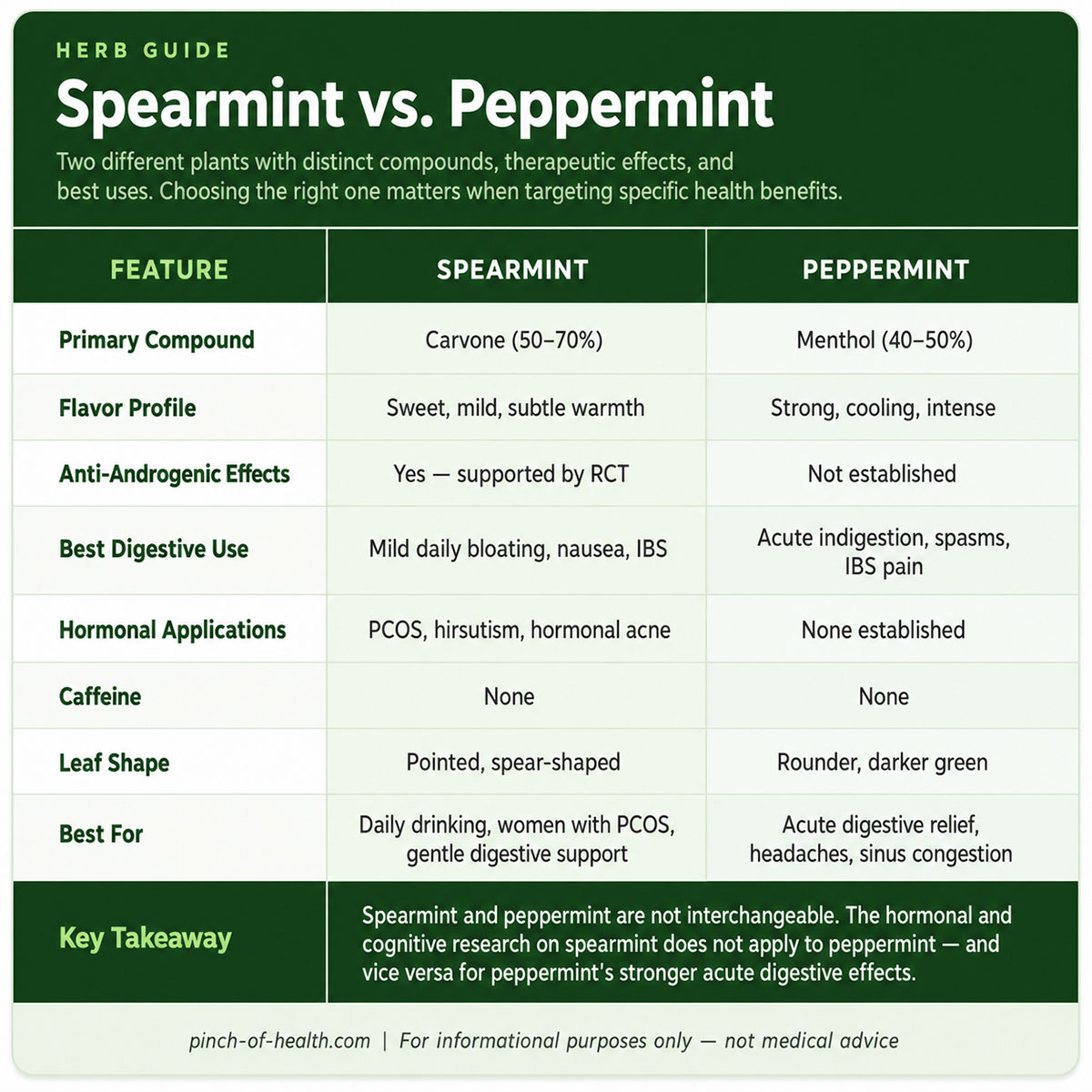
Secondary compounds include limonene, dihydrocarvone, and cineol, which contribute to the antimicrobial properties. Flavonoids and phenolic compounds round out the antioxidant profile. What distinguishes spearmint from peppermint at the clinical level isn’t aroma or flavor preference. It’s the carvone-versus-menthol difference, which produces genuinely distinct therapeutic applications.
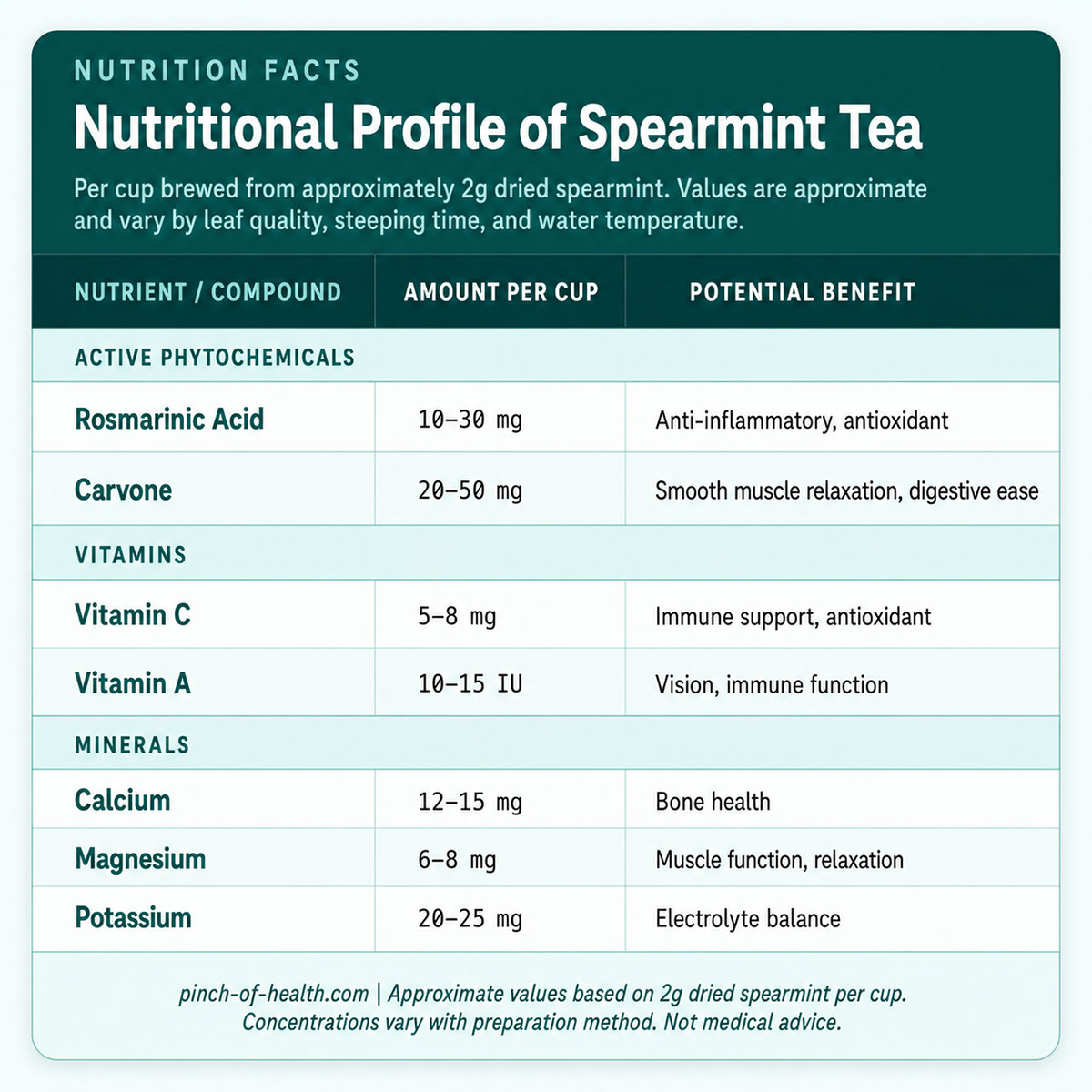
Nutritional Profile of Spearmint Tea
One cup of spearmint tea brewed from approximately two grams of dried spearmint contains minimal calories and no fat, but delivers a range of bioactive compounds that plain water does not. The concentrations below are approximate and vary by leaf quality, steeping time, and water temperature.
Hormonal Balance: The Strongest Case for Spearmint Tea
The evidence here is more specific than most people realize, which is both its strength and its limitation. Spearmint is anti-androgenic. That word matters. The plant doesn’t balance hormones in some general, undefined way: it reduces androgen activity, specifically free and total testosterone. For most women, that is a desirable outcome. For others, the specificity is worth understanding before committing to regular use.
What the Clinical Trial Actually Found
Paul Grant and colleagues ran a two-center UK trial, the one that gave spearmint its hormonal credibility. Forty-two women with PCOS-related hirsutism were randomized to drink spearmint tea or a placebo herbal tea twice daily for 30 days. Hormone levels were checked at the start, at day 15, and at day 30.
The results were clear on the hormonal side. Free and total testosterone levels fell significantly in the spearmint group compared to a placebo. LH and FSH, the gonadotropins that support ovarian function, increased. Self-reported hirsutism quality of life, measured by a validated dermatology questionnaire, improved in the spearmint group.
The objective hirsutism score, rated using the Ferriman-Gallwey scale, did not change significantly over the 30 days. That finding took the authors some explaining. Their conclusion was straightforward: the trial wasn’t long enough. Hair follicle cycles respond to hormonal shifts slowly, over weeks to months. Thirty days is enough time to measure a hormone change. It is not enough time for that hormone change to produce a visible cosmetic effect.
The Hirsutism Timeline
This is where the evidence and popular expectations part ways. Hormonal changes from twice-daily spearmint tea are measurable within 30 days. Visible reductions in facial hair growth take considerably longer. Most estimates place the realistic window at three to six months of consistent use, and individual responses vary based on how elevated androgens were at the start.
Anyone using spearmint tea specifically for hirsutism management should calibrate expectations accordingly. The mechanism is sound, and the hormonal evidence is genuinely encouraging for a plant-based intervention.
But three to six months of consistent daily use before seeing a visible change is a long time to stay committed to something, especially when the early weeks give no cosmetic feedback at all. The hormonal shifts are real. The cosmetic payoff takes patience that the original trial didn’t have time to measure.
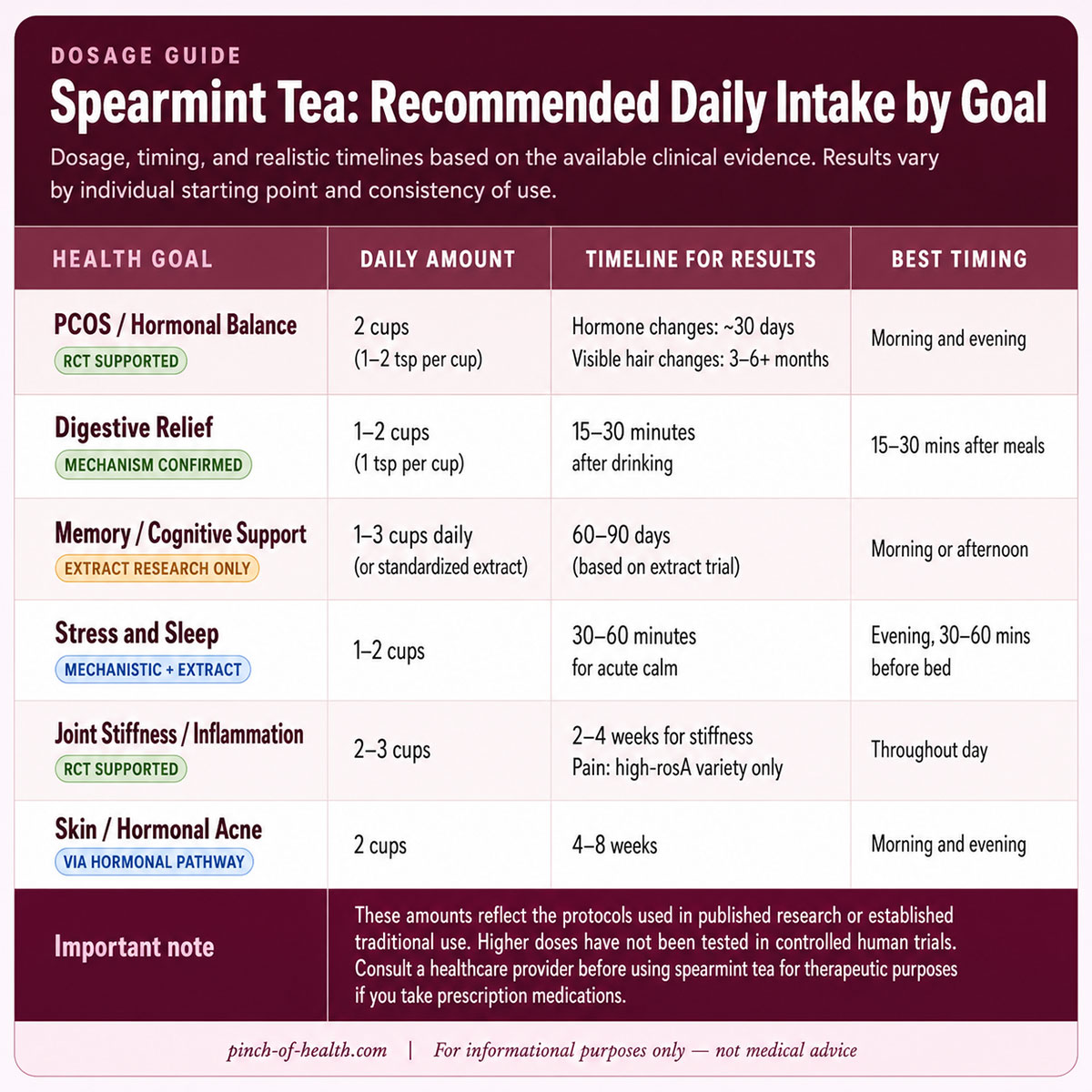
The dosing from the trial (two cups of brewed spearmint tea daily, using approximately one tablespoon of dried leaves per cup, steeped five to ten minutes) is the best-supported protocol available. Higher amounts have not been tested in controlled research.
Does Spearmint Tea Increase Estrogen?
Not directly. The confusion is understandable because the Grant trial showed LH and FSH rising alongside the testosterone reduction, and these hormones support ovarian function, including estradiol production. But spearmint does not appear to stimulate estrogen directly.
What happens is a downstream shift: reducing androgen activity allows the hypothalamic-pituitary-ovarian feedback loop to operate more normally, which in turn supports natural hormone production. The effect is anti-androgenic, not pro-estrogenic.
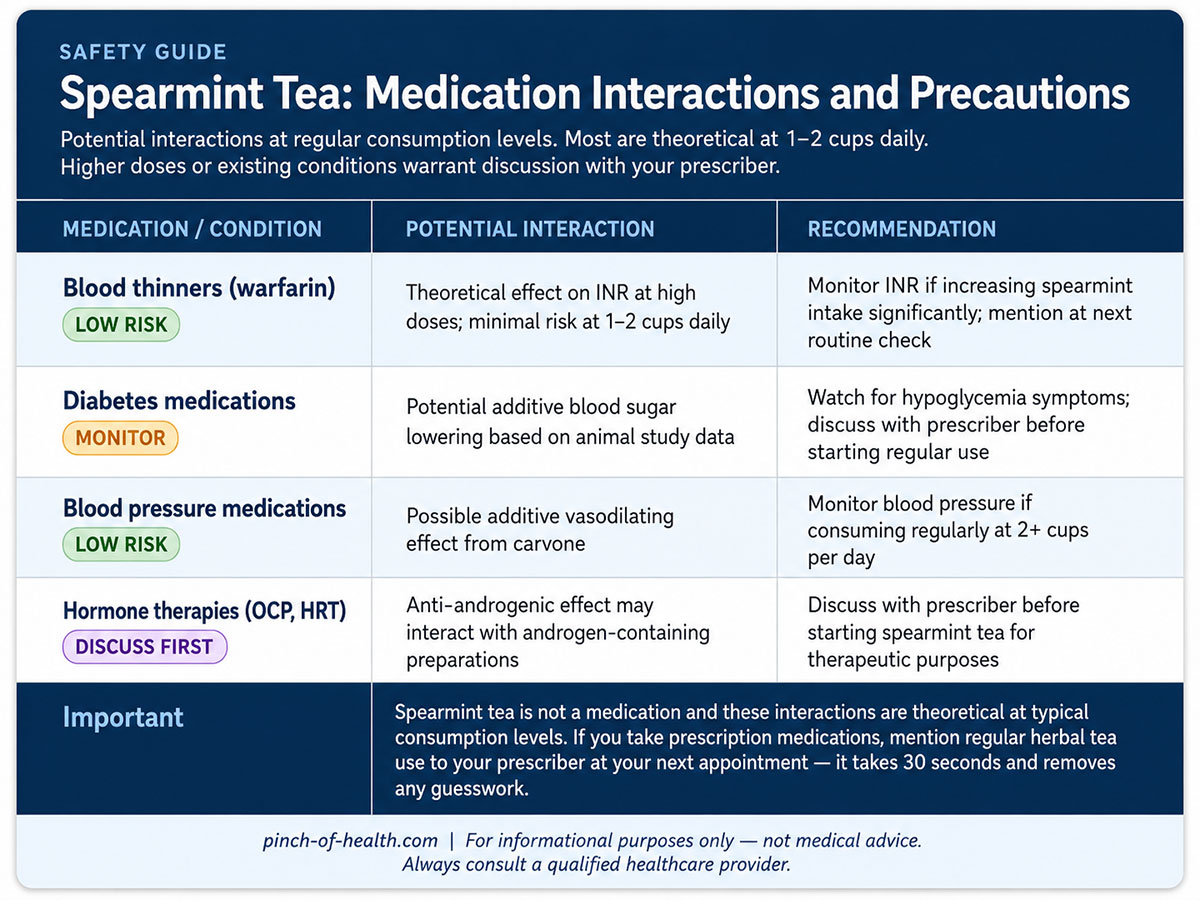
For women on hormone therapies or with conditions sensitive to estrogen levels, this distinction matters. Discussing use with a prescribing physician before starting is the appropriate step, not because the risk is clearly established, but because the interaction hasn’t been studied systematically.
Digestive Health Benefits
Immediate Relief
Carvone, spearmint’s primary compound, inhibits smooth muscle contractions in the digestive tract. That mechanism is responsible for spearmint’s long-standing reputation as a post-meal herb. Bloating, indigestion, and trapped gas all involve excess tension or spasm in digestive smooth muscle. Carvone relaxes it. The effect is relatively quick, typically noticeable within 15 to 30 minutes of drinking a warm cup after eating.
This is one area where the traditional use and the chemistry align well, and where standard brewed tea is likely delivering its effect through the same mechanism that lab studies have identified. The anti-nausea properties follow a similar logic: the mild antispasmodic action and the aromatic profile together help relieve stomach upset. Spearmint tea is a reasonable first-line choice for mild gastrointestinal discomfort.
IBS and the Long-Term Picture
Early research suggests that regular spearmint consumption may reduce abdominal pain and bloating in people with irritable bowel syndrome, but this evidence is preliminary and more limited than the PCOS data.
The most relevant study tested a combination supplement (spearmint, lemon balm, and coriander) alongside standard IBS medication, which makes isolating spearmint’s contribution difficult. The research direction is promising. The evidence base for IBS specifically is not yet strong enough to cite as a standalone claim.
There is also preliminary data suggesting spearmint’s antimicrobial compounds may influence gut microbiome composition, though this research comes primarily from laboratory settings and early animal work. What’s clear is that daily spearmint tea is safe for most adults and supports normal digestive function in day-to-day use, a reasonable basis for making it a habit, regardless of where the IBS research eventually lands.
Cognitive Effects: What the Research Actually Shows
There is a legitimate memory study behind spearmint’s cognitive reputation, but it comes with a caveat that most coverage of this topic skips entirely. Researchers from Kemin Industries and collaborating institutions enrolled 90 older adults with age-associated memory impairment in a double-blind, placebo-controlled trial. Participants were randomly assigned to receive 900 mg per day of a proprietary spearmint extract, 600 mg per day, or a placebo, for 90 days.
The 900 mg group showed a 15 percent improvement in quality of working memory and a 9 percent improvement in spatial working memory accuracy compared to placebo, according to the 2018 study published in the Journal of Alternative and Complementary Medicine. Those numbers are real and the trial design is credible. The extract was also associated with better self-reported sleep quality in the same group.
The caveat is this: the extract used was standardized to 24 percent total phenolics and 14.5 percent rosmarinic acid, concentrations that are considerably higher than what standard brewed spearmint tea delivers per cup. Capsule-form proprietary extracts and brewed herbal tea are not pharmacologically equivalent.
The cognitive research is encouraging as a direction, though whether everyday tea drinking produces equivalent effects in the brain has not been tested separately. Drawing a direct line from the extract trial to your morning cup overstates what the data actually supports.
Spearmint contains rosmarinic acid and other polyphenols with established neuroprotective properties in laboratory research. The extract trial provides a genuine human signal pointing in the right direction. The honest version of the cognitive claim is “promising, mechanistically plausible, not yet confirmed for tea specifically,” which still puts it ahead of most herbal cognitive supplements.
Anti-Inflammatory Effects and Joint Pain
Spearmint’s anti-inflammatory credentials come from rosmarinic acid and other polyphenols that reduce oxidative stress and inhibit inflammatory signaling pathways. This is well-documented in laboratory research and biologically plausible. The clinical picture for joint pain is more specific, and the specifics matter.
The Osteoarthritis Trial
A randomized double-blind trial published in the Journal of Medicinal Food in 2014 enrolled 62 adults with knee osteoarthritis and assigned them to drink either a high-rosmarinic acid spearmint tea or a standard commercial spearmint tea twice daily for 16 weeks. The high-rosmarinic acid preparation delivered 130 to 150 milligrams of rosmarinic acid per cup, a concentration not found in off-the-shelf spearmint products.
At 16 weeks, pain scores on the validated WOMAC scale fell significantly in the high-rosmarinic acid group. The standard commercial spearmint group showed meaningful improvement in stiffness and physical function scores, but not in pain.
That is an important distinction. Improved mobility with less joint stiffness is a clinically relevant outcome. It is not the same as pain reduction, and the preparation that produced pain reduction is a specialty high-polyphenol variety not found in standard retail products.
The anti-inflammatory mechanism is real and active even in standard tea. Stiffness and mobility improvements from regular spearmint tea are a reasonable expectation for people with inflammatory joint conditions. Pain relief at the level the trial demonstrated requires the high-concentration preparation.
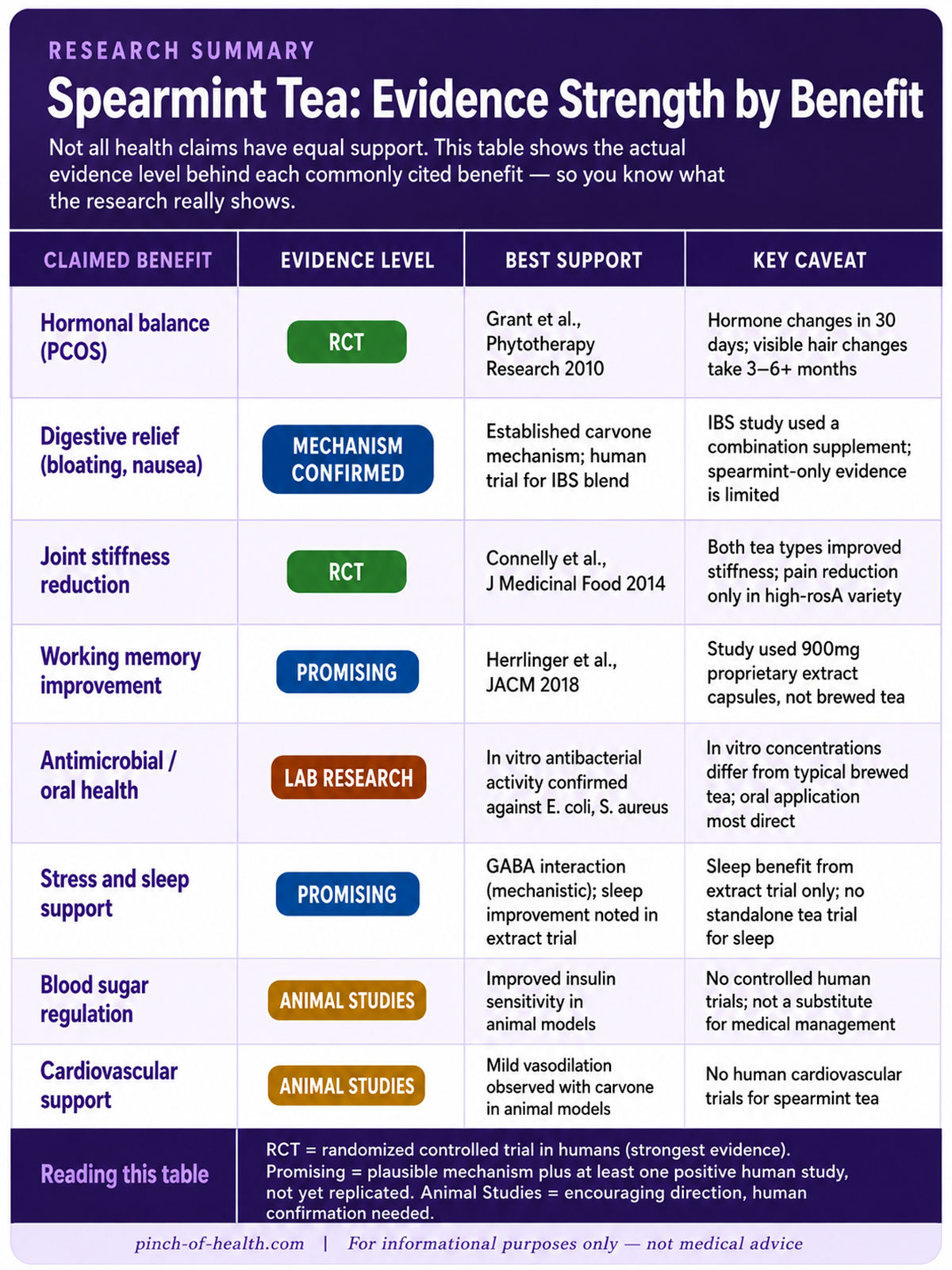
Other Potential Benefits
Blood sugar regulation. Animal studies suggest spearmint may improve insulin sensitivity and slow carbohydrate absorption, with some evidence of reduced post-meal glucose spikes. Human studies are absent. This is a direction worth watching rather than a claim the current evidence can support. Anyone managing blood glucose with medication should also be aware of the potential for additive effects.
Antimicrobial properties. Laboratory research has confirmed spearmint essential oil is active against E. coli, Staphylococcus aureus, Listeria, and several Candida species. Whether these effects translate meaningfully to the concentrations in brewed tea is a separate question the in-vitro data cannot answer.
The practical application that does hold up is oral health: the antibacterial activity of spearmint in direct contact with mouth tissue explains its long history in dental products, and its use as a breath freshener has a real mechanism behind it.
Cardiovascular effects. Carvone has shown mild vasodilating properties in animal studies, with some evidence of modest blood pressure reduction. Human cardiovascular research on spearmint tea is largely absent. People taking blood pressure medications should note the theoretical potential for an additive effect and monitor accordingly.
Skin health. The anti-androgenic mechanism that makes spearmint relevant for PCOS is the same mechanism that may help with hormonal acne. Acne driven by elevated androgen activity often responds to the same interventions that reduce PCOS symptoms. This is less a separate benefit and more an extension of the hormonal effect already covered above.
Stress, Mood, and Sleep
Spearmint tea appears to interact with GABA receptors in the brain and produces mild calming effects. This is a plausible mechanism for the relaxation response many regular drinkers report, and the 2018 extract trial found that the 900 mg group also reported better sleep quality alongside the cognitive improvements. Whether the tea form produces equivalent sleep effects at typical daily doses isn’t yet established, but the compound profile supports the traditional use as an evening relaxation drink.
The aromatic response is real as well. Spearmint’s scent activates the limbic system through olfactory pathways, which can produce a fast-onset relaxation response before the brewed compounds have even been absorbed.
Drinking it from an open vessel rather than a sealed mug makes a practical difference here. The ritual of a warm cup of spearmint tea 30 to 60 minutes before bed is genuinely useful, both for what it contains and for what it replaces: screens, stimulants, and late-night eating among them.

The evidence only travels as far as the cup. Both carvone and rosmarinic acid are volatile compounds whose concentration in the final brew depends on water temperature, steeping time, and whether the vessel is covered during steeping.
How to Brew Spearmint Tea
Using Fresh Spearmint Leaves
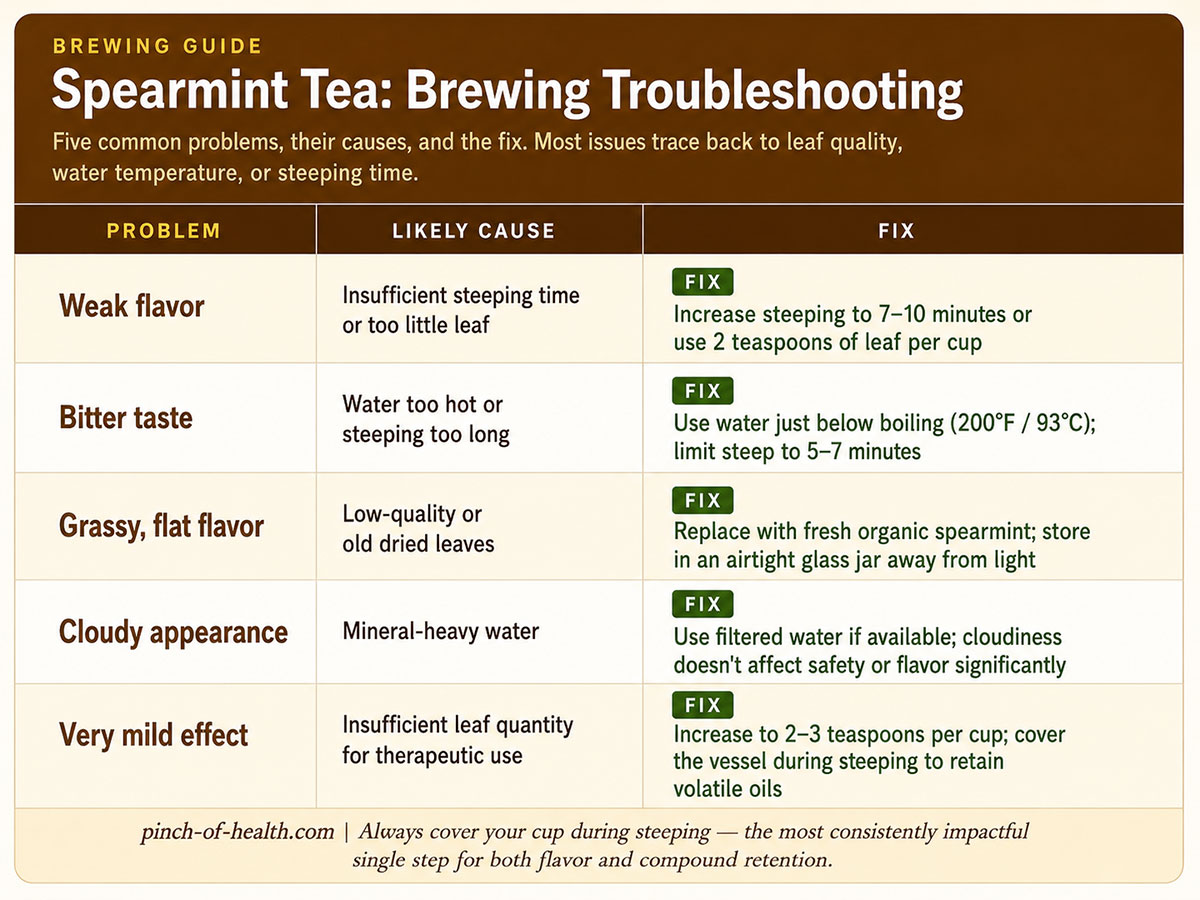
Fresh leaves deliver the most vibrant flavor and have all volatile compounds intact. Pour boiling water that has sat for 30 seconds off the boil over a handful of eight to ten leaves in a cup or teapot, then cover immediately with a saucer. That covering step matters. The volatile oils that give spearmint its aroma and much of its therapeutic character will escape with the steam if the vessel is left open during steeping. After five to seven minutes, remove the leaves and drink while still warm.
If you have ever poured hot water directly over a cluster of fresh spearmint leaves, you know the first few seconds well: an almost sharp, green sweetness rises before the full spearmint character settles in. It’s different from the dried version, and noticeably so. Whether that difference extends to therapeutic potency is harder to measure, but the sensory experience alone is a reason to use fresh when available.
Using Dried Leaves or Tea Bags
- Use one to two teaspoons of loose dried spearmint or one tea bag per eight-ounce cup.
- Heat water to approximately 200°F (93°C), just below boiling. Boiling water can degrade delicate aromatic compounds and produce a harsher, more bitter cup.
- Pour water over the leaves and cover the cup with a saucer immediately to retain volatile oils.
- Steep for five to eight minutes. Longer steeping extracts more beneficial compounds but can increase bitterness. Adjust to taste.
- Strain or remove the tea bag, then drink it warm.
Organic dried spearmint with a strong, fresh aroma and vivid green color is the quality indicator to look for. Pale, weak-smelling dried spearmint signals old or poorly stored product and will produce a noticeably inferior cup.
Brewing Troubleshooting
Creative Spearmint Tea Recipes
Refreshing Iced Spearmint Tea
- Steep four teaspoons of dried spearmint in four cups of hot water for 10 minutes.
- Stir in two tablespoons of honey while still warm.
- Refrigerate until cold, then pour over ice with fresh lemon slices.
Digestion-Boosting Blend
- Combine one teaspoon dried spearmint with one teaspoon dried chamomile in a strainer or infuser.
- Steep in 12 ounces of hot water for seven minutes.
- Add a thin slice of fresh ginger before drinking. Best 15 minutes after a meal.
Cold Brew Spearmint Tea
- Add three tablespoons of fresh spearmint leaves to four cups of cold filtered water.
- Cover and refrigerate for 8 to 12 hours.
- Strain and drink. Cold brewing produces a smoother, less bitter cup with the volatile compounds largely preserved.
Spearmint-Citrus Infusion
- Steep two teaspoons of dried spearmint with three thin slices of fresh orange in 10 ounces of hot water for six minutes.
- Add one teaspoon of honey and a small piece of cinnamon stick if desired. Good as a warm afternoon drink or a gentle, immune-supporting winter option.
Stress-Relief Spearmint Blend
- Combine one teaspoon spearmint, one teaspoon dried lavender, and half a teaspoon dried lemon balm in a strainer.
- Steep seven minutes in 10 ounces of hot water, covered.
- Drink 30 to 60 minutes before bedtime. The lemon balm and lavender amplify the calming properties of the spearmint in a blend that addresses both sleep onset and mild anxiety.
Tips for Maximum Extraction
Cover the cup while steeping. This single step makes the most consistent difference across all preparation methods: the volatile oils that carry both the flavor and many of the therapeutic compounds will escape with steam if the vessel is left open. A small plate works as well as a lid.
Avoid metal infusers where possible, as prolonged contact with metal can impart a slightly metallic taste that masks the natural sweetness. Glass, ceramic, or BPA-free plastic infusers are all preferable. Gently bruising fresh leaves before adding hot water, by pressing them lightly with a spoon or rolling them briefly between your palms, releases more essential oil into the brew than dropping in intact leaves.
For therapeutic use, particularly for PCOS or hormonal balance, a stronger brew of two teaspoons per cup twice daily is the protocol the research supports. For everyday digestive use or as a relaxing evening tea, one teaspoon at standard strength is adequate.
Dosage, Safety, and Potential Side Effects
Recommended Daily Intake by Goal
Potential Side Effects
Spearmint tea is well tolerated by most adults at one to three cups per day. Consuming more than four to five cups daily over extended periods may place additional strain on the kidneys and liver in people with pre-existing conditions affecting those organs. Allergic reactions are rare but possible in people with sensitivities to plants in the Lamiaceae family (mint, basil, oregano, lavender). Mild stomach discomfort when starting is occasionally reported and typically resolves within a few days.
Precautions and Contraindications
Pregnant and breastfeeding women should limit consumption to one cup daily and avoid therapeutic doses without medical guidance. Spearmint has historically been used to stimulate menstruation, and high doses during early pregnancy carry a theoretical risk that hasn’t been ruled out in clinical research. People with kidney or liver disorders should consult a healthcare provider before using spearmint tea for any therapeutic purpose beyond casual daily consumption.
Those with GERD or severe acid reflux may find that spearmint’s relaxing effect on the lower esophageal sphincter worsens reflux symptoms. The same mechanism that helps with bloating can work against people with this specific condition.
Special Populations
Children: Safe in small amounts for children over two years old. Limit to half a cup of diluted tea for ages two to six, and up to one cup daily for older children. Useful for mild stomach upsets.
Elderly adults: Generally well tolerated. May be particularly relevant for joint stiffness and relaxation. Start with one cup daily and increase gradually.
Men: The anti-androgenic effect is real at consistent doses. One cup daily is generally not a clinical concern at normal testosterone levels. Men specifically using spearmint for digestive, cognitive, or anti-inflammatory purposes may want to stay at or below two cups daily to minimize any hormonal effect.
When to See a Doctor
Speak with a healthcare provider before using spearmint tea for therapeutic purposes if you take prescription medications, have liver or kidney conditions, are pregnant or breastfeeding, or plan to use it as a primary management strategy for a diagnosed condition. Spearmint tea works best alongside a complete care plan, not instead of one.
Choosing and Buying Quality Spearmint Tea
The quality difference between poor and excellent spearmint tea is significant enough to affect both the sensory experience and the therapeutic output. Vibrant green color, a strong fresh aroma when the package is opened, and intact leaves rather than powder or broken fragments are the primary quality indicators to look for in loose-leaf spearmint. For tea bags, squeezing the bag gently and checking that it releases a noticeable spearmint scent is a reasonable freshness check in the store.
Organic certification matters more for spearmint than for some other herbs because spearmint absorbs pesticide residues readily, and those residues can partially counteract the antioxidant properties you’re drinking the tea for. Single-origin loose-leaf spearmint from a dedicated herb supplier will generally outperform supermarket tea bags, though the price gap is rarely large. Opaque, airtight packaging protects volatile compounds from light degradation. Avoid clear bags or loosely sealed pouches.
Loose Leaf vs. Tea Bags
Loose-leaf spearmint gives more control over dosage, tends to contain higher-quality whole or large-cut leaves with more intact essential oils, and is more cost-effective per cup when bought in reasonable quantities. Tea bags trade convenience for some reduction in flavor and volatile compound concentration, but a premium tea bag from a quality herb brand will outperform cheap loose-leaf spearmint. For therapeutic daily use, loose leaf from a reputable organic source is the stronger choice.
Growing Your Own Spearmint
A container at least 12 inches deep with drainage holes is the starting point. Spearmint spreads aggressively through underground runners and will take over a garden bed within a season if planted directly in the ground. Container growing prevents this and still produces more fresh spearmint than most people can consume.
Spearmint grows best in partial shade in rich, consistently moist soil. Full sun produces higher essential oil content but risks leaf burn. Harvest in mid-morning after the dew has dried. Cut stems two to three inches above soil level with clean scissors every three to four weeks to encourage bushier growth and prevent flowering. Once spearmint flowers, the essential oil content in the leaves drops noticeably. Harvesting just before flower buds form gives the highest compound concentration.
For drying, tie small bundles and hang upside down in a warm, dark, well-ventilated space for seven to ten days. Store dried leaves in airtight glass containers away from light. Properly stored, they retain most beneficial compounds for up to 12 months.
Spearmint Tea Around the World
In Turkey and Egypt, spearmint has served as a digestive remedy and cooling summer drink for generations, uses that align precisely with what the chemistry now confirms. The Grant 2010 PCOS trial has a specific origin worth knowing: it grew from earlier Turkish research into spearmint’s anti-androgenic properties. A UK team read that work and designed the formal randomized trial. Traditional practice in one country pointed researchers in another toward a mechanism they would go on to confirm clinically. That sequencing is unusual enough to notice.
Across India, Morocco, and the UK, the regional applications differ in detail but converge on the same core uses. Digestion, hormonal support, and relaxation keep turning up independently across traditions that never communicated with each other. The modern evidence base confirmed what generations of plant medicine had already worked out by observation.
How Spearmint Compares to Other Herbal Teas
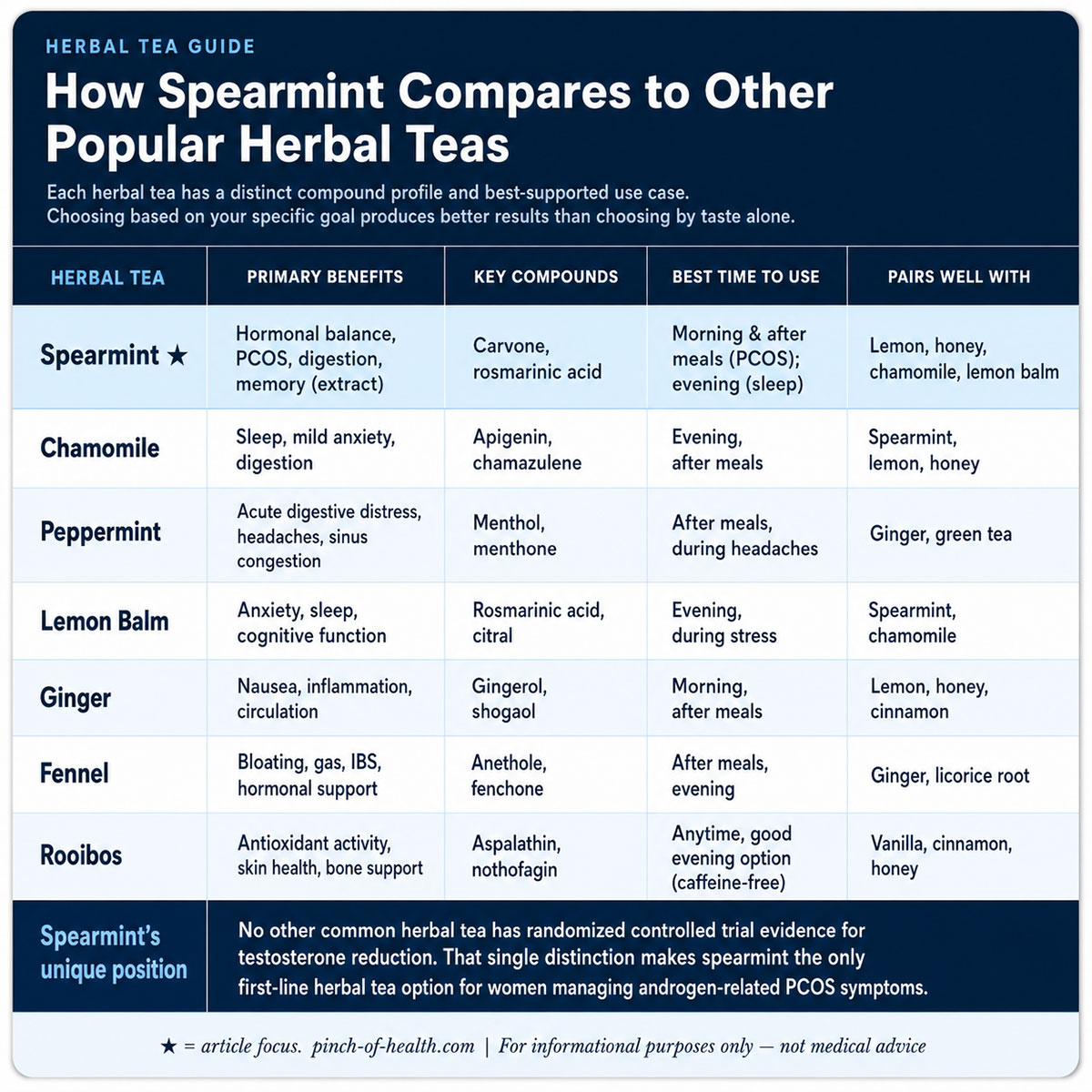
Spearmint occupies a specific niche in the herbal tea landscape that its neighbors don’t share. Chamomile and lavender address anxiety and sleep through different receptor pathways. Ginger and peppermint are more powerful for acute digestive distress but lack spearmint’s hormonal and cognitive profiles. Lemon balm and spearmint are the closest functional relatives. Both contain rosmarinic acid, both support calm and sleep, but lemon balm’s GABA interaction is more pronounced, while spearmint’s anti-androgenic effect is unique. No other common herbal tea has randomized trial evidence for testosterone reduction.
Conclusion
The honest case for spearmint tea comes down to a hierarchy that most articles about it never draw. The hormonal evidence, specifically the anti-androgenic effect in women with PCOS, is unusually strong for a plant-based remedy, backed by a proper randomized controlled trial rather than anecdote or animal data.
The cognitive and joint-pain research is genuinely interesting but requires more nuance than it usually gets. One used a concentrated extract, not tea. The other found the stronger result only with a specialized high-polyphenol preparation. The blood sugar and cardiovascular claims are currently plausible mechanisms without adequate human evidence behind them.
None of that makes spearmint tea less worth drinking. It makes it worth drinking honestly: for the things it does well, at the doses the evidence supports, with realistic expectations about timelines. Start with the PCOS finding if that applies. Take the cognitive research as a direction worth watching. And treat everything else as good supporting evidence for a pleasant, safe, and genuinely useful daily habit.
Frequently Asked Questions
Can I drink spearmint tea every day?
Yes. Most healthy adults can safely drink one to three cups of spearmint tea daily. For hormonal balance goals, consistency is more important than occasional use. The PCOS trial protocol calls for twice-daily use, maintained consistently over at least 30 days, for measurable hormonal effects.
How long does it take for spearmint tea to work?
It depends on what you’re using it for. Digestive relief is typically noticeable within 15 to 30 minutes. Hormonal changes (reduced testosterone in PCOS) are measurable within 30 days of consistent twice-daily use. Visible hirsutism changes take three to six months or longer. Cognitive improvements were observed after 90 days in the extract trial. Skin improvements are typically noticeable after four to eight weeks.
Does spearmint tea contain caffeine?
No. Spearmint is an herbal infusion (technically a tisane), not made from the Camellia sinensis plant that produces green, black, and white teas. It contains no caffeine and is suitable for evening consumption without affecting sleep.
Can men drink spearmint tea? Any specific benefits or concerns?
Men can drink spearmint tea and benefit from its digestive, anti-inflammatory, and antimicrobial properties. The anti-androgenic effect is real: consistent consumption at higher doses may produce a mild reduction in testosterone over time. For most men with normal testosterone levels, one to two cups daily is not a clinical concern. Men considering regular use for any specific health goal beyond general digestive support may want to discuss spearmint tea use with their doctor, particularly at three or more cups per day.
What does spearmint tea taste like?
Spearmint has a sweet, mild, refreshing taste with none of the intensity of peppermint. The cooling sensation is gentle rather than sharp. Many people describe it as having grassy, slightly sweet undertones with a clean finish. It pairs well with honey or lemon without needing a sweetener to make it palatable. It’s generally considered easier to drink daily than peppermint tea, which some people find overwhelming in large quantities.
How does spearmint tea compare to spearmint supplements?
Spearmint supplements typically contain concentrated, standardized extracts with known rosmarinic acid and total phenolic content, the format used in the cognitive research. Tea provides a broader, more variable mix of compounds in their natural ratios. Tea is a gentler, more gradual delivery mechanism and is the format supported by the PCOS hormonal trial. Supplements offer more consistent dosing for specific purposes, and for cognitive support specifically, the extract form is closer to what the evidence actually tested.
Can spearmint tea replace medications for PCOS or other conditions?
No. Spearmint tea is a complement to, not a replacement for, prescribed treatment. The PCOS trial evidence is promising but modest in effect size. It works best as part of a broader management strategy that includes diet, exercise, and whatever medical treatment a prescribing physician has recommended. Changes to any treatment plan should be made in consultation with a healthcare provider.
Is wild spearmint better than cultivated spearmint?
Wild spearmint may contain higher concentrations of essential oils because environmental stressors tend to increase a plant’s production of protective compounds. But wild-harvested spearmint varies considerably in quality and may carry environmental contaminants. High-quality organic cultivated spearmint offers more consistent compound concentrations and better quality control. For most purposes, it is the more consistent choice. Wild-harvested variability is a quality argument, not a quality guarantee.
Can children drink spearmint tea?
Yes, in age-appropriate amounts. Children over two years old can safely drink diluted spearmint tea in small amounts for mild stomach upsets. For ages two to six, limit to half a cup of diluted tea occasionally. Older children can drink standard-strength spearmint tea, though one cup per day is a sensible ceiling. Spearmint is gentle enough for children, but gentle is not the same as inert.
Does spearmint tea increase estrogen?
Not directly. Spearmint is anti-androgenic: it reduces free and total testosterone, which allows LH and FSH to rise as part of the body’s normal feedback loop. This can support natural estrogen production indirectly, but spearmint does not appear to stimulate estrogen directly. The effect is a reduction in androgen dominance, not an increase in estrogen. Women on estrogen-sensitive medications or with estrogen-sensitive conditions should still discuss regular spearmint tea use with their prescriber.
Does spearmint tea affect INR or blood thinners?
At typical consumption levels of one to two cups daily, the effect on INR is considered minimal and is unlikely to be clinically significant for most people on anticoagulants. At higher doses over extended periods, there is a theoretical interaction worth monitoring. If you take warfarin or another anticoagulant and plan to start drinking spearmint tea regularly, mentioning it to your prescriber and having your INR checked at your next routine test is a reasonable precaution. Abrupt large increases in herbal tea consumption of any kind are worth noting during anticoagulant management.