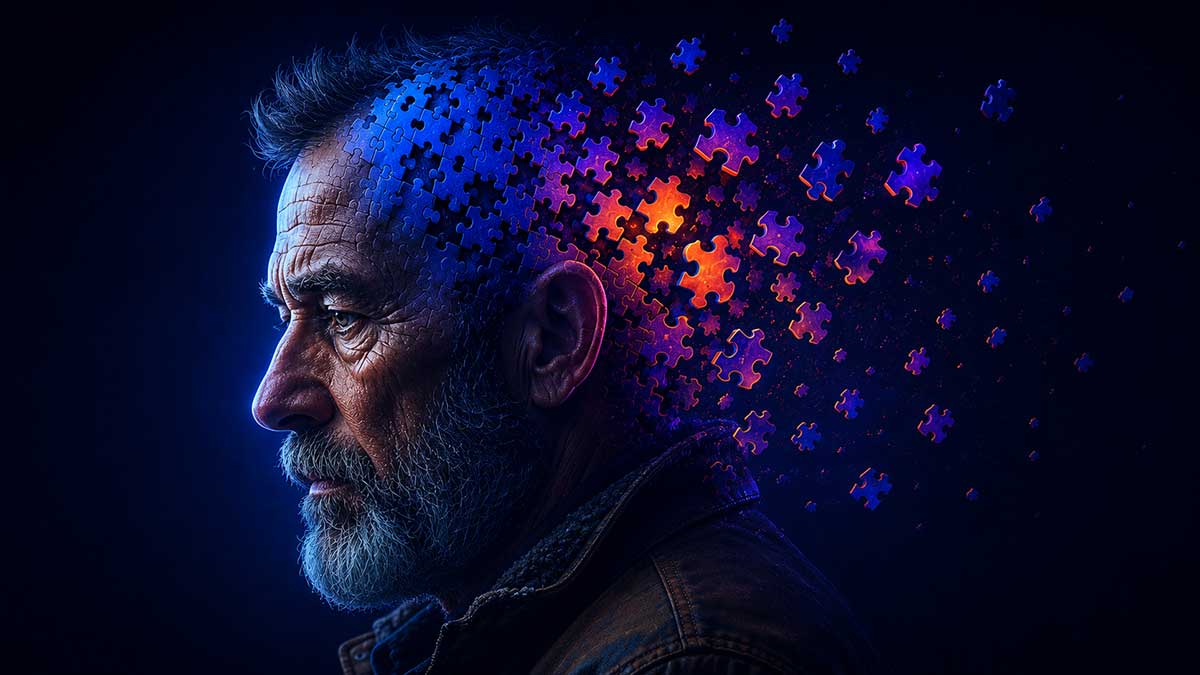
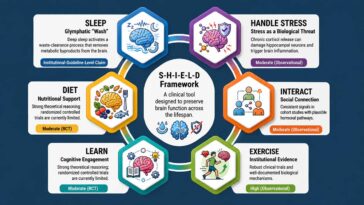
How To Reduce Risk of Alzheimer’s? Researchers Found 12 Habits That Can Lower Dementia Risk by Up to 40% (Even With Genetic Risk)
Could a Simple Vitamin Combination Actually Slow Brain Shrinkage? Oxford Researchers Tracked 168 People Over 2 Years (MRI Results)
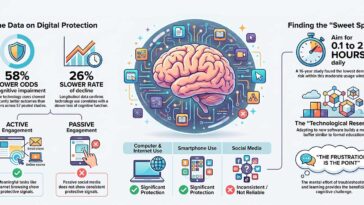
Does Computer Use Protect or Harm the Aging Brain? Researchers Analyzed 136 Studies Involving 411,430 People and Found Unexpected Results
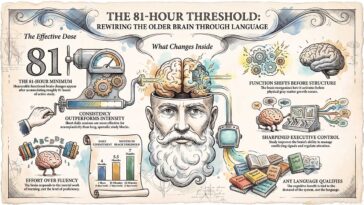
Learning a New Language Is Proven to Increase Neuroplasticity, But How Much Is Enough? Researchers Found a Surprisingly Specific Minimum Dose
How to Clear Brain Fog? Penn State Researchers Found a Surprisingly Simple 10 Minute Activity That Works (Here’s How)
Research Has Found Healthy Brain Aging Depends on Preserving This One Important Function Most People Never Think About
How to Keep Your Brain Healthy as You Age? Harvard Neurology Professor Reveals 6 Habits (And the Truth About the 10,000 Step Rule)
Normal Aging or Mild Cognitive Impairment? Neurologists Identify 8 Differences You Shouldn’t Ignore (The Most Overlooked Sign Isn’t Memory Loss)
What Happens to Your Memory When You Drink Green Tea Every Day for 8–12 Weeks? (Some Changes Happen Quickly. The Biggest Ones Take Time)
How Quickly Can Meditation Rewire the Brain? Neuroscientists Tracked What Happens After 8 Weeks of Practice (One Change Appeared After 11 Hours)
What Actually Keeps Your Brain Sharp? Researchers Say These 12 Habits Consistently Show Up in Long-Term Studies
Struggling to Remember Things? Researchers Say What Looks Like Memory Loss Is Often Something Else (These 12 Habits Target the Real Causes)
Mentally Fatigued After 40? Most People Don’t Know What’s Draining Their Brain Energy (Researchers Have Identified 12 Habits That Help Restore It)
What Is Chronic Stress Doing To Your Brain? MRI Scans Reveal Shrinkage in a Region Critical for Memory (One Lifestyle Habit Can Reverse It)
Memory Getting Worse? Neurologists Say Most People Are Asking the Wrong Question (Here’s the One That Actually Matters)
Movement and Neuroplasticity? Neuroscientists Claim the Brain Responds Most Strongly to One Type of Movement (It’s Not Traditional Cardio)
It’s Not Diet or Exercise. This Everyday Behavior Impairs Cognitive Function (And Most People Do It Constantly)
Neuroscientists Scanned Brains Before and After 12 Weeks of Walking (One Region Grew More Than Expected)
Music and Neuroplasticity? Neuroscientists Tracked What Happens to the Brain After Just a Few Weeks of Musical Training (One Type of Practice Stood Out)